Cobreloa
In-game article clicks load inline without leaving the challenge.
Club de Deportes Cobreloa S.A.D.P. (Spanish pronunciation: [ˈkluβðeðeˈpoɾteskoβɾeˈloa] ⓘ), commonly referred to as Cobreloa, is a professional Chilean football club based in Calama, Región de Antofagasta, Chile. They compete in the Primera B. The club's home ground is the Estadio Zorros del Desierto, Their coach is César Bravo.
Founded on 7 January 1977, by the initiative of various local groups and the Chilean state-owned enterprise, CODELCO. This club was created starting from the Legal Personality of the local club, Deportes El Loa. On 30 March 2006, the club changed to a Limited sports company with the unanimous approval of 56 of its socios (members). According to the 2023 year public report, the capital of the club is $7.534 billion CLP ($7,760,020.00 USD) spread on 1.100.000 shares of stock without nominal value, mostly owned by the socios (members of club), since 2013, by means of an extraordinary shareholders' meeting on second call, with 1099,999 of them and the president of the club with 2 share, the first is in his capacity as president of the club and the other is as president of the board of directors of the corporation. In 2024 the first team budget was $77,900 million CLP.
The club's professional debut in Segunda división professional de Chile was in 1977, achieving the promotion to Primera División in the same year. The club has won the Primera División title 8 times, the 1986 Copa Polla Lan Chile and the 2023 Primera B de Chile. Some of its rivalries are with Club Social y Deportivo Colo-Colo team in the Clásico Albo-Loíno, Club de Deportes Cobresal who dispute the Clasico del Cobre and Deportes Antofagasta in the Clasico de la región de Antofagasta.
In 2019, The Rec.Sport.Soccer Statistics Foundation sorted out in the 71st position in the Worldwide Historical Ranking of Clubs. In CONMEBOL Libertadores Ranking 2025 it is in 67th position.
History
On 1 January 1948, 'Club Social Deportivo Deportes El Loa' was founded in Calama, Chile. This club was the first legal personality of the team and the first team in Calama in have this type of personality. In 1951, the team played in the Asociación de Fútbol de Calama with a second team with the name 'Cóndor'. Later, in February 1955, the team was renamed to 'Club Deportivo y Social Sport Cóndor.
In 1957, Calama entered on a tournament organized by the newly established Asociación Nacional de Fútbol Amateur de Chile, previously known as a federation, Calama had participated in previous amateur tournaments, such as in 1949 and 1953. The third Nacional Juvenil de Fútbol began on 28 July of that year. The organizers' goal was to select a group of players who would compete in the 1962 World Cup, which would be held in Chile. The first phase matches were played in regional divisions, with the Calama youth team facing off against its counterpart from Chuquicamata.
In 1959, the Calama Amateur team, coached by Roberto Rodríguez Antequera, won the 28th edition of the National Amateur Football Championship. The final was against Thomas Bata de Peñaflor, played at the Estadio Municipal de Calama. The score was 3–2 in extra time, after a 2–2 tie at the end of regulation time. The game-winner was scored by Valencia in the 8th minute of the first half. The team that played in the final was as follows:
Hidalgo, Soto, Tapia, Lillo, Aracena, Toro, Gutierrez, A. Portillo, Valencia, M. Portillo, and Vega.
| Calama | 3–2 | Peñaflor |
|---|---|---|
| A.Portillo24' Gutierrez68' Valencia98' | Romero59' Grandi79' |
This achievement allowed Calama to qualify for the Copa Chile of that same year, as an amateur team, but they only reached the round of 16 of the tournament, being eliminated in that round by Deportes La Serena, winning by one goal in the first leg and winning 6–0 in the second leg, qualifying them for the next phase.
By 1960, Sport Cóndor team was already participating in provincial championships in the region of Antofagasta with teams from Calama, such as Tronador, which would animate the matches of the Asociación de Fútbol de Calama of that decade; from Tocopilla as Chile Sporting, from Tal-Tal as Unión Caleta and the teams such Coquimbo and Correvuela from Chuquicamata.
Later, on Sunday, 17 December 1961, the Chuquicamata amateur, coached by Daniel Chirinos, team won the next edition of the Chilean National Amateur Football Tournament undefeated against Osorno 3–2, with a hat trick by Mario Valencia, at the Anaconda Stadium in Chuquicamata, before an audience of 6,346. The winning team's lineup was as follows:
Hidalgo, Silva, Gary, Cortés, Valencia, Reyes, León (Cortés), Portillo, Mario Valencia, Carvajal (Diaz), and Bustos.
| Chuquicamata | 3–2 | Osorno |
|---|---|---|
| Mario Valencia29' Mario Valencia35' Mario Valencia92' (pen.) | Acuña11' Rubén Marcos |
In the previous match, the Calama teams, coached this time by Jaime Meneses, and Peñaflor played, and the score ended in a 2–2 draw. These facts pushed to the 'El Loa' citizen the desire to have a professional team in the city.
Sport Cóndor has among its accolades the local championships of the Asociación de Calama, for 1961 and 1962.
In 1962, Sport Cóndor submitted its bid to participate in professional football. At that time, the club had the support of the Chile Exploration Company, then managed by the Anaconda Copper consortium, an international mining company, from which the state-owned company, CODELCO, would be born a decade later. Its then president, Carlos Seguel, was also the company's commercial manager and established links between the sports club and the company. The Asociación Central de Fútbol Profesional de Chile responded negatively to the request by the president of the club.
During the Holy Week period of 1964, the Calama and Chuquicamata teams played an international quadrangular, hosted in Calama, with a title in dispute, which included the participation of the Municipal de Lima international team from Peru and the Universidad Católica de Chile team, who were on tour. In the last matches of the competition, the Universidad Católica team defeated the Calama football team by 4 goals to 0, in favor of the Santiago team, the goals were scored by Foulijoux, Tobar, Gajardo and Isella. And the Municipal de Lima team defeated the Chuquicamata team by 5 goals to 1, with double goals by Etuchi, Drago Mosquera and Bernales, these results gave the winner of the international tournament to the Peruvian team Municipal de Lima.
In 1965, the Presidents' Congress of the Segunda División Tournament agreed that provincial teams would not be accepted into the tournament in order to compete in 1966. Therefore, the Sport Condor club was not eligible to apply to join the Segunda División during this period of time.
In January 1967, the idea of merging Sport Cóndor with Santiago Morning under the name of 'Loa Morning' to venture into professional football was originated by the Asociación de Fútbol de Calama, the choice at that time was the financial crisis of the chosen team, which led it to relegate to Segunda División; In August of the same year the board of Chile Exploration Company headed by Carlos Seguel accepted a period of formal approach with this team, but this idea failed due to the refusal of the partners and the board of directors of both teams.
On 2 January 1968, 'Gobernación del Loa' decided to introduce a football club to professional football to represent the northern chile region, to this end, they encouraged Cóndor and 'Correvuela', the team of the neighboring Chuquicamata, but this initiative failed because the 'Asociación Central de Fútbol' decided incorporate 'Antofagasta Portuario' like a representative. In 1969.
In press releases from the Illustrious Municipality of Calama, reference has been made to the fact that Club Sport Cóndor, later known as Deportes El Loa, leased the Calama Municipal Stadium for its sporting events. These leases date from 1969 to 1974. Its subsequent attempts to enter professional football in the country independently are recorded. However, despite retaining the legal status of Sport Cóndor, it used the name Deportes El Loa, registering on 28 January 1970.
By 1971, the Sport Cóndor club, a club recognized by the Asociación Nacional de Fútbol Amateur of Chile, who made its application for the only place offered by the Asociación Central de Fútbol Profesional that year, by then, the application was reinforced by adding the name of Deportes El Loa, appearing as a double application, the manager who would be in charge of the institution would be Jorge Burboa, who participated in the integration into professionalism of clubs such as Federico Schwager and Huachipato, this application had the support of workers' unions in Chuquicamata, Calama, and the nitrate offices of Pedro de Valdivia and Maria Elena. The club already had 10,000 members, whose membership fees would be deducted from their payroll, the board of delegates finally decided to include the Independiente de Cauquenes team to enter the Segunda División that year. The request to enter the professional ranks was rejected again.
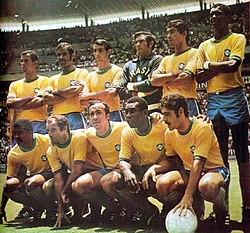
The representative colors of Deportes El Loa were a yellow shirt, blue shorts, and white socks, similar to those of the Brazilian national team, since the team's coach, Roberto Rodriguez, liked the Brazilian national team's football. The team was a member of the Asociación de Fútbol de Calama. That February of this year, the team faced a row of friendly matches in the Estadio Municipal de Calama, against Unión San Felipe, versus Coquimbo Unido, winning both the matchs by one goal to null, a draw between Colo-Colo to two goals tie and versus the Cuban national football team, which was touring Chile, and won 1–0 over the Cubans.
In 1972, the then Deportes El Loa team loaned players from its team to represent Calama in the thirty-fourth Campeonato Nacional de Fútbol Amateur. At the time, it was coached by Roberto Rodríguez and featured players who had played on professional teams, such as Héctor Torres, Jorge Garcés, and Gabriel Cáceres. To celebrate the first aniversary of the Chilean nationalization of copper, Calama offers a tribute at the Estadio Municipal of the city, in that event, Deportes El Loa plays a friendly match against Colo-Colo, losses by 2-5.
In 1974, another entry into the Asociación Central de Fútbol Profesional of Deportes El Loa, chaired by Carlos Seguel, was submitted for the first time. In 1975, the application for entry into professional football was again submitted, but was rejected again, on the grounds that Calama was outside the established limits for professional football. In that year, the player Carlos Rojas, enters the final of Deportes El Loa, coming from Unión Española. This player, who would return to play from the beginning of Cobreloa until 1990, won three national titles in the Primera División and one Copa Chile in 1986. He also had a period as a formative player trainer at the club, being one of the managers of the first sale of the club, Mauricio Donoso. He then had a stint as coach of the club's first team, in the 1997 and 1998 tournament, then in 2000. He then coached again in 2016.
The director board of 'Club Regional Antofagasta' held some talks with the regional Mayor of Region of Antofagasta in order to get Codelco workers to join and give one percent of their salary to the club, but the local government officials rejected the idea. There have also been indications that the club has expressed a desire to undertake the same unification exercise with the professional club Deportes Magallanes, but without success.
On 26 September 1976, the 'Cámara del Comercio', Railroad Unions, merchants and businessmen, sports directors of the 'El Loa' and also the Coronel Fernando Ibáñez, the prefect Francisco Núñez Venegas and the assistant directors of CODELCO, José Gorrini, Renzo Gasparini, Orlando Urbina and Nicolás Tschischow formed a committee called 'Pro Ingreso al Fútbol Rentado' with the purpose of induction 'Deportes El Loa' to professional football in Chile. The director of the hospital of Roy H. Glover, Sergio Stóppel joined this effort. United under the motto 'Ahora o Núnca' ('Now or never'), and was subsequently accepted into 'Segunda División' on 14 October in the same year. In December this initiative counted with the approval of clubs like Regional Antofagasta, Colo-Colo, Naval, Aviación, Huachipato, Coquimbo, Ovalle, Everton, Wanderers and O'higgins.
A work plan was developed prior to entering professional football. This consisted of consultations with top executives in the field, such as city coaches, and in-depth studies of the team. This included a review of the area's sports infrastructure. Commissions traveled across the country to gather useful information prior to the founding of the new team. The objective of all this was to meet the requirements necessary to enter the country's professional football sector. The work plan lasted six months.
| Position | Name |
|---|---|
| President | Francisco Nuñez Venegas |
| Vicepresident | José Gorrini |
| Mario Puente | |
| Secretary | Enrique Escala |
| Treasurer | Carlos Cordero |
| Director | Cesáreo Castillo |
| Andrés Reghezza | |
| Pedro Cortéz | |
| Pedro Bustamente | |
| Omar Olivares | |
| Patricio Reyes | |
| Carlos Císternas | |
| Jaime Valderrama | |
| Segio Barrientos | |
| Héctor Pezoa | |
| Luis Gómez Araya | |
| Sergio Stoppel | |
| Pierre Kerhoff | |
| Jaime Salvatierra | |
| Guillermo Pérez | |
| Delegate to the Asociación Central de Fútbol | Juan Beltrán |
Due the inexperience of the directors of the team on professional football, they decided to sign up Alfonso Fuentes who had previously worked as a manager for Lota Schwager. The directors of the team, José Gorrini and Francisco Núñez, decided to incorporate to team as a section of CODELCO.
Fernando Riera, helped by Carlos Lillio Guerrero y Roberto Rodríguez, was asked to select the players for the team. They presented requirements to Executive Committee of the team to create the first squad with selection of the best players in the El Loa región. For this selection, mining workers who had previous Football experience were used. At the end of the day, the technical staff selected the following players:
| Requeriments Bring to the club the best players on the province between 19 ultil 26 years old with exceptions Set up into the squad a solid group, fullness of friendship and fellowship. Create habits of good manners in and out the Pitch. Create a positive mentality pro to the introduction to professional football. |
| No. | Pos | Nat | Player |
|---|---|---|---|
| — | GK | CHI | Raúl López |
| — | GK | CHI | Manuel Reyes |
| — | DF | CHI | Juan Maldonado |
| — | DF | CHI | Luis Huanca |
| — | DF | CHI | Jorge González |
| — | DF | CHI | Carlos Rojas |
| — | DF | CHI | Guillermo Palacios |
| — | MF | CHI | Armando Alarcón |
| — | MF | CHI | Juan Veas |
| — | MF | CHI | Gabriel Cáceres |
| — | FW | CHI | Héctor Castillo |
| — | FW | CHI | Gustavo Cuello |
| — | FW | CHI | Héctor Bravo |
| — | FW | CHI | Ernesto Áviles |
| — | FW | CHI | Guillermo González |
The selected team would begin regular training at Anaconda Stadium, with the goal of eventually being presented to the Asociación Central de Fútbol Profesional. This was at the request of Nicolás Tschichow, José Gorrini, and Mario Puente.
On 14 October of this year, Eduardo Gordon, president of the Asociación Central de Fútbol Profesional, received the executive committee's letter of introduction, signed by all the entities involved.
In November the team played previous matches before entering professional football, which would enter into the Segunda División championship of their country, their first match in this period was with Regional Antofagasta with a 2-2 goal tie, then facing the Copiapó team, achieving a victory and then against the Vallenar team by 6 goals to 3.
On 7 January 1977, the NCO School of Carabineros of Chile, all directors of Asociación Central de Fútbol and all representatives of Chilean football clubs were reunited at 18.30 P.M. in Calama and Chuquicamata. Through the local Radio, 'Radio El Loa', at 20.15 P.M. the incorporation of 'Deportes El Loa' to the professional football by unanimous 'Primera and Segunda división' clubs approval was officially announced. The other candidates are Deportes Colchagua, Unión San Felipe were also accepted into the professional football of the country.
The governor and the mayor of Calama, called to the citizens to support this new project, end celebrated the event. To celebrate this fact, they chose a new name for the team, rejecting the proposed 'Calama Loa' due to this name not being representative of mining that composes the main economic activity of the region. The name Deportes El Loa, under which the club was presented to the Asociación Central de Fútbol Profesional, was changed at the request of the same board of directors. At a meeting of the club's leaders, the name "Cobreloa" was chosen because the new name included the miner, his family, copper, and El Loa, thus representing all the inhabitants of the province. By this time the club already had a daily membership of 10,625. The exercise of eliminating the legal status of Deportes El Loa and giving rise to Deportes Cobreloa was carried out by Cesáreo Castillo, who was a leader of the Asociación de Fútbol de Calama until 1976 and also a prominent businessman in the city of Calama.
The first head coach of the club was elected in a shortlist between Salvador Nocetti, Pedro Morales, Luis Santibañez, Caopolicán Peña, Isaac Carrasco and Andrés Prieto. Initially, an offer was made to coach Pedro Morales, but he declined, and on his recommendation, the directors ultimately chose Andrés Prieto as the team's head coach for the season and he signs with the club on 15 January 1977.
When he was appointed team manager, Andres Prieto contacted the physical trainer, Gustavo Graef, at that time he was working for the Chilean National football Team, the negotiations were not fruitful because the team had to pay a higher amount than the national team to take him, discarding him. Then there were approaches with the coaches; Sergio Lillo, Armando Aravena, Alejandro Sanchez, however, none was available to address the deal. On Graef's recommendation, they contacted Alejandro Guzmán to be the team's first physical trainer, who ended up accepting the proposal. The technical staff is made up as follows:
| Position | Staff |
|---|---|
| Head Coach | Andrés Prieto |
| Assistant Coaches | Carlos Lillo |
| Raúl Rossi | |
| Víctor Pinochet | |
| Head Fitness Coach | Alejandro Guzmán Valdés |
he choose the first transfers of the first team, been the following.
| Date | Name | Moving from | Fee |
|---|---|---|---|
| January 1977 | Uruguay Luis Garisto | Uruguay Peñarol | Undisclosed |
| Uruguay Julio Correa | Uruguay Huracán Buceo | ||
| Uruguay Baudilio Jáuregui | Uruguay Defensor Sporting | ||
| Chile Juan Olivares | Chile Magallanes | ||
| Chile Francisco Valdés | Chile Santiago Wanderers | ||
| Chile Guillermo Yávar | Chile O'higgins | ||
| Chile Juan Rogelio Núñez | Chile Naval | ||
| Chile Germán Concha | Chile O'higgins | ||
| Chile Manfredo González | Chile Ñublense | ||
| Chile Raúl Gómez | Chile Lota Schwager | ||
| Chile Luis Ahumada | Chile Lota Schwager | ||
| Chile Daniel Díaz | Chile Magallanes | ||
| Chile Elmo Aedo | Chile Unión San Felipe | ||
| Chile Cristián Sasso | Chile Club Social y Deportivo Ovalle | ||
| Chile Sergio Pérez | Chile Ñublense | ||
| Argentina Carlos Pérez | Argentina Gimnasia y Esgrima de Mendoza | ||
| Notes | *Juan Rogelio Núñez was the first professional player hired by the club in its history. *Former clubs register in the magazine, Revista Estadio of 1977. |
The first matches recorded as Deportes Cobreloa were those held on 9 January against the Chiquicamata youth team, with Cobreloa winning by 3 goals to 2 and The historical match of the team on 12 January of this year, against Tocopilla selection team, playing away. The result of the match was victory of the team by 0–1. Their first defeat was recorded on 30 January against Universidad Católica, losing 1–3 with Chuquicamata as the venue.
After the friendly matches in the local area, the team decided to continue their preseason preparations at the Las Vertientes Training Center in Santiago de Chile, where they would initially meet with the squad's foreign signings and the new management team. During this time, they faced teams from the capital, which would help them prepare for their first ever competitive season.
The first official match of the team was on the date 6 February of this year, playing away against 'Regional Antofagasta', on the Estadio 'Regional de Antofagasta' valid for 'Copa Chile', winning by 0–2 with goals of Armando Alarcón on 20' and Juan Rogelio Núñez on 34'.
The team entered the field with the following Line-Up:
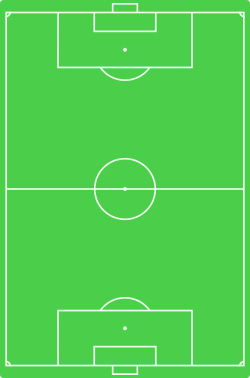
Line-Up:
- Juan Olivares
- Elmo Aedo
- Luis Garisto
- Germán Concha
- Manfredo González
- Armando Alarcón
- Luis Huanca
- Gustavo Cuello
- Juan Rogelio Núñez
- Héctor Castillo
- Guillermo González
- Coach: Andrés Prieto
Substitutions
- Ernesto Avilés
| Regional Antofagasta | 0–2 | Cobreloa |
|---|---|---|
| Armando Alarcón 20' Juan Rogelio Núñez 34' |
On 1977, the club participated in Copa Chile and Segunda División de Chile of this season. In the national cup, the team being part of the group 4 of this, with the teams, Club Social y Deportivo Ovalle, Club de Deportes La Serena, Antofagasta Portuario and Coquimbo unido. The second gameweek on the 12 February, the team went to the La Serena to play against the homonymous team with name of the city, loses the game by 1–0, the third gameweek on the date 26 February, the team plays against Deportivo Ovalle in Calama, being this match the first official in this place for the club, the team won the match by two goals to one.
The team entered the field with the following Line-Up:
Line-Up:
- Carlos Pérez
- Raúl Gómez
- Luis Garisto
- Germán Concha
- Manfredo González
- Armando Alarcón
- Guillermo Yávar
- Gustavo Cuello
- Juan Rogelio Núñez
- Héctor Castillo
- Guillermo González
- Coach: Andrés Prieto
Substitutions
- Ernesto Avilés
| Cobreloa | 2–1 | Ovalle |
|---|---|---|
| Juan Rogelio Núñez 14' Héctor Castillo 75' |
Finished the first row with Coquimbo Unido, won the match, on 2 March, by one goal to two. In the second row of the cup, the team draws with Antofagasta Portuario, by two goals, in Calama, on the date 5 March, the team faced the matchday with Deportes La Serena, losses the match, by one goal, on 9 March. Due difference of goals the team did not classifiqued to the Quarters Finals of the competition, being Deportivo Ovalle the team classifiqued to the next stage.
| Pos | Team | Pld | W | D | L | GF | GA | GD | Pts | Qualification |
|---|---|---|---|---|---|---|---|---|---|---|
| 1 | Club Social y Deportivo Ovalle | 8 | 3 | 4 | 1 | 16 | 11 | +5 | 13 | Advance to Quarters Finals of Copa Chile 1977 |
| 2 | Cobreloa | 8 | 4 | 1 | 3 | 13 | 10 | +3 | 13 | |
| 3 | Deportes La Serena | 8 | 3 | 2 | 3 | 16 | 16 | 0 | 11 | |
| 4 | Antofagasta Portuario | 8 | 3 | 1 | 4 | 18 | 22 | −4 | 10 | |
| 5 | Coquimbo Unido | 8 | 2 | 2 | 4 | 18 | 22 | −4 | 8 |
The following table show the goalscore of the team in this competition:
There were 13 goals scored in 8 matches, for an average of 1.62 goals per match.
4 goals
- Chile national football team Juan Rogelio Nuñez
3 goals
- Chile national football team Héctor Castillo
2 goals
- Chile national football team Cristián Sasso
1 goal
- Chile national football team Armando Alarcón
- Chile national football team Guillermo González
- Chile national football team Guillermo Yávar (Penalty score)
- Chile national football team Gustavo Cuello
Source:
The team had its debut in profesional domestic leagues in the Segunda División de Chile of 1977. Its first match was against the team of San Luis de Quillota, in Calama. The team won that match by 1–0, with goal of Luis Ahumada. On Saturday, 30 April, the Striker Luis Ahumada scored an Hattrick against the team of Deportes Iberia and repeated the action with the team of San Antonio on the sixth gameweek. The first local match whom the team loss was against the team of Coquimbo Unido, the score was of 0–2 for the away team. At the final table the team finished in the fourth position, with 42 points, and 17 wins and a difference of goals of 15. This fact let it participated to the promotion playoffs of the competition, with the teams of Santiago Wanderers and Santiago Morning, teams of the Primera división de Chile of this year and Malleco únido, who finished the Segunda División de Chile tournament in third position. All theses matches were played in the Estadio Nacional of Chile. Finished the Playoffs, the team finish in the second place let it promote to Primera División de Chile to the next year, this due Santiago Morning who finished in first place in this playoff can remains its position in Primera División, relegated the team of Santiago Wanderers to Segunda División of the next year.
On 23 September 1977, the institution registered legally itself like Club de Deportes Cobreloa.
| Pos | Team | Pld | W | D | L | GF | GA | GD | Pts | Qualification |
|---|---|---|---|---|---|---|---|---|---|---|
| 1 | Santiago Morning | 3 | 2 | 1 | 0 | 7 | 3 | +4 | 7 | |
| 2 | Cobreloa | 3 | 1 | 2 | 0 | 5 | 2 | +3 | 5 | Promoted to Primera Division de Chile 1978 |
| 3 | Santiago Wanderers | 3 | 0 | 2 | 1 | 3 | 6 | −3 | 2 | Relegated to Segunda Division de Chile 1978 |
| 4 | Malleco Únido | 3 | 0 | 1 | 2 | 2 | 6 | −4 | 1 |
| Goalkeepers | |||||
|---|---|---|---|---|---|
| No. | Pos | Nat | Player | Age | Goals |
| — | GK | CHI | Juan Olivares | Aged 35 | 0 |
| — | GK | CHI | Daniel Diáz | ||
| — | GK | ARG | Carlos Pérez | ||
| Defenders | |||||
| — | DF | CHI | Raúl Gómez | Aged 24 | 0 |
| — | DF | URU | Baudilio Jáuregui | Aged 31 | 1 |
| — | DF | CHI | Carlos Rojas | Aged 20 | 0 |
| — | DF | CHI | Germán Concha | 1 | |
| — | DF | CHI | Manfredo González | 2 | |
| — | DF | CHI | Cristián Sasso | 3 | |
| — | DF | CHI | Elmo Aedo | 1 | |
| — | DF | CHI | Juan Maldonado | 0 | |
| — | DF | URU | Luis Garisto | Aged 31 | 1 |
| Midfielders | |||||
| — | MF | CHI | Armando Alarcón | Aged 23 | 2 |
| — | MF | CHI | Gustavo Cuello | Aged 32 | 2 |
| — | MF | CHI | Francisco Váldes | Aged 33 | 4 |
| — | MF | CHI | Mario Avilés | 0 | |
| — | MF | CHI | Luis Huanca | ||
| — | MF | CHI | Guillermo Yávar | Aged 33 | 11 |
| — | MF | CHI | Héctor Castillo | 3 | |
| — | MF | CHI | Raúl Toro | 0 | |
| — | MF | CHI | Sergio Pérez | Aged 33 | 2 |
| Forwards | |||||
| — | FW | CHI | Luis Ahumada | Aged 22 | 19 |
| — | FW | URU | Julio Correa | Aged 28 | 5 |
| — | FW | CHI | Guillermo González | 3 | |
| — | FW | CHI | Juan Rogelio Nuñez | Aged 23 | 10 |
| Notes | * The goals in the table are from all professional competitions of the team that season. * The Stadistics are based in the magazine over all 1977 Season. |
| No. | Pos | Nat | Player | Age | Notes |
|---|---|---|---|---|---|
| — | CHI | Pablo Prieto | Aged 17 | International for Chile U-20 to play the 1977 South American U-20 Championship. | |
| — | CHI | Daniel Cortés | The club recruits the player after scouting him at a tournament in Pedro de Valdivia | ||
| — | CHI | Miguel Alegre | The club recruits the player after scouting him at a tournament in Pedro de Valdivia |
Matches of domestic league of 1977
Results by round
| Round | 1 | 2 | 3 | 4 | 5 | 6 | 7 | 8 | 91 | 10 | 11 | 12 | 132 | 14 | 153 | 16 | 17 | 18 | 19 | 20 | 21 | 22 | 23 | 24 | 25 | 26 | 27 | 28 | 29 | 30 | 31 | 32 | 33 | 34 | 35 | 36 | 37 |
|---|---|---|---|---|---|---|---|---|---|---|---|---|---|---|---|---|---|---|---|---|---|---|---|---|---|---|---|---|---|---|---|---|---|---|---|---|---|
| Ground | H | A | H | A | H | H | A | H | H | H | A | H | A | H | A | H | A | A | A | H | A | H | A | H | A | A | H | A | H | A | H | A | H | A | H | A | H |
| Result | W | L | W | W | D | W | L | D | P | W | D | W | P | W | P | W | L | D | D | W | L | W | L | W | W | W | W | L | W | D | L | L | D | L | W | W | D |
| Position | 4 | 8 | 4 | 5 | 4 | 4 | 4 | 5 | 6 | 3 | 5 | 4 | 5 | 4 | 4 | 2 | 2 | 4 | 4 | 4 | 3 | 2 | 2 | 2 | 2 | 2 | 1 | 1 | 1 | 1 | 2 | 3 | 3 | 5 | 3 | 3 | 4 |
| Points4 | 2 | 2 | 4 | 6 | 7 | 9 | 9 | 10 | 10 | 12 | 13 | 15 | 15 | 17 | 17 | 19 | 19 | 20 | 21 | 21 | 23 | 25 | 25 | 27 | 29 | 31 | 33 | 33 | 35 | 36 | 36 | 36 | 37 | 37 | 39 | 41 | 42 |
1 Matchday 9 (vs Ferroviarios) was postponed to 25 August. 2 Matchday 13 (vs Malleco Unido) was postponed to 16 August. 3 Matchday 15 (vs Independiente Cauquenes) was postponed to 21 August. 4 To this League competition the victories add 2 points to the stadistcs.
| April 1977 1 | Cobreloa | 1–0 | San Luis | Calama, Chile |
| Luis Ahumada | Stadium: Estadio Municipal de Calama |
| April 1977 2 | Deportes La Serena | 3-1 | Cobreloa | La Serena, Chile |
| Ermindo Onega (2 goals) Hugo Hernán Itér | Sergio Pérez | Stadium: Estadio La Portada |
| 30 April 1977 3 | Cobreloa | 3-0 | Iberia | Calama, Chile |
| Luis Ahumada (3 goals) | Stadium: Estadio Municipal de Calama |
| 8 May 1977 4 | Curicó Unido | 0-1 | Cobreloa | Curicó, Chile |
| Juan Rogelio Nuñez | Stadium: Fiscal La Granja |
| 15 May 1977 5 | Cobreloa | 0–0 | Colchagua | Calama, Chile |
| Stadium: Estadio Municipal de Calama |
| 22 May 1977 6 | Cobreloa | 4-0 | San Antonio | Calama, Chile |
| Julio Correa Luis Ahumada (3 goals) | Stadium: Estadio Municipal de Calama |
| 29 May 1977 7 | Naval | 3-1 | Cobreloa | Talcahuano, Chile |
| Ricardo Flores José Lara Gaete | Germán Concha | Stadium: Estadio El Morro |
| 5 June 1977 8 | Cobreloa | v | Unión San Felipe | Calama, Chile |
| Luis Ahumada | 1-1 | Polo | Stadium: Estadio Municipal de Calama |
| 25 August 1977 9 | Cobreloa | 2-0 | Ferroviarios | Calama, Chile |
| Julio Correa Guillermo Yávar (Penalty) | Stadium: Estadio Municipal de Calama |
| 19 June 1977 10 | Cobreloa | 2-0 | Unión La Calera | Calama, Chile |
| Guillermo González Luis Ahumada | Stadium: Estadio Municipal de Calama |
| 26 June 1977 11 | Coquimbo Unido | 0-0 | Cobreloa | Coquimbo, Chile |
| Stadium: Estadio Francisco Sánchez Rumoroso |
| 3 July 1977 12 | Cobreloa | 4-1 | Rangers | Calama, Chile |
| Guillermo Yávar Luis Ahumada (2 goals) Mamfredo González | Luis Fontora | Stadium: Estadio Municipal de Calama Attendance: 9.000 |
| 16 August 1977 13 | Malleco Unido | 1-1 | Cobreloa | Ángol, Chile |
| Diaz | Sergio Pérez |
| 17 July 1977 14 | Cobreloa | 1-0 | Deportes Linares | Calama, Chile |
| Cristián Sasso | Stadium: Estadio Municipal de Calama |
| 21 August 1977 15 | Independiente Cauquenes | 2-2 | Cobreloa | Cauquenes, Chile |
| Romero Hugo Cárdenas | Sergio Pérez Luis Ahumada | Stadium: Estadio Municipal de Cauquenes |
| 21 July 1977 16 | Cobreloa | 2-0 | Trasandino | Calama, Chile |
| Guillermo Yávar Luis Ahumada | Stadium: Estadio Municipal de Calama |
| 6 August 1977 17 | Magallanes | 3-2 | Cobreloa | Santiago, Chile |
| Juan Lataste Manuel Baeza Tejo (Penalty) | Guillermo Yávar (2 goals) | Stadium: Estadio El Bosque |
| 28 August 1977 18 | San Luis | 3-2 | Cobreloa | Quillota, Chile |
| - | Nuñez Rubén Rivera Óscar Villaroel | Guillermo Yávar (Penalty) Sergio Pérez |
| 4 September 1977 19 | Cobreloa | 1-0 | Deportes La Serena | Calama, Chile |
| Baudilio Jáuregui | Stadium: Estadio Municipal de Calama |
| 11 September 1977 20 | Iberia | 1-0 | Cobreloa | Los Ángeles, Chile |
| Benjamín Muñoz | Stadium: Municipal de Los Ángeles |
| 17 September 1977 21 | Cobreloa | 4-2 | Curicó Unido | Calama, Chile |
| Juan Rogelio Nuñez Gustavo Cuello Luis Ahumada Guillermo González | Sánchez López | Stadium: Estadio Municipal de Calama |
| 25 September 1977 22 | Colchagua | 0-1 | Cobreloa | Colchagua, Chile |
| Elmo Aedo |
| 2 October 1977 23 | San Antonio | 0-2 | Cobreloa | San Antonio, Chile |
| Julio Correa Luis Ahumada |
| 9 October 1977 24 | Cobreloa | 4-1 | Naval | Calama, Chile |
| Manfredo González Julio Correa Guillermo Yávar (2 goals) (1 of penalty) | Juan Valdivia | Stadium: Estadio Municipal de Calama |
| 16 October 1977 25 | Unión San Felipe | 2-0 | Cobreloa | San Felipe, Chile |
| Negrete Hugo Ubeda | Attendance: 4,751 |
| 23 October 1977 26 | Cobreloa | 2-0 | Ferroviarios | Calama, Chile |
| Francisco Valdés Juan Rogelio Nuñez | Stadium: Estadio Municipal de Calama |
| 30 October 1977 27 | Unión La Calera | 1-1 | Cobreloa | La Calera, Chile |
| Claudio Mena | Francisco Valdés |
| 5 November 1977 28 | Cobreloa | 0-2 | Coquimbo Unido | Calama, Chile |
| Claudio Gallegos Heriberto Rojas | Stadium: Estadio Municipal de Calama |
| 13 November 1977 29 | Rangers | 2-1 | Cobreloa | Talca, Chile |
| Luis Fontora Gabino Román | Francisco Valdés | Stadium: Estadio Fiscal de Talca |
| 20 November 1977 30 | Cobreloa | 1-1 | Malleco Unido | Calama, Chile |
| Guillermo Yávar | José Burgos | Stadium: Estadio Municipal de Calama |
| 27 November 1977 31 | Deportes Linares | 1-0 | Cobreloa | Linares, Chile |
| Patricio Bonhomme |
| 3 December 1977 32 | Cobreloa | 4-0 | Independiente Cauquenes | Calama, Chile |
| Armando Alarcón Guillermo Yávar Luis Garisto Luis Ahumada | Stadium: Estadio Municipal de Calama |
| 11 December 1977 33 | Trasandino | 0-3 | Cobreloa | Los Ándes, Chile |
| Juan Rogelio Nuñez Guillermo Yávar (Penalty) Luis Ahumada |
| 18 December 1977 34 | Cobreloa | 0-0 | Magallanes | Calama, Chile |
| Stadium: Estadio Municipal de Calama |
The club was able to establish itself in Chile's top flight very quickly, earning promotion after its first season, where they stayed until the 2014–2015 season. Only four years after their foundation, Cobreloa reached the finals of the Copa Libertadores in 1981, losing in a third match to Brazilian club Flamengo. Cobreloa reached the Copa Libertadores final the following year, losing to Peñarol of Uruguay. The club also reached the semi-final of the Copa Libertadores in 1987.
They have competed in the Copa Libertadores de América 13 times, 3 times in the Copa Sudamericana and twice in the Copa CONMEBOL. In 1995 they reached the quarter-finals and the following year were eliminated in the first round. Cobreloa have 8 Primera División titles and 1 Copa Chile title making them the most successful side outside Santiago in Chile and one of the four biggest clubs of the country.
Domestic League record
Domestic League Chart with each tier division who the team has participated since 1977.
Notes
- In 1977, the team go to primera división de Chile.
- In 2015, the team was relegated to Primera B de Chile.
- In 2023, it is promoted to Chile's first Division.
- In 2024, it descends to the first B in Chile, being the second in its history
Noche / Tarde Naranja
The Noche Naranja or Tarde Naranja is the club’s annual official presentation event, where the first team squad, coaching staff, and the new kit are unveiled to the fans at the Zorros del Desierto Stadium. It usually features a preseason friendly against domestic opposition, marking the start of the football season.
Results
| Ed. | Year | Home team | Scores | Away team | Venue |
|---|---|---|---|---|---|
| - | 2011 | Chile Cobreloa | 0–0 | Chile Deportes Iquique | Municipal de Calama |
| - | 2012 | Chile Cobreloa | 0–2 | Peru Alianza Lima (1) | Municipal de Calama |
| - | 2013 | Chile Cobreloa | 2–1 | Chile Deportes Antofagasta | Zorros del Desierto |
| - | 2016 | Chile Cobreloa | 1–1 | Chile Deportes Iquique | Zorros del Desierto |
| - | 2017 | Chile Cobreloa | 3–1 | Chile Deportes Iquique | Zorros del Desierto |
| - | 2018 | Chile Cobreloa | 3–1 | Chile Deportes Copiapó | Zorros del Desierto |
| - | 2019 | Chile Cobreloa | 1–0 | Chile Universidad de Chile | Zorros del Desierto |
| – | 2020 | No match | |||
| – | 2021 | Canceled due to the COVID-19 pandemic | |||
| – | 2022 | ||||
| - | 2023 | Chile Cobreloa | 0–0 | Chile Deportes Antofagasta | Zorros del Desierto |
| - | 2024 | Chile Cobreloa | 2–1 | Chile Deportes Iquique | Zorros del Desierto |
| - | 2025 | Chile Cobreloa | 2–1 | Chile Deportes Antofagasta | Zorros del Desierto |
| – | 2026 | No match |
Support

In 2019 to get a membership of the club can be by the assistant to the headquarters of the club in Calama in Abaroa street N°1757 or through the online platform in the official website of the institution with previous registration. The necessary documents to get a membership are passport or ID Card and a photo.
The oldest oficial member of the club, is Rodolfo Yáñez Rojas, who is member since the foundation of the institution.
The first official supporters group was created in 1977, called Barra Oficial de Cobreloa by the workers from the El Loa province; Orlando Navarro, Mario Paniagua and José Santos Rodriguez and the support of the club directors.
In 1982, 35 CODELCO workers established the supporters group, Barra Chuquicamata. On this decade was created de group of supporters Mario Soto, tribute to Defense of the club, who dressed the club colors until 1985. They were characterized because they support with musical instruments.
In 1994 was created the supported group, Huracan Naranja, from the Santiago de Chile fans group Vicente Cantatore.
A poll called, Encuesta GFK Adimark, study who is the most popular team on Chile. Cobreloa in 2015 reached the most high value on the poll, with a 1,5% of the total of the population polled. And in the 2018 the lowest value with 0,9%. In both polls the team was the 5th most popular club in country. In Región de Antofagasta the team reach since 2015 until 2019 the 12,752% of preference of the population.
| Year | Antogagasta | Arica y Parinacota | Tarapacá | Coquimbo | Valparaíso | Metropolitana | Maule | Bío Bío | Los Lagos | Araucanía | Aisen | Source |
|---|---|---|---|---|---|---|---|---|---|---|---|---|
| 2015 | 14 | 0 | 0 | 0 | 0 | 0 | 0 | 0 | 0 | 0 | 0 | |
| 2016 | 31 | 4 | 2 | 7 | 6 | 12 | 2 | 13 | 2 | 0 | 0 | |
| 2017 | 37 | 0 | 10 | 0 | 0 | 2 | 0 | 0 | 0 | 8 | 2 | |
| 2018 | 14 | 0 | 0 | 0 | 0 | 0 | 0 | 0 | 0 | 4 | 0 | |
| 2019 | 37 | 0 | 0 | 0 | 0 | 0 | 0 | 0 | 0 | 0 | 0 | |
| The data has been collected according to the percentages by region shown in each survey translated in person surveyed. |
The Cobreloa supporters, specifically the CODELCO workers, are known for having donated a day of their salary to contribute to pay the signing pass of the defender Mario Soto.
Colours, badge and symbols

The first badge was created by Enrique Escala, The original badge was inspired in the logotype of the Chilean Company who administered the first years of the club, Corporation del Cobre, which in turn take the inspiration in the planetary symbol of venus, whom metal represent the copper, the main recourse from El Loa to the country. Over the CODELCO logotype specifically a sphere, who in the institution badge is replaced by a traditional football ball with yellow and black casings, and the name of the club in the horizontal line of the badge in an orange color.
Through the years the badge has had some modifications: from 1995 to 2000, the badge was changed to entirely orange with the letters of the name of the club in white; from 2000 to 2005, a ribbon with "Cobreloa" was added over the upper part of the badge, and, to the lower part, "Calama" was added, referring to the homeground of the team, as well as a white outline around the badge, with the color of this badge being more of a dark orange; from 2005 to 2012, the white outline was replaced by a black one, and the upper ribbon was united with the main body of the badge; from 2012 to 2013, the design was 'simplified' and the football on the badge was bigger, touching the borders of the inner body, and the orange color was brighter; and from 2013 to the present eight stars were added to represent the eight national titles won by the club, with the football being centred inside.

The traditional color of Cobreloa is orange, according to president, José Gorrini, the color of the club was selected due to give tribute to Netherlands National Football Team, in the 70's this selection was very popular by players like Johan Cruyff. Also, by commercial reasons this color was selected due obtain travel discounts in the national airline, Ladeco (Línea aérea del Cobre), whose corporative color was orange. The idea for this was thanks to engineer of CODELCO Chuquicamata, Peter Kiefkoff, who accepted the task of managing the club's finances, on the condition that the club would wear the colors of his native country's team.

The first Cobreloa kit was red shirt and white shorts, due to lack of clothing, improvised in February 1977 for Copa Chile, facing Regional Antofagasta. In 2024, this jersey was released in a limited commercial edition to commemorate the club's first kit. Since 1977 the classical kit of the team is full orange, with some modifications, like 1992–93 season with white shorts, in 2009–10 the official kit was change with white socks. The away kit has been mostly full white, until 2001–2006 year it changed by color black, also in 2013–15 and 2017–18 seasons alternating with white color during those years.
The first brand who was clothing the team was Chilean Sport brand 'Haddad', located in Santiago de Chile, due the international brands was not interested in clothing the team, aside the calama brands who was interested. However, there was a moment who the team directors was decided to change the atire to the Chilean brand, 'Kotting'. Finally 'Haddad' was the first brand to dress to team, who was participated on Segunda División.
In 1978, the team participated on Primera División de Chile, hence the team change of sport brand, to the Mario Soto sports brand, called 'MyS'. Part of the player contract. In 1981, the team changed the sport brand to the Chilean brand 'New Lider' to participate in its first international competition, while 'MyS' continued to give the training clothes until 1981.
In 1982, the club sings with the Germany sport brand, Adidas, presented in the final of Copa Libertadores of this year, versus Peñarol of Uruguay.
The first commemorative shirt of the club was in 2007, with Spanish sportswear company, Kelme. That attire was a special logo on them. In December 2016, the sportswear company, Macron, announced for sale a commemorative shirt to celebrate 40 years of the club; the design was similar to the 1980s kits style.
On 4 February 2019, was shown its first third kit in Cobreloa, being the black the color that was elected due to the popular choice of the club fans.
| Y en los triunfos y derrotas, gladiador tu frente noble mostradas con tu hinchada gran devota, donde jueges por amor te seguirá, por el cobre y su gran mineral. Part of the First Hymn of Cobreloa Alejandro Álvarez Vargas. |
The first anthem of the club was written and composed by the musician and writer, Alejandro Álvarez Vargas—the winning contestant from a contest advertised through the local radio station
One of the most important aspects of the team's idiosyncrasy is the siren that sounds when the team begins to execute an attacking play in the opponent's area. Librarian Fabiana Rosales attributes this idea to the idea of a CODELCO worker known as Negro Pinto and his coworkers. She says they boldly took over the stadium's northwest lighting tower to install a siren with an 80-meter cable, connecting it to a push-button panel under the seat. This would function as a sort of "goal alarm." The sound was identical to the one they heard when an overhead crane was put into motion or the concentrator at the Chuquicamata mine was started up.
The club's first mascot was inspired by the events of a Chuquicamata resident named Gerónimo Dominguez, who met the club at age 12. During the team's development into professional football, his brother-in-law, while doing his military service in Conchi, found a fox cub, which he took to Calama and ended up giving to Dominguez, who decided to raise it as a domestic dog. One day they decided to take it to the stadium. The squad liked it, and a relationship was formed between Gerónimo, the fox, and the team, who decided to make it their mascot. The fox's first appearance as such was during a match against Santiago Morning, around 8:00 p.m., entering the stadium with it and parading it around the field. The second time, it came dressed in a salmon-colored baby suit. Gerónimo performed this performance throughout the season. Due to the animal's natural behavior, eating livestock and causing problems for not being domesticated, the family decided to set it free. The fox, trying to return to the family home, was struck by a vehicle and killed.
This incident caused a stir in the community, and a cartoon fox named "Loíto" was designed, the brainchild of journalist Alfredo Llewellyn Bustos. The mascot was designed by director René Vásquez Rodríguez. The mascot first appeared in a club brochure for membership recruitment and also in the local newspaper "El Mercurio de Calama" in 1977, to follow the team's weekly activities.
| Traditional color of the team | 1992–93 years | 2009 kit |
Kit suppliers and shirt sponsors

| Period | Kit supplier | Shirt main sponsor | Notes |
|---|---|---|---|
| 1977 | Haddad and Kotting | None | This were the first Sporting brand on dress the institution. |
| 1978-1980 | MyS' | This Chilean brand was founded by Mario Soto, who was player of the club. As part of his contract this brand must dress the team. | |
| 1981 | New Lider | Due the contract with Mario Soto continued, the institution signed with a new brand, but the training clothes was Still MyS' brand. | |
| 1982 | Adidas | Was the first international brand on dress the club. | |
| 1983 -1985 | Isapre Chuquicamata | ||
| 1986 | Penalty | TECSA | This was the first company not directly linked to CODELCO to sponsor the team. |
| 1987 | Isapre Chuquicamata | ||
| 1988–1991 | Adidas | None | |
| 1992 | Reusch | Isapre Chuquicamata | |
| 1993–1994 | Adidas | Cristal | |
| 1995 | Uhlsports | ||
| 1996–1997 | Puma | ||
| 1998 | Le Coq Sportif | ||
| 1999 | Kelme | ||
| 2000–2001 | Adidas | In 2000, the first third kit of the team, with black colors was added. | |
| 2002 | Adidas | Sky | |
| 2003–2004 | Adidas | Turbus | |
| 2005 | Diadora | Pullman Bus | |
| 2006 | None | ||
| 2007 | Kelme | Lider Presto | First Commemorative kit to celebrate 30 years of the club. |
| 2008 | Garcis | Hino | |
| 2008 | Lotto | ||
| 2009 | Nissan | ||
| 2010 | Mitre | Pal Airlines | |
| 2011 | Finning CAT | ||
| 2012–2015 | Lotto | ||
| 2015–2021 | Macron | In 2017, the 40-year commemorative shirt in special format was made available for sale. | |
| 2022–2024 | KS7 | In 2023, the 46-year commenorative shirt, was made abadible for sale. In 2023, the company will produce a special jersey in purple, black, and white, alluding to the bluish mineral extracted in mining. In 2024, the company will produce a special jersey in shades of gold and black. In 2024, the company will make a pink and white jersey commemorating Breast Cancer Awareness Month. | |
| 2025 | Siker | SOBEK Ingenieros | * The company created a special 2024 jersey, commemorating the first jersey the team wore in its debut season as a professional. |
| 2026 | Minera El Abra | * The company created a special 2026 jersey. | |
| Notes | Main Reference |
Kit deals
| Kit supplier | Period | Contract announcement | Contract duration | Notes |
|---|---|---|---|---|
| Macron | 2015–2018 | 15 January 2015 | June 2015 – August 2018 (3 years) | |
| 2018–2021 | 10 August 2018 | August 2018 – January 2021 (2,5 years) | ||
| KS7 | 2021–2023 | 17 December 2021 | December 2021 – November 2023 (2 years) | |
| 2023–2024 | 17 November 2023 | 17 November 2023 – 29 November 2024 (1 year) | The club put ends to this contract. | |
| Siker | 2024-2025 | 29 November 2024 | November 2024 – 2025 (1 year) | The club purpose one year of contract with the clothing company. |
Stadiums
Since 1977 the first home ground of the club was the Estadio Municipal de Calama, who played the national league and internationals Cups matches until 27 January 2013. The last match that was played by the team in this stadium was against Colo-Colo, the team won 5–2.
For the two finals of Copa Libertadores the team played in the Estadio Nacional de Chile, in 1981 and 1982, against Clube de Regatas do Flamengo and Club Atletico Peñarol respectively.
In February 2013 due to the renovation of the Stadium, the team had to play in another's home ground, the first stadium at which it was elected to play was the Parque Estadio Juan López located in Antofagasta. For the first class matches the stadium elected was the Tierra de Campeones on Iquique, where Club de Deportes Universidad Católica plays.
The complaints of the team about the infrastructure of the stadium Juan López, the directing of the club made negotiations with the Municipality of Antofagasta to play in the Stadium Calvo y Bascuñan, in this homeground the team played the Copa Sudamericana matches, with Club Atletico Peñarol and Club Deportivo La Equidad and local first Class matches of the Local League for the rest of the year.
From June of this year, the main stadium at which the team played mostly the national league, in the recently inaugurated stadium Estadio Luis Becerra Constanzo, formerly called Estadio la Madriguera de Calama in Calama, the team inaugurated the home ground in a Copa Chile match against Club de Deportes Cobresal.[citation needed]
Since 2015, the team plays in the stadium Zorros del Desierto of Calama. The first match was against Club de Deportes Antofagasta. The team plays the local competitions like the Primera B de Chile and Copa Chile.[citation needed]
Honours

National
- Primera División Winners (8): 1980, 1982, 1985, 1988, 1992, 2003-A, 2003-C, 2004-C
- Copa Chile Winners (1): 1986
- Primera B de Chile Winners (1): 2023
International
- Copa Libertadores de América Runners-up (2): 1981, 1982
Records
Hector Puebla holds the most appearances with the club with 663 and holds the most appearances in domestics leagues with 457, on 16 years in the team (1980–1996), also, is the player with most titles with the club with 5 domestic leagues (1980, 1982, 1985, 1988, 1992) and the 1986 national Cup.
Juan Covarrubias is the all-time goalscorer for the team, with 147, and the top goalscorer in domestics leagues with 105 goals. He won with the team the domestics titles in 1988 and 1992.
The higher transfer fee on Chile was Eduardo Vargas transfer to the Universidad de Chile, for US$1.365 million.
This institution owns the fifth local unbeaten streak of the world, which extended from 22 December 1980 until 22 September 1985, with a total of 91 matches without loss in Calama for domestic matches.
- Club records Largest victory: 10–0 (v. O'Higgins in the Copa Chile, 1979) Largest Primera División victory: 9–0 (v. Regional Atacama in 1983) Heaviest Primera División defeat: 1–6 (v. Huachipato in 1998)
- Individual records Most league goals in a single season: 42 (Patricio Galaz in 2004) Most league goals in total: 104 (Juan Covarrubias) Most goals in total: 144 (Juan Covarrubias) Most Primera División appearances: 446 (Héctor Puebla from 1980 to 1996) Most appearances in total: 662 (Héctor Puebla from 1980 to 1996)
Primera División top scorers
| Year | Player | Goals |
|---|---|---|
| 1982 | Jorge Luis Siviero | 18 |
| 1983 | Washington Olivera | 29 |
| 1993 | Marco Antonio Figueroa | 18 |
| Apertura 2004 | Patricio Galaz | 23 |
| Clausura 2004 | Patricio Galaz | 19 |
Copa Chile top scorers
| Year | Player | Goals |
|---|---|---|
| 1982 | Jorge Luis Siviero | 8 |
| 1986 | Juan Carlos Letelier | 11 |
| 1990 | Adrián Czornomaz | 13 |
| 1994 | Alejandro Glaría | 12 |
Players
Current squad

Current squad of Cobreloa as of 1 March 2026 (edit) Sources:
Manager: César Bravo
2026 Summer transfers
In
Note: Flags indicate national team as defined under FIFA eligibility rules; some limited exceptions apply. Players may hold more than one non-FIFA nationality.
| No. | Pos. | Nation | Player |
|---|---|---|---|
| No. Pos. Nation Player -- MF CHI Jorge Gatica (from Santiago Wanderers) -- MF CHI Tomás Aránguiz (from Deportes Magallanes) -- DF CHI Bastián San Juan (from Rangers de Talca) -- DF CHI Felipe Fritz (Deportes Limache) -- MF ARG Facundo Velazco (from San Marcos de Arica) -- GK CHI Diego Tapia (from Ñublense) -- FW ARG Matías Sandoval (from Rangers de Talca) -- DF CHI Diego Garcia (Everton de Viña del Mar) -- FW CHI Vicente Conelli (from Huachipato FC) -- FW ARG Cristian Insaurralde (Return of loan from Unión Española) | |||
| -- | MF | CHI | Jorge Gatica (from Santiago Wanderers) |
| -- | MF | CHI | Tomás Aránguiz (from Deportes Magallanes) |
| -- | DF | CHI | Bastián San Juan (from Rangers de Talca) |
| -- | DF | CHI | Felipe Fritz (Deportes Limache) |
| -- | MF | ARG | Facundo Velazco (from San Marcos de Arica) |
| -- | GK | CHI | Diego Tapia (from Ñublense) |
| -- | FW | ARG | Matías Sandoval (from Rangers de Talca) |
| -- | DF | CHI | Diego Garcia (Everton de Viña del Mar) |
| -- | FW | CHI | Vicente Conelli (from Huachipato FC) |
| -- | FW | ARG | Cristian Insaurralde (Return of loan from Unión Española) |
Out
Note: Flags indicate national team as defined under FIFA eligibility rules; some limited exceptions apply. Players may hold more than one non-FIFA nationality.
Managerial and technical staff
As of 26 April 2026
| Head coach | Chile César Bravo Castillo |
| Assistant coaches | Chile Víctor González Cortés |
| Chile Juan Pablo Toro Jara | |
| Goalkeeping coach | Chile Gonzalo Martínez |
| Head of fitness | Chile Rodrigo Melgarejo |
| Medics | Chile Sergio Silva Oporto |
| Chile Carlos Dolezal Lorca | |
| Kiniesiologists | Chile Santiago Rojas Sextón |
| Chile Hugo Chacón Castillo | |
| Paramedic | Chile Juan Herrera Araya |
| Utilities | Chile Gonzalo Calderón Calderón |
| Chile Dilan Muñoz | |
| Audiovisual Analyst | Chile Luis Valero |
Source:
Management
The club is managed by Sociedad Anonima Deportiva Profesional (Professional Sports Corporation) format in Chile, through the Chilean law, N° 20.019 relativa a las Organizaciones Deportivas Profesionales (Related to Professional Sports Organizations). This law allows to organize, produce, marketing and participate in professional sports activities in the country.
On 2 October 2017, the club made an extraordinary assembly with the members of the club, the assistance of these with suffrage right was of 86. The purpose was to reform the statute regime of the club in that moment. This renewed statutes lay down the official address of the club, Calama, the indefinite length time of the directory and the unlimited number of member who could be owns.
This statute alludes the principles and objectives of the institution, the rights and duties of the members, the heritage and the administration, the members general assemblies, the directory, the duties of the directors of the corporation, subsidiaries of the club and the rules of this.
Board of directors
| Office | Name |
|---|---|
| President | Harry Robledo Cortés |
| Vice president | Ignacio Mehech Castallón |
| Secretary | Wladimir Tito Trigo |
| Treasurer | César Jiménez Molina |
| Director | Claudio Paredes Trigo |
| Director | Chariff Moreno Fajardín |
| Director | Alejandra Ramos Rojo |
| Director | Willian Selti Carrasco |
Source:
Organizational Chart
Strategic Level
| Directors President | |||||||||||||||||||||||||
| Vice-President | |||||||||||||||||||||||||
| Finance Committee | Youth Academies | Woman division | Football Commission | Comunications area | Media Relations |
Operational and tactic Level
| General Manager | |||||||||||||||||||||||||||||||||
| Administration and finance | Accountancy | Sporting Director | Marketing Director | Operations and Logistics | |||||||||||||||||||||||||||||
| Accountant | Accounting assistant | Coordinators | Operations | Operational Command | Sport Complex | ||||||||||||||||||||||||||||
| stocktaking | Coordinators | ||||||||||||||||||||||||||||||||
| Human resources | |||||||||||||||||||||||||||||||||
| Butget | Managment Staff of first team | Managment Staff of Women team | Managment Staff of Youth Teams | ||||||||||||||||||||||||||||||
| 'Socios' and suscribers | |||||||||||||||||||||||||||||||||
| Commercial Unit | Press | Digital Marketing | Partnership and Campaings | ||||||||||||||||||||||||||||||
Administration
| Office | Name |
|---|---|
| Directors President | Harry Robledo Cortés |
| Sports Director | Mauricio Pozo Quinteros |
Coaches
Interim coaches appear in italics.
- Chile Andrés Prieto (1977–1979)
- Argentina Chile Vicente Cantatore (1980–1984)
- Chile Jorge Toro (1985)
- Uruguay Jorge Luis Siviero (1986–1988)
- Chile Miguel Hermosilla (1988–1989)
- Chile Gustavo Cuello (1989)
- Chile Andrés Prieto (1989–1990)
- Argentina Chile Fernando Cavallieri (1991–1992)
- Chile Mario Osbén (1992)
- Chile José Sulantay (1992–1993)
- Chile Jorge Garcés (1994–1995)
- Chile Miguel Hermosilla (1995–1996)
- Chile Carlos Rojas (1997–1998)
- Chile Mario Herrera (1998)
- Chile Arturo Salah (1999–2000)
- Chile Carlos Rojas (2000)
- Argentina Oscar Malbernat (2000–2001)
- Chile Víctor Merello[es] (2001–2002)
- Uruguay Chile Nelson Acosta (2002–2003)
- Chile Gilberto Reyes (2003)
- Chile Eduardo Fournier (2003)
- Uruguay Luis Garisto (2003)
- Chile Fernando Díaz (2004)
- Chile Miguel Hermosilla (2004)
- Uruguay Chile Nelson Acosta (2004–2005)
- Chile Jorge Socías (2005)
- Chile Eduardo Fournier (2005)
- Chile Miguel Hermosilla (2005)
- Chile Jorge Aravena (2006)
- Chile Gustavo Huerta (2007)
- Paraguay Gustavo Benítez (2008)
- Chile Rubén Vallejos (2008)
- Chile Marco Antonio Figueroa (2008)
- Argentina Spain Marcelo Trobbiani (2009)
- Chile Rubén Vallejos (2009)
- Chile Germán Cornejo (2009)
- Chile Raúl Toro (2009–2010)
- Chile Germán Cornejo (2010)
- Chile Mario Soto (2010)
- Uruguay Chile Nelson Acosta (2011–2012)
- Chile Roberto Spicto (2012)
- Argentina Javier Torrente (2012)
- Chile Marco Antonio Figueroa (2013)
- Chile Jorge García (2013–2014)
- Chile César Bravo (2014)
- Argentina Spain Marcelo Trobbiani (2014)
- Argentina Pablo Trobbiani (2014)
- Chile Fernando Vergara (2014)
- Chile Marco Antonio Figueroa (2015)
- Argentina César Vigevani (2015–2016)
- Chile César Bravo (2016)
- Chile Carlos Rojas (2016)
- Chile César Bravo (2016)
- Chile Rodrigo Meléndez (2016)
- Chile José Sulantay (2017)
- Chile Rodrigo Pérez (2018)
- Chile Rodrigo Meléndez (2018)
- Chile Víctor Rivero (2019)
- Chile Marco Antonio Figueroa (2020)
- Chile Nelson Soto (2020–2021)
- Chile Rodrigo Meléndez (2021)
- Argentina Héctor Almandoz (2021)
- Chile Emiliano Astorga (2022–2024)
- Chile Nelson Soto (2024)
- Argentina Dalcio Giovagnoli (2024)
- Chile César Bravo (2024-Act.)
Presidents
Cobreloa presidents from 1977 to present:
- Francisco Núñez Venegas (1977)
- Esteban Ibáñez (1978)
- José Gorrini Sanguinetti (1978)
- Sergio Stoppel García (1978–1982)
- Luis Gómez Araya (1983–1987)
- Sergio Stoppel García (1987–1988)
- Pedro Cortés Navia (1989–1991)
- Luís Urrutia Concha (1991–1992)
- Orlando Álvarez Campos (1992–1993)
- Sergio Jarpa Gibert (1993–1998)
- Pedro Pablo Latorre Muñoz (1998–1999)
- Heriberto Pinto García (1999–2003)
- Gerardo Mella Fernández (2003–2006)
- Augusto González Aguirre (2006–2007)
- Juan Jorge Jorge (2007–2010)
- Javier Maureira Alfaro (2010–2012)
- Mario Herrera Pinto (2012–2014)
- Jorge Pereira (2014)
- Augusto González Aguirre (2014–2015)
- Gerardo Mella Fernández (2015–2017)
- Walter Aguilera (2017–2021)
- Duncan Araya (2021)
- Luís Vera (2021)
- Fernando Ramírez (2022–2023)
- Marcelo Pérez García (2023–2024)
- Harry Robledo Cortés (2024-Act.)
Notes
Citations
Sources
Books
- (in Spanish) Libro Oficial Cobreloa Un Impacto en el Desierto (2007), Carlos Gómez/Cedep, Chile
- [Chilean Sport History: Between the pasion and the ilusion] (PDF) (in Spanish). Chile: Comisión Bicentenario Presidencia de la República. June 2007. ISBN 978-9-56-780865-6.
- Gatica Wiermann, Héctor (May 2019). [Almanac of Chilean Football. Clubs] (in Spanish). Chile: Hueders. ISBN 978-956-365-170-6.
- Beraud Zurita, Jorge (2006). Cobreloa Equipo de hombres [Cobreloa, a men's team] (in Spanish). Chile. ISBN 956-8142-45-2.
{{cite book}}: CS1 maint: location missing publisher (link)
- Flores Reyes, Paulo (2018). Datos Naranjas Historias y Anécdotas de Cobreloa [The Oranges data Histories and Anecdotes of Cobreloa] (in Spanish). Chile. ISBN 978-956-9496-22-6.
{{cite book}}: CS1 maint: location missing publisher (link)
Magazines
- Avila, Homero (1962). "Con todos los honores" [With all honors]. Revista Estadio (in Spanish). Chile: Editorial Zig-Zag.
- Martinez, Julio (1977). [Regarding the promotion]. Revista Estadio N° 1,745 (in Spanish). Chile: Editorial Zig-Zag.
- Salviat, Julio (1977). [Cobreloa: Dreams of 'benjamin']. Revista Estadio N° 1,767 (in Spanish). Chile: Editorial Zig-Zag.
- [Cobreloa: Say to us]. Revista Estadio N° 1,782 (in Spanish). Chile: Editorial Zig-Zag. 1977.
- Escarate, Orlando (1977). [Chile, or the illusion of youth football players]. Revista Estadio N° 1,757 (in Spanish). Chile: Editorial Zig-Zag. p. 28.
- Flores, Alfonso (1990). "COBRELOA 90". Special Edition (in Spanish). Chile: Editorial Antartida S.A.
{{cite magazine}}: CS1 maint: ref duplicates default (link)
- Barra Veira, Pablo; Maturana Miranda, Francisco (6 October 2015). [ANALYSIS OF THE SPATIAL DIFFUSION PROCESS OF PROFESSIONAL FOOTBALL IN CHILE]. Papeles de Geografía (in Spanish). No. 61. Spain: Universidad de Murcia. p. 97. doi:.
- "CASI TODO LÓGICO" [ALMOST ALL LOGICAL]. Revista Estadio (Number 862) (in Spanish). Chile: Editorial Zig-Zag. 3 December 1959.
- [Caritas: The big business of misery] (PDF). Punto Final (in Spanish). Chile: Editorial Prensa Latinoamericana. 15 October 1966.
Newspapers
- "Mineros del Cobre y Salitre como "Tabla" con el club El Loa" [Copper and Saltpeter Miners as "Tabla" with the El Loa Club]. La Nación (in Spanish). Chile. 3 March 1971. p. 12.
- Rojas, Patricio; Muñoz, Alejandro (11 January 1972). "Todos los equipos son una incognita" [All teams are a riddle]. La Nación (in Spanish). Chile. p. 10.
{{cite news}}: CS1 maint: ref duplicates default (link)
- "EL DOMINGO COMIENZA EL III NACIONAL JUVENIL DE FÚTBOL" [THE 3RD NATIONAL YOUTH SOCCER CHAMPIONSHIP BEGINS ON SUNDAY.]. La Nación (in Spanish). Chile. 25 July 1957. p. 11.
- "SANTIAGO ACTUARÁ FRENTE A ÑUÑOA" [SANTIAGO WILL PERFORM IN FRONT OF ÑUÑOA]. La Nación (in Spanish). Chile. 25 August 1949. p. 17.
- "CALAMA, CAMPEÓN NACIONAL DE FÚTBOL AMATEUR" [CALAMA, NATIONAL AMATEUR FOOTBALL CHAMPION]. La Nación (in Spanish). Chile. 10 November 1959.
- "ELIMINADOS" [ELIMATED]. La Nación (in Spanish). Chile. 30 November 1959. p. 18.
- "DIEZ PLAZAS PIDIO EL FÚTBOL AMATEUR" [TEN PLACES ASKED FOR AMATEUR FOOTBALL]. La Nación (in Spanish). Chile. 14 November 1959.
- "SORTEO DE LA COPA CHILE" [CHILE CUP DRAW]. La Nación (in Spanish). Chile. 15 November 1959.
- "CHUQUICAMATA, CAMPEÓN INVICTO" [CHUQUICAMATA, UNDEFEATED CHAMPION]. La Nación (in Spanish). Chile. 18 December 1961. p. 20.
- "CALAMA QUIERE LLEVARSE AL NORTE A SANTIAGO MORNING" [CALAMA WANTS TO TAKE SANTIAGO MORNING TO THE NORTH]. La Nación (in Spanish). Chile. 25 August 1967. p. 18.
- "TRONADOR Y COQUIMBO SON LOS PUNTEROS" [TRONADOR AND COQUIMBO ARE THE LEADERS]. La Nación (in Spanish). Chile. 18 August 1960. p. 20.
- "FUMARONE INTERESA AL AUDAX Y VASQUEZ A LA "U"" [TAUDAX IS INTERESTED IN FUMARONE AND VASQUEZ IN "U".]. La Nación (in Spanish). Chile. 21 March 1964. p. 12.
- "EL ASCENSO NO ACEPTA PARA 1966 EL INGRESO DE NUEVOS CLUBES" [THE PROMOTION DOES NOT ACCEPT NEW CLUBS FOR 1966.]. La Nación (in Spanish). Chile. 7 December 1965.
- "MUNICIPAL DE LIMA GOLEÓ A CHUQUICAMATA 5-1" [MUNICIPAL DE LIMA DEFEATED CHUQUICAMATA 5-1]. La Nación (in Spanish). Chile. 30 March 1964. p. 2.
- "EL PUEBLO ESTUVO DE FIESTA" [THE PEOPLE WERE ON PARTY]. La Nación (in Spanish). Chile. 12 July 1972. p. 2.
Documents
- "Carta N° 104" [Letter N° 104] (Document). Calama, Chile: Ilustre Municipalidad de Calama. 4 November 2019. p. 1.
Websites
- Nuñez, Felipe; Saavedra, Bryan (24 November 2024). [The fox, the siren and the champion of the 80s]. Bush in action (in Spanish). Chile.
{{cite web}}: CS1 maint: ref duplicates default (link)
External links
- (in Spanish)
- 1 November 2020 at the Wayback Machine (in Spanish)
- (in Spanish)