Names of God in Islam
In-game article clicks load inline without leaving the challenge.
Names of God in Islam (Arabic: أَسْمَاءُ ٱللَّٰهِ ٱلْحُسْنَىٰ, romanized:ʾasmāʾu llāhi l-ḥusnā, lit.'God's Beautiful Names') are names that each contain attributes of God in Islam, which are implied by the respective names. Some names are known from either the Quran or the hadith, while others can be found in both sources, although most are found in the Quran.
Allāh is the Arabic word referring to God in Abrahamic religions, thought to be derived by contraction from al-ʾilāh, which means "the god", (i.e., the only god) and is related to El and Elah, the Hebrew and Aramaic words for God. Whether or not Allah can be considered as the personal name of God became disputed in contemporary scholarship. In Islamic usage and indoctrination, Allah was the God's most unique, proper name, and referred to as Lafẓ al-Jalālah (The Word of Majesty). Those who claimed that Allah was the personal name of God also denied that this name was a derivative name. Some Muslims may use different names as much as Allah, for instance Rabb, Rahman or "God" in English. The Quran refers to the attributes of God as "most beautiful names".
They are traditionally enumerated as 99 in number to which is added as the highest Name (al-ism al-ʾaʿẓam), the Supreme Name of God. The locus classicus for listing the Divine Names in the literature of Qurʾānic commentary is 17:110 "Call upon Allah, or call upon The Merciful; whichsoever you call upon, to Allah belong the most beautiful Names," and also 59:22-24, which includes a cluster of more than a dozen Divine epithets."
— Gerhard Böwering, God and God's Attributes
These names usually denote his praise, gratitude, commendation, glorification, magnification, perfect attributes, majestic qualities, and acts of wisdom, mercy, benefit, and justice from Allah, as believed by Muslims. These names are commonly called upon by Muslims during prayers, supplications, and remembrance, as they hold significant spiritual and theological importance, serving as a means for Muslims to connect with God. Beside these Arabic names, Muslims of non-Arab origins may also sometimes use other names in their own languages to refer to God, such as Khuda in Persian, Bengali and Urdu. Tangri or Tengri was used in the Ottoman Turkish language as the equivalent of Allah.
In Sufis, often characterised as the inner, mystical dimension of Islam, Hu / Huwa means just 'He', or Parvardigar in Persian are used as names of God. Hu derives from the last letter of the word Allah, which is read as Allahu when in the middle of a sentence and appears in many verses as in; "La ilaha illa Hu" Al Imran:18. According to the Wahdat al-wujūd interpretetion, the universe was a manifestation of God's -the absolute being- names, and was manifestations or notions with no real existence. Haydar Amuli refused to make any distinction on this matter, arguing that evil beings like Satan were also manifestations of God's imperial names.
Interactions and translation
Some of the names attributed to God in Islamic culture are names that create problems in transition from a personal god to a universal and transcendent god in understanding; ٱلْعَظِيمُ (al-ʿAẓīm) lit means "He was, or became, great in his bone, then metaphorically said of anything كَبِير [or great]". The reflections of the efforts to give a transcendent understanding when translating these names into other languages can also be seen in examples such as al-Mutakabbir (The Proud Oneself), al-Jalīl (The Angry), al-Muntaqim (The Avenger) and at-Tawwāb (The Returner) (see also: Eisegesis).
Islamic theology rejects definitions and expressions that imply a comparison between God and His creations, because He cannot be likened to His creations in any of His attributes. However, it is observed that many of these names are translated as "the most..." in a comparative mode, as in the expression Allāhu ʾAkbar (Arabic: اللّٰهُ أَكْبَر [ʔaɫ.ɫaː.huʔak.bar], lit.'God is the greatest'), which is also used as an Islamic slogan. In Islamic theology the concept of shirk refers to the rejection of any partnership in God's will and actions, and encompasses understandings that liken His attributes to those of created beings, and view them as limited.
In the Quran, names of angels like Gabriel and Michael etc. are linked to El (or Il), as in other Abrahamic religions. The phrase "Allāhumma," used at the beginning of prayers in Islam, should be the Arabic pronunciation of the Hebrew word "Elohim." Elohim is a plural word (singular El) used for exaltation, like the Hebrew expression "Your Majesty!"
Although the holy book and prophets in the Quran frequently connect themselves to Jehovah, the name Yahweh/Jehovah is unknown in Islam. The word "Rabb" (Lord, Master), which is used in place of Yahweh in Judaism, is also frequently used for Allah in the Quran.
The silence surrounding the name Yahweh in Judaism for several thousand years is thought to be connected to the Ten Commandments, "You shall not take the name of your God Yahweh in vain, for Yahweh will not leave it without punishment."
List of names
Different sources give different lists of the 99 names. The most commonly known list is based on the one found in the Jamiʿ at-Tirmidhi (9th century) that was narrated by al-Walid ibn Muslim, which is the most commonly known. However, al-Tirmidhi comments on his list: "This (version of the) hadith is gharib [unusual]; it has been narrated from various routes on the authority of Abu Hurayrah, but we do not know of the mention of the Names in the numerous narrations, except this one." Other hadiths, such as those of al-Bukhari, Sahih Muslim, Ibn Majah, al-Hakim al-Tirmidhi or Ibn ʿAsākir, have variant lists. Various early Muslim exegetes, including Jaʿfar al-Sadiq, Sufyan ibn `Uyaynah, Ibn Hazm, al-Qurtubi, and Ibn Hajar al-Asqalani, have given their own versions of lists of 99 names.
al-Tirmidhi's list
| Pronunciation | Classical Arabic (Quranic/ classical written forms) | Romanization | Translation | Quranic Reference |
|---|---|---|---|---|
| ⓘ | اَلرَّحْمَـٰنِ | ar-Raḥmān | Merciful/ The Beneficent/ All-Compassionate/ Gracious/ | Quran: 113 times paired with ar-Rahīm at beginning of Surahs (chapters), and 55 additional places mostly by itself/ unpaired. |
| ⓘ | اَلرَّحِيْمُ | ar-Raḥīm | The Merciful / Merciful / Clement. | Quran: 113 times paired with ar-Rahmān at beginning of Surahs (chapters), and 115 additional places often paired with al-Ghafūr, at-Tawwāb, ar-Raʾūf |
| ⓘ | اَلْمَلِكُ | al-Malik | The King/ Sovereign/ Dominion/ Possessor (of the Throne of God). | [Quran ], , , |
| ⓘ | اَلْقُدُّوسُ | al-Quddūs | The Holy/ All-Holy/ All-Pure/ Sacred/ All-Sacred | [Quran ] |
| ⓘ | ٱلسَّلَامُ | as-Salām | Peace/ Calm/ Ever-Tranquil | [Quran ] |
| ⓘ | ٱلْمُؤْمِنُ | al-Muʾmin | The Granter of Security/ the Giver / Believer / All-Assurer | [Quran ] |
| ⓘ | ٱلْمُهَيْمِنُ | al-Muhaymin | The Controller/ Absolute Authority Over All/ Guardian Over All/ Absolute Master/ Eternal Dominating | [Quran ] |
| ⓘ | ٱلْعَزِيزُ | al-ʿAzīz | The Exalted in Might and Power/ Exalted/ Powerful/ Almighty/ Mighty | [Quran ],[Quran ], [Quran ], [Quran ]... often paired as al-Aziz al-Hakim, ,,, ,,, , and al-Aziz al-Rahim,,,, |
| ⓘ | ٱلْجَبَّارُ | al-Jabbār | The Omnipotent/ Supreme Power/ Possessor of Having All Power/ Strong | [Quran ] |
| ⓘ | ٱلْمُتَكَبِّرُ | al-Mutakabbir | Supreme / Justly Proud by himself | [Quran ] |
| ⓘ | ٱلْخَالِقُ | al-Khāliq | The Creator/ Creator of the Universe/ Maker/ True Originator/ Absolute Author | [Quran ], [Quran ], [Quran ], [Quran ], [Quran ] |
| ⓘ | ٱلْبَارِئُ | al-Bāriʾ | The Initiator/ Evolver/ Eternal Spirit Worshipped By All, Have Absolute Power Over All Matters, Nature and Events | [Quran ] |
| ⓘ | ٱلْمُصَوِّرُ | al-Muṣawwir | The Fashioner/ Shaper/ Designer/ Artist | [Quran ] |
| ⓘ | ٱلْغَفَّارُ | al-Ghaffār | The Repeatedly Forgiving/ Absolute Forgiver/ Pardoner/ Condoner [He Who is Ready to Pardon and Forgive] | [Quran ], [Quran ], [Quran ], [Quran ] |
| ⓘ | ٱلْقَهَّارُ | al-Qahhār | The Subduer/ Overcomer/ Conqueror/ Absolute Vanquisher [Possessor of Who Subdues Evil and Oppression] | , , , , , |
| ⓘ | ٱلْوَهَّابُ | al-Wahhāb | The Absolute Bestower/ Giver/ Grantor/ Great Donor | , |
| ⓘ | ٱلرَّزَّاقُ | ar-Razzāq | The Provider/ Sustainer/ Bestower of Sustenance/ All-Provider | |
| ⓘ | ٱلْفَتَّاحُ | al-Fattāḥ | The Opener/ Opener of the Gates of Profits/ Reliever/ The Victory Giver | |
| ⓘ | ٱلْعَلِيمُ | al-ʿAlīm | The Knowing/ All-Knower/ Omniscient/ All-Knowledgeable/ Possessor of Knowing Much of Ever Thing/ All-Knowing | , , , , |
| ⓘ | ٱلْقَابِضُ | al-Qābiḍ | The Restrainer/ Withholder/ Straightener/ Absolute Seizer | |
| ⓘ | ٱلْبَاسِطُ | al-Bāsiṭ | The Extender/ Expander/ Generous Provider | |
| ⓘ | ٱلْخَافِضُ | al-Khāfiḍ | The Abaser/ Humiliator/ Downgrader [Possessor of Giving Comfort, Free from Pain Anxiety or Troubles] | ; al-Kafʿamī (1992:38) |
| ⓘ | ٱلرَّافِعُ | ar-Rāfiʿ | The Exalter/ Upgrader [of Ranks] | , |
| ⓘ | ٱلْمُعِزُّ | al-Muʿizz | The Giver of Honor/ Bestower of Honor/ Empowerer | |
| ⓘ | ٱلْمُذِلُّ | al-Muḏill | The Giver of Dishonor/ the Giver of Disgrace | |
| ⓘ | ٱلسَّمِيعُ | as-Samīʿ | The Hearing/ All-Hearing/ Hearer of Invocation | , , , |
| ⓘ | ٱلْبَصِيرُ | al-Baṣīr | The All-Seeing/ All-Seer/ Ever-Clairvoyant/ Clear-Sighted/ Clear-Seeing | , , , |
| ⓘ | ٱلْحَكَمُ | al-Ḥakam | The Judge/ Arbitrator/ Arbiter/ All-Decree/ Possessor of Authority of Decisions and Judgment | |
| ⓘ | ٱلْعَدْلُ | al-ʿAdl | The Just/ Authorized and Straightforward Judge of Dealing Justly | |
| ⓘ | ٱللَّطِيفُ | al-Laṭīf | The Gentle/ Benignant/ Subtly Kind/ All-Subtle | , , |
| ⓘ | ٱلْخَبِيرُ | al-Khabīr | The All-Aware/ Well-Acquainted/ Ever-Adept | , , , |
| ⓘ | ٱلْحَلِيمُ | al-Ḥalīm | The Forbearing/ Indulgent/ Oft Forbearing/ All-Enduring | , , , |
| ⓘ | ٱلْعَظِيمُ | al-ʿAẓīm | The Most Great/ Ever-Magnificent/ Most Supreme/ Exalted/ Absolute Dignified | , , |
| ⓘ | ٱلْغَفُورُ | al-Ghafūr | The Ever-Forgiving/ Oft-Forgiving | , , , |
| ⓘ | ٱلشَّكُورُ | ash-Shakūr | The Grateful/ Appreciative/ Multiplier of Rewards | , , , |
| ⓘ | ٱلْعَلِيُّ | al-ʿAliyy | The Sublime/ Ever-Exalted/ Supreme/ Most High/ Most Lofty | , , , |
| ⓘ | ٱلْكَبِيرُ | al-Kabīr | The Great/ Ever-Great/ Grand/ Most Great/ Greatly Abundant of Extent, Capacity and Importance | , , , |
| ⓘ | ٱلْحَفِيظُ | al-Ḥafīz | The Preserver/ Ever-Preserving/ All-Watching/ Protector/ Guardian/ Oft-Conservator | , , |
| ⓘ | ٱلْمُقِيتُ | al-Muqīt | The Nourisher/ Feeder | |
| ⓘ | ٱلْحَسِيبُ | al-Ḥasīb | The Bringer of Judgment/ Ever-Reckoner [the One Who Takes Account of All Matters] | , , |
| ⓘ | ٱلْجَلِيلُ | al-Jalīl | The Majestic/ Exalted/ Oft-Important/ Splendid | , |
| ⓘ | ٱلْكَرِيمُ | al-Karīm | The Noble/ Bountiful/ Generous/ Precious/ Honored/ Benefactor | , |
| ⓘ | ٱلرَّقِيبُ | ar-Raqīb | The Watchful/ Observer/ Ever-Watchful/ Watcher | , |
| ⓘ | ٱلْمُجِيبُ | al-Mujīb | The Responsive/ Answerer/ Supreme Answerer/ Accepter of Invocation | |
| ⓘ | ٱلْوَاسِعُ | al-Wāsiʿ | The Vast/ All-Embracing/ Omnipresent/ Boundless/ All-Encompassing | , , |
| ⓘ | ٱلْحَكِيمُ | al-Ḥakīm | The Wise/ Ever-Wise/ Endowed with Sound Judgment | 97 times, often paired, mostly al-Aziz al-Hakim, ,,,,, ,, , , , and al-Aleem al-Hakim,, , , , , |
| ⓘ | ٱلْوَدُودُ | al-Wadūd | The Affectionate/ Ever-Affectionate/ Loving One/ Loving/ the Lover/ the One Who Tenders and Warm Hearts | , |
| ⓘ | ٱلْمَجِيدُ | al-Majīd | The All-Glorious/ Majestic/ Ever-Illustrious [Oft-Brilliant in Dignity, Achievements or Actions] | |
| ⓘ | ٱلْبَاعِثُ | al-Bāʿiṯ | The Resurrector/ Awakener/ Arouser/ Dispatcher | |
| ⓘ | ٱلشَّهِيدُ | ash-Shahīd | The Witness/ Testifier/ Ever-Witnessing | , , , |
| ⓘ | ٱلْحَقُّ | al-Ḥaqq | The Truth/ Reality/ the Only One Certainly Sound and Genuine in Truth | , , , |
| ⓘ | ٱلْوَكِيلُ | al-Wakīl | The Trustee, The Dependable, The Advocate | , , , |
| ⓘ | ٱلْقَوِيُّ | al-Qawiyy | The Strong | , , , |
| ⓘ | ٱلْمَتِينُ | al-Matīn | The Firm, The Steadfast | |
| ⓘ | ٱلْوَلِيُّ | al-Waliyy | The Friend, Helper | , , , |
| ⓘ | ٱلْحَمِيدُ | al-Ḥamīd | The All Praiseworthy | , , , |
| ⓘ | ٱلْمُحْصِىُ | al-Muḥsīy | The Accounter, The Numberer of All | , |
| ⓘ | ٱلْمُبْدِئُ | al-Mubdiʾ | The Originator, The Producer, The Initiator | , , , |
| ⓘ | ٱلْمُعِيدُ | al-Muʿīd | The Restorer, The Reinstater Who Brings Back All | , , , |
| ⓘ | ٱلْمُحْيِي | al-Muḥyē | The Giver of Life | , , , |
| ⓘ | ٱلْمُمِيتُ | al-Mumīt | The Bringer of Death | , , , |
| ⓘ | ٱلْحَىُّ | al-Ḥayy | The Living | , , , , |
| ⓘ | ٱلْقَيُّومُ | al-Qayyūm | The Subsisting, The Independent | , , |
| ⓘ | ٱلْوَاجِدُ | al-Wājid | The Perceiver, The Finder, The Unfailing | |
| ⓘ | ٱلْمَاجِدُ | al-Mājid | The Illustrious, The Magnificent, The Glorious | , ; al-Kafʿamī (1992:48) |
| ⓘ | ٱلْوَاحِدُ | al-Wāḥid | The Unique, The Single | , , , |
| ⓘ | ٱلْأَحَدُ | al-ʾAḥad | The One, The Indivisible | |
| ⓘ | ٱلصَّمَدُ | aṣ-Ṣamad | The Eternal, The Absolute, The Self-Sufficient | |
| ⓘ | ٱلْقَادِرُ | al-Qādir | The All-Powerful, He Who is able to do Everything | , , |
| ⓘ | ٱلْمُقْتَدِرُ | al-Muqtadir | The Determiner, The Dominant | , , |
| ⓘ | ٱلْمُقَدِّمُ | al-Muqaddim | The Expediter, He Who Brings Forward | |
| ⓘ | ٱلْمُؤَخِّرُ | al-Muʾakhkhir | The Delayer, He Who Puts Far Away | |
| ⓘ | ٱلْأَوَّلُ | al-ʾAwwal | The First, The Beginning-less | |
| ⓘ | اَلْآخِرُ | al-ʾĀkhir | The Last, The Endless | |
| ⓘ | ٱلظَّاهِرُ | aẓ-Ẓāhir | The Manifest, The Evident, The Outer | |
| ⓘ | ٱلْبَاطِنُ | al-Bāṭin | The Hidden, The Unmanifest, The Inner | |
| ⓘ | ٱلْوَالِي | al-Wāliy | The Patron, The Protecting Friend, The Friendly Lord | |
| ⓘ | ٱلْمُتَعَالِي | al-Mutʿāliy | The Supremely Exalted, The Most High | |
| ⓘ | ٱلْبَرُّ | al-Barr | The Good, The Beneficent | |
| ⓘ | ٱلتَّوَّابُ | at-Tawwāb | The Ever-Returning, Ever-Relenting | , , , |
| ⓘ | ٱلْمُنْتَقِمُ | al-Muntaqim | The Avenger | , , |
| ⓘ | اَلْعَفُوُّ | al-ʿAfuww | The Pardoner, The Effacer, The Forgiver | , , , , |
| ⓘ | اَلرَّؤُوفُ | ar-Raʾūf | The Kind, The Pitying | , , |
| ⓘ | مَـٰلِكُ ٱلْمُلْكِ | Mālik-ul-mulk | The Owner of all Sovereignty | |
| ⓘ | ذُو ٱلْجَلَالِ وَٱلْإِكْرَامُ | Ḏū l-Jalāli wa l-ʾIkrām | The Owner, Lord of Majesty and Honour | , |
| ⓘ | اَلْمُقْسِطُ | al-Muqsiṭ | The Equitable, The Requiter | ,,, |
| ⓘ | اَلْجَامِعُ | al-Jāmiʿ | The Gatherer, The Unifier | |
| ⓘ | ٱلْغَنيُّ | al-Ghāniyy | The Rich, The Independent | , , |
| ⓘ | اَلْمُغْنِيُّ | al-Mughniyy | The Enricher, The Emancipator | |
| ⓘ | اَلْمَانِعُ | al-Māniʿ | The Preventer, The Withholder, The Shielder, The Defender | See al-Kafʿamī (1992:61) |
| ⓘ | اَلضَّارُ | aḍ-Ḍār | The Distressor, The Harmer, The Afflictor | ; al-Kafʿamī (1992:58) |
| ⓘ | اَلنَّافِعُ | an-Nāfiʿ | The Propitious, The Benefactor, The Source of Good | |
| ⓘ | اَلنُّورُ | an-Nūr | The Light | |
| ⓘ | اَلْهَادِي | al-Hādī | The Guide, The Way | |
| ⓘ | اَلْبَدِيعُ | al-Badīʿ | The Originator, The Incomparable, The Unattainable, The Beautiful | , |
| ⓘ | اَلْبَاقِي | al-Bāqī | The Immutable, The Infinite, The Everlasting | ; al-Kafʿamī (1992:64) |
| ⓘ | اَلْوَارِثُ | al-Wāriṯ | The Heir, The Inheritor of All | , |
| ⓘ | اَلرَّشِيدُ | ar-Rashīd | The Guide to the Right Path | 11:87 (Used Not referring to Allah) |
| ⓘ | اَلصَّبُورُ | aṣ-Ṣabūr | The Timeless, The Patient | , , |
Based on al-Tirmidhi's list above, the names for which there is no evidence, as specified by Sheikh Abd al-Muhsin al-Abbad, Sheikh Ibn Uthaymeen, and others, are as follows:
الخافضُ، المعزُّ، المذِل، العَدْلُ، الجَلِيلُ، البَاعِثُ، المُحْصِي، المُبْدِئُ، المُعِيدُ، المُمِيتُ، الوَاجِدُ، المَاجِدُ، الوَالِي، المُقْسِط، المُغْنِي، المَانِعُ، الضَّارُّ، النَّافِعُ، البَاقِي، الرَّشِيدُ، الصَّبُور.
Comparisons of other lists
| No. | Arabic | Reference | Romanization | Translation | Narrators | ||||||||||||||
|---|---|---|---|---|---|---|---|---|---|---|---|---|---|---|---|---|---|---|---|
| WM | AS | AH | MD | HZ | AB | IW | IH | BH | IU | AR | AG | IN | SW | AM | |||||
| 1 | الله | Allāh | Allah | 1 | 1 | 1 | 1 | 1 | 1 | 1 | 1 | 1 | 1 | 1 | 1 | 1 | 1 | 1 | |
| 2 | ٱلرَّحْمَٰنُ | al-Raḥmān | The Most Gracious | 2 | 2 | 2 | 2 | 2 | 2 | 2 | 2 | 2 | 2 | 2 | 2 | 2 | 2 | 2 | |
| 3 | ٱلرَّحِيمُ | al-Raḥīm | The Most Merciful | 3 | 3 | 3 | 3 | 3 | 3 | 3 | 3 | 3 | 3 | 3 | 3 | 3 | 3 | 3 | |
| 4 | ٱلْمَلِكُ | al-Malik | The King | 4 | 4 | 4 | 4 | 4 | 4 | 4 | 4 | 4 | 4 | 4 | 4 | 4 | 4 | 4 | |
| 5 | ٱلْقُدُّوسُ | al-Quddūs | The Most Holy | 5 | — | 5 | 5 | 5 | 5 | 5 | 5 | 5 | 5 | 5 | 5 | 5 | 5 | 5 | |
| 6 | ٱلسَّلَامُ | as-Salām | The Peace | 6 | 5 | 6 | 6 | 6 | 6 | 6 | 6 | 6 | 6 | 6 | 6 | 6 | 6 | 6 | |
| 7 | ٱلْمُؤْمِنُ | al-Muʾmin | The Giver of Security | 7 | 6 | 7 | 7 | 7 | 7 | 7 | 7 | 7 | 7 | 7 | 7 | 7 | 7 | 7 | |
| 8 | ٱلْمُهَيْمِنُ | al-Muhaymin | The Controller | 8 | 7 | 8 | 8 | 8 | 8 | 8 | 8 | 8 | 8 | 8 | 8 | 8 | 8 | 8 | |
| 9 | ٱلْعَزِيزُ | al-ʿAzīz | The Exalted in Might | 9 | 8 | 9 | 9 | 9 | 9 | 9 | 9 | 9 | 9 | 9 | 9 | 9 | 9 | 9 | |
| 10 | ٱلْجَبَّارُ | al-Jabbār | The Omnipotent | 10 | 9 | 10 | 10 | 10 | 10 | 10 | 10 | 10 | 10 | 10 | 10 | 10 | 10 | 10 | |
| 11 | ٱلْمُتَكَبِّرُ | al-Mutakabbir | The Superior | 11 | 10 | 11 | 11 | 11 | 11 | 11 | 11 | 11 | 11 | 11 | 11 | 11 | 11 | 11 | |
| 12 | ٱلْخَالِقُ | al-Khāliq | The Creator | 12 | 11 | 12 | 12 | 12 | 12 | 12 | 12 | 12 | 12 | 12 | 12 | 12 | 12 | 12 | |
| 13 | ٱلْبَارِئُ | al-Bāriʾ | The Inventor | 13 | 12 | 13 | 13 | 13 | 13 | 13 | 13 | 13 | 13 | 13 | 13 | 13 | 13 | 13 | |
| 14 | ٱلْمُصَوِّرُ | al-Muṣawwir | The Designer | 14 | 13 | 14 | 14 | 14 | 14 | 14 | 14 | 14 | 14 | 14 | 14 | 14 | 14 | 14 | |
| 15 | ٱلْغَفَّارُ | al-Ghaffār | The Absolute Forgiver | 15 | — | 15 | 15 | 15 | — | 15 | 15 | 15 | 15 | 15 | 15 | 15 | 15 | 15 | |
| 16 | ٱلْقَهَّارُ | al-Qahhār | The Subduer | 16 | — | — | 16 | 16 | 15 | 16 | 16 | 16 | 16 | 16 | 16 | 16 | 16 | 16 | |
| 17 | ٱلْوَهَّابُ | al-Wahhāb | The Bestower | 17 | 14 | 16 | 17 | 17 | 16 | 17 | 17 | 17 | 17 | 17 | 17 | 17 | 17 | 17 | |
| 18 | ٱلرَّزَّاقُ | ar-Razzāq | The Provider | 18 | 15 | 17 | 18 | 18 | 17 | 18 | 18 | 18 | 18 | 18 | 18 | 18 | 18 | 18 | |
| 19 | ٱلْفَتَّاحُ | al-Fattāḥ | The Opener | 19 | — | 18 | 19 | 19 | 18 | 19 | 19 | 19 | 19 | 19 | 19 | 19 | 19 | 19 | |
| 20 | ٱلْعَلِيمُ | al-ʿAlīm | The All-Knowing | 20 | 16 | 19 | 20 | 20 | 19 | 20 | 20 | 20 | 20 | 20 | 20 | 20 | 20 | 20 | |
| 21 | ٱلْقَابِضُ | al-Qābiḍ | The Restrainer | 21 | 17 | — | 21 | 21 | 20 | — | — | 21 | 21 | 21 | 21 | 21 | 21 | — | |
| 22 | ٱلْبَاسِطُ | al-Bāsiṭ | The Expander | 22 | 18 | — | 22 | 22 | 21 | — | — | 22 | 22 | 22 | 22 | 22 | 22 | — | |
| 23 | ٱلْخَافِضُ | * | al-Khāfiḍ | The Humiliator | 23 | 19 | — | — | — | 22 | — | — | 23 | — | — | — | — | — | — |
| 24 | ٱلرَّافِعُ | * | ar-Rāfiʿ | The Exalter | 24 | 20 | — | 23 | — | 23 | 21 | — | 24 | — | — | — | — | — | — |
| 25 | ٱلْمُعِزُّ | * | al-Muʿizz | The Giver of Honor | 25 | 21 | — | 24 | — | 24 | — | — | 25 | — | — | — | — | — | — |
| 26 | ٱلْمُذِلُّ | * | al-Muḏill | The Giver of Disgrace | 26 | 22 | — | 25 | — | 25 | — | — | 26 | — | — | — | — | — | — |
| 27 | ٱلسَّمِيعُ | as-Samīʿ | The All-Hearing | 27 | 23 | 20 | 26 | 23 | 26 | 22 | 21 | 27 | 23 | 23 | 23 | 23 | 23 | 21 | |
| 28 | ٱلْبَصِيرُ | al-Baṣīr | The All-Seeing | 28 | 24 | 21 | 27 | 24 | 27 | 23 | 22 | 28 | 24 | 24 | 24 | 24 | 24 | 22 | |
| 29 | ٱلْحَكَمُ | al-Ḥakam | The Judge | 29 | — | — | 28 | — | 28 | 24 | 23 | 29 | 25 | 25 | 25 | 25 | 25 | 23 | |
| 30 | ٱلْعَدْلُ | * | al-ʿAdl | The Just | 30 | — | — | 29 | — | 29 | — | — | 30 | — | — | — | — | — | — |
| 31 | ٱللَّطِيفُ | al-Laṭīf | The Gentle | 31 | 25 | 22 | 30 | 25 | 30 | 25 | 24 | 31 | 26 | 26 | 26 | 26 | 26 | 24 | |
| 32 | ٱلْخَبِيرُ | al-Khabīr | The All-Aware | 32 | 26 | 23 | 31 | 26 | 31 | 26 | 25 | 32 | 27 | 27 | 27 | 27 | 27 | 25 | |
| 33 | ٱلْحَلِيمُ | al-Ḥalīm | The Forbearing | 33 | 27 | 24 | 32 | 27 | 32 | 27 | 26 | 33 | 28 | 28 | 28 | 28 | 28 | 26 | |
| 34 | ٱلْعَظِيمُ | al-ʿAẓīm | The Most Magnificent | 34 | 28 | 25 | 33 | 28 | 33 | 28 | 27 | 34 | 29 | 29 | 29 | 29 | 29 | 27 | |
| 35 | ٱلْغَفُورُ | al-Ghafūr | The Oft-Forgiving | 35 | 29 | 26 | 34 | 29 | 34 | 29 | 28 | 35 | 30 | 30 | 30 | 30 | 30 | 28 | |
| 36 | ٱلشَّكُورُ | ash-Shakūr | The Grateful | 36 | 30 | 27 | 35 | 30 | 35 | 30 | 29 | 36 | 31 | 31 | 31 | 31 | 31 | 29 | |
| 37 | ٱلْعَلِيُّ | al-ʿAliyy | The Most High | 37 | 31 | 28 | 36 | 31 | 36 | 31 | 30 | 37 | 32 | 32 | 32 | 32 | 32 | 30 | |
| 38 | ٱلْكَبِيرُ | al-Kabīr | The Most Great | 38 | — | 29 | 37 | 32 | 37 | 32 | 31 | 38 | 33 | 33 | 33 | 33 | 33 | 31 | |
| 39 | ٱلْحَفِيظُ | al-Ḥafīz | The Protector | 39 | — | — | 38 | — | 38 | — | 32 | 39 | 34 | 34 | 34 | 34 | 34 | 32 | |
| 40 | ٱلْمُقِيتُ | al-Muqīt | The Nourisher | 40 | — | — | — | — | 39 | 33 | 33 | 40 | 35 | 35 | 35 | 35 | 35 | 33 | |
| 41 | ٱلْحَسِيبُ | al-Ḥasīb | The Ever-Reckoner | 41 | — | — | 39 | — | 40 | 34 | 34 | 41 | 36 | 36 | 36 | 36 | 36 | 34 | |
| 42 | ٱلْجَلِيلُ | * | al-Jalīl | The Majestic | 42 | 35 | 30 | 40 | — | 41 | — | — | 42 | — | — | — | — | — | — |
| 43 | الْكَرِيمُ | al-Karīm | The Noble | 43 | 36 | 31 | 41 | 33 | 42 | 35 | 35 | 43 | 37 | 37 | 37 | 37 | 37 | 35 | |
| 44 | الرَّقِيبُ | ar-Raqīb | The Watchful | 44 | — | 32 | 42 | — | 43 | 36 | 36 | 44 | 38 | 38 | 38 | 38 | 38 | 36 | |
| 45 | الْمُجِيبُ | al-Mujīb | The Answerer | 45 | 37 | 33 | — | 34 | — | 37 | 37 | 45 | 39 | 39 | 39 | 39 | 39 | 37 | |
| 46 | الْوَاسِعُ | al-Wāsiʿ | The Vast | 46 | — | 34 | — | 35 | 44 | 38 | 38 | 46 | 40 | 40 | 40 | 40 | 40 | 38 | |
| 47 | الْحَكِيمُ | al-Ḥakīm | The Wise | 47 | 38 | — | — | 36 | 45 | 39 | 39 | 47 | 41 | 41 | 41 | 41 | 41 | 39 | |
| 48 | الْوَدُودُ | al-Wadūd | The Affectionate | 48 | 39 | 35 | 43 | 37 | 46 | 40 | 40 | 48 | 42 | 42 | 42 | 42 | 42 | 40 | |
| 49 | الْمَجِيدُ | al-Majīd | The All-Glorious | 49 | 40 | 36 | 44 | 38 | 47 | 41 | 41 | 49 | 43 | 43 | 43 | 43 | 43 | 41 | |
| 50 | الْبَاعِثُ | * | al-Bāʿiṯ | The Resurrector | 50 | 41 | 37 | 45 | — | — | — | — | 50 | — | — | — | — | — | — |
| 51 | الشَّهِيدُ | ash-Shahīd | The Witness | 51 | 42 | 38 | 46 | — | 48 | 42 | 42 | 51 | 44 | 44 | 44 | 44 | 44 | 42 | |
| 52 | الْحَقُّ | al-Ḥaqq | The Truth | 52 | 43 | 39 | 47 | 39 | 49 | 43 | 43 | 52 | 45 | 45 | 45 | 45 | 45 | 43 | |
| 53 | الْوَكِيلُ | al-Wakīl | The Dependable | 53 | 44 | 40 | — | — | 50 | 44 | 44 | 53 | 46 | 46 | 46 | 46 | 46 | 44 | |
| 54 | الْقَوِيُّ | al-Qawiyy | The Strong | 54 | 45 | — | 48 | 40 | 51 | 45 | 45 | 54 | 47 | 47 | 47 | 47 | 47 | 45 | |
| 55 | الْمَتِينُ | al-Matīn | The Firm | 55 | 46 | — | — | 41 | 52 | 46 | 46 | 55 | 48 | 48 | 48 | 48 | 48 | 46 | |
| 56 | الْوَلِيُّ | al-Waliyy | The Helper | 56 | 47 | — | 49 | 42 | 53 | 47 | 47 | 56 | 49 | 49 | 49 | 49 | 49 | 47 | |
| 57 | الْحَمِيدُ | al-Ḥamīd | The All-Praiseworthy | 57 | — | 41 | 50 | 43 | 54 | 48 | 48 | 57 | 50 | 50 | 50 | 50 | 50 | 48 | |
| 58 | الْمُحْصِي | * | al-Muḥsīy | The Accounter | 58 | — | — | — | — | 55 | — | — | 58 | — | — | — | — | — | — |
| 59 | الْمُبْدِئُ | * | al-Mubdiʾ | The Initiator | 59 | 48 | 42 | — | — | 56 | — | — | 59 | — | — | — | — | — | — |
| 60 | الْمُعِيدُ | * | al-Muʿīd | The Restorer | 60 | 49 | 43 | — | — | 57 | — | — | 60 | — | — | — | — | — | — |
| 61 | الْمُحْيِي | al-Muḥyī | The Giver of Life | 61 | 50 | 44 | 51 | — | 58 | — | 49 | 61 | — | — | — | — | — | — | |
| 62 | الْمُمِيتُ | al-Mumīt | The Bringer of Death | 62 | 51 | 45 | — | — | 59 | — | — | 62 | — | — | — | — | — | — | |
| 63 | الْحَيُّ | al-Ḥayy | The Living | 63 | 52 | 46 | 52 | 44 | 60 | 49 | 50 | 63 | 51 | 51 | 51 | 51 | 51 | 49 | |
| 64 | الْقَيُّومُ | al-Qayyūm | The Independent | 64 | 53 | 47 | 53 | 45 | 61 | 50 | 51 | 64 | 52 | 52 | 52 | 52 | 52 | 50 | |
| 65 | الْوَاجِدُ | ** | al-Wājid | The Finder | 65 | 54 | — | — | — | — | — | — | 65 | — | — | — | — | — | — |
| 66 | الْمَاجِدُ | al-Mājid | The Glorious | 66 | 55 | — | 54 | — | — | — | — | — | — | — | — | — | — | — | |
| 67 | الْوَاحِدُ | al-Wāḥid | The Unique | 67 | 56 | 48 | 55 | 46 | 62 | 51 | 52 | 66 | 53 | 53 | 53 | 53 | 53 | 51 | |
| 68 | الصَّمَدُ | aṣ-Ṣamad | The Self-Sufficient | 68 | 57 | 49 | 56 | 47 | 63 | 52 | 53 | 67 | 54 | 54 | 54 | 54 | 54 | 52 | |
| 69 | الْقَادِرُ | al-Qādir | The All-Powerful | 69 | 58 | 50 | 57 | — | 64 | 53 | 54 | 68 | 55 | 55 | 55 | 55 | 55 | 53 | |
| 70 | الْمُقْتَدِرُ | al-Muqtadir | The Determiner | 70 | — | 51 | 58 | 48 | 65 | 54 | 55 | 69 | 56 | 56 | 56 | 56 | 56 | 54 | |
| 71 | الْمُقَدِّمُ | al-Muqaddim | The Expeditor | 71 | — | — | — | 49 | 66 | — | — | 70 | 57 | 57 | 57 | 57 | 57 | 55 | |
| 72 | الْمُؤَخِّرُ | al-Muʾakhkhir | The Delayer | 72 | — | — | — | 50 | 67 | — | — | 71 | 58 | 58 | 58 | 58 | 58 | 56 | |
| 73 | الْأَوَّلُ | al-ʾAwwal | The First | 73 | 59 | 52 | 59 | 51 | 68 | 55 | 56 | 72 | 59 | 59 | 59 | 59 | 59 | 57 | |
| 74 | الْآخِرُ | al-ʾĀkhir | The Last | 74 | 60 | 53 | 60 | 52 | 69 | 56 | 57 | 73 | 60 | 60 | 60 | 60 | 60 | 58 | |
| 75 | الظَّاهِرُ | aẓ-Ẓāhir | The Manifest | 75 | 61 | 54 | 61 | 53 | 70 | 57 | 58 | 74 | 61 | 61 | 61 | 61 | 61 | 59 | |
| 76 | الْبَاطِنُ | al-Bāṭin | The Hidden | 76 | 62 | 55 | 62 | 54 | 71 | 58 | 59 | 75 | 62 | 62 | 62 | 62 | 62 | 60 | |
| 77 | الْوَالِي | al-Wāliy | The Patron | 77 | 63 | — | — | — | — | — | — | 76 | — | — | — | — | — | — | |
| 78 | الْمُتَعَالِ | al-Mutʿāliy | The Most Exalted | 78 | 64 | 56 | — | 55 | — | 59 | 60 | 77 | 63 | 63 | 63 | 63 | 63 | 61 | |
| 79 | الْبَرُّ | al-Barr | The Beneficent | 79 | — | — | — | 56 | — | 60 | 61 | 78 | 64 | 64 | 64 | 64 | 64 | 62 | |
| 80 | التَّوَّابُ | at-Tawwāb | The Oft-Returning | 80 | 65 | 57 | 63 | 57 | 72 | 61 | 62 | 79 | 65 | 65 | 65 | 65 | 65 | 63 | |
| 81 | الْمُنْتَقِمُ | al-Muntaqim | The Avenger | 81 | — | — | — | — | — | 62 | 63 | — | — | — | — | — | — | — | |
| 82 | الْعَفُوُّ | al-ʿAfuww | The Pardoner | 82 | 66 | 58 | 64 | 58 | 73 | 63 | 64 | 80 | 66 | 66 | 66 | 66 | 66 | 64 | |
| 83 | الرَّؤُوفُ | ar-Raʾūf | The Kind | 83 | 67 | 59 | 65 | 59 | 74 | 64 | 65 | 81 | 67 | 67 | 67 | 67 | 67 | 65 | |
| 84 | مَالِكُ الْمُلْكِ | Mālik-ul-mulk | Owner of All Sovereignty | 84 | — | — | — | — | — | 65 | — | 82 | — | — | — | — | 68 | — | |
| 85 | ذُو الْجَلَالِ وَالْإِكْرَامِ | Ḏū l-Jalāli wal-ʾIkrām | Owner of Majesty and Honor | 85 | — | 60 | 66 | — | — | 66 | — | 83 | — | — | — | — | 69 | — | |
| 86 | الْمُقْسِطُ | ** | al-Muqsiṭ | The Requiter | 86 | 68 | — | 67 | — | 75 | 67 | — | 84 | — | — | — | — | — | — |
| 87 | الْجَامِعُ | al-Jāmiʿ | The Gatherer | 87 | 69 | — | 68 | — | 76 | 68 | 66 | 85 | — | — | — | — | — | — | |
| 88 | الْغَنِيُّ | al-Ghāniyy | The Rich | 88 | 70 | 61 | 69 | 60 | 77 | 69 | 67 | 86 | 68 | 68 | 68 | 68 | 70 | 66 | |
| 89 | الْمُغْنِي | * | al-Mughniyy | The Enricher | 89 | — | — | — | — | — | — | — | 87 | — | — | — | — | — | — |
| 90 | الْمَانِعُ | * | al-Māniʿ | The Preventer | 90 | 71 | — | 70 | — | — | — | — | 88 | — | — | — | — | — | — |
| 91 | الضَّارُّ | * | aḍ-Ḍār | The Distressor | 91 | 72 | — | — | — | 78 | — | — | 89 | — | — | — | — | — | — |
| 92 | النَّافِعُ | ** | an-Nāfiʿ | The Benefactor | 92 | 73 | — | — | — | 79 | — | — | 90 | — | — | — | — | — | — |
| 93 | النُّورُ | an-Nūr | The Light | 93 | 74 | 62 | 71 | — | — | — | 68 | 91 | — | — | — | — | — | — | |
| 94 | الْهَادِي | al-Hādī | The Guide | 94 | 75 | 63 | 72 | — | 80 | 70 | 69 | 92 | — | — | 69 | 69 | 71 | 67 | |
| 95 | الْبَدِيعُ | al-Badīʿ | The Originator | 95 | — | 64 | 73 | — | — | 71 | 70 | 93 | — | — | — | — | — | — | |
| 96 | الْبَاقِي | * | al-Bāqī | The Everlasting | 96 | 76 | 65 | 74 | — | 81 | — | — | 94 | — | — | — | — | — | — |
| 97 | الْوَارِثُ | al-Wāriṯ | The Inheritor | 97 | 77 | — | — | — | 82 | 72 | 71 | 95 | 69 | 69 | 70 | 70 | — | 68 | |
| 98 | الرَّشِيدُ | * | ar-Rashīd | The Right Guide | 98 | — | — | 75 | — | 83 | 73 | — | 96 | — | — | — | — | — | — |
| 99 | الصَّبُورُ | ** | aṣ-Ṣabūr | The Patient | 99 | — | — | 76 | — | 84 | — | — | 97 | — | — | — | — | — | — |
Hidden names
There is no universal agreement among Islamic exegesis scholars about the number of names of God, since it was only Ibn Hazm who argued a limitation of 99 names. Instead, Islamic scholars such as al-Khattabi, al-Qurtubi, Abi Bakr bin Thayyib, Ibn al-'Arabi (not Ibn Arabi), Abu Abdillah ar-Razi[ar], Ibn Taymiyya, Al-Nawawi, Ibn Hajar al-Asqalani, Ibn Qayyim al-Jawziyya and Ibn Rajab, have stated that Allah has an infinite number of names. While there are rulings that only a few names and their attributes are revealed and known in the Quran and Hadiths, the uncountably unrevealed names and their attributes are only known by Allah Himself. The basis of these rulings was the Hadith, which contains a supplication as narrated in Hisn al-Muslim:
أَسْأَلُكَ بِكُلِّ اسْمٍ هُوَ لَكَ سَمَّيْتَ بِهِ نَفْسَكَ أَوْ أَنْزَلْتَهُ فِي كِتَابِكَ أَوْ عَلَّمْتَهُ أَحَدًا مِنْ خَلْقِكَ أَوْ اسْتَأْثَرْتَ بِهِ فِي عِلْمِ الْغَيْبِ عِنْدَكَ"I beg You by every Names that is Yours, which You have named Yourself with, or revealed in Your Book, or taught to any of Your creation, or (which you) kept them secret to Yourself in the mysterious knowledge of Yours."
— Ahmad ibn Hanbal, Ibn Hibban, Al-Hakim al-Nishapuri., Musnad Ahmad ibn Hanbal, Sahih Ibn Hibban, Al-Mustadrak ala al-Sahihayn. graded authentic by Shu'ayb al-Arna'ut.
Another Hadith contains a supplication, with multiple chains of transmitters:
اَللَّهُمَّ إِنِّيْ أَعُوْذُ بِرِضَاكَ مِنْ سَخَطِكَ، وَبِمُعَافَاتِكَ مِنْ عُقُوْبَتِكَ، وَأَعُوْذُ بِكَ مِنْكَ، لاَ أُحْصِيْ ثَنَاءً عَلَيْكَ أَنْتَ كَمَا أَثْنَيْتَ عَلَى نَفْسِكَ“O Allah, indeed I seek refuge in Your blessing from Your wrath, and I seek refuge in Your salvation from Your torment, and I seek refuge in You from You. I cannot limit the amount of praise to You. You are as You praise Yourself."
— Ibn Majah, Muslim ibn al-Hajjaj, Sunan ibn Majah, Sahih Muslim.
In the established Islamic creed about the unrevealed names of Allah, the majority of fatwas say it is obligatory for a Muslim to believe in the existence of the unrevealed names and their attributes, but it is forbidden for Muslims to try to search for them without literal evidences from the Quran and authentic Hadiths. In the creed of Islamic eschatology, the hidden names are believed to be hidden from anyone but Allah, and will only be revealed personally to Muhammad during Judgement Day.
In textual sources
According to Muslims, the names of God must be established by evidence and direct reference in the Quran and hadiths (the concept of tawqif). Thus, it is impermissible (haram) for Muslims to give Allah names except with what He has named Himself in the Quran or in authentic Hadiths.
The Quran
The Quran refers to God's Most Beautiful Names (al-ʾasmāʾ al-ḥusná) in several Surahs. Gerhard Böwering refers to Surah 17 (17:110) as the locus classicus to which explicit lists of 99 names used to be attached in tafsir.
قُلِ ٱدْعُوا۟ ٱللَّهَ أَوِ ٱدْعُوا۟ ٱلرَّحْمَـٰنَ ۖ أَيًّۭا مَّا تَدْعُوا۟ فَلَهُ ٱلْأَسْمَآءُ ٱلْحُسْنَىٰ ۚ وَلَا تَجْهَرْ بِصَلَاتِكَ وَلَا تُخَافِتْ بِهَا وَٱبْتَغِ بَيْنَ ذَٰلِكَ سَبِيلًۭاSay, ˹O Prophet,˺ “Call upon Allah or call upon the Most Compassionate—whichever you call, He has the Most Beautiful Names.” Do not recite your prayers too loudly or silently, but seek a way between.
— Surah al-Isra (17), verse 110
Another verse references the Most Beautiful Names:
وَلِلَّهِ ٱلْأَسْمَآءُ ٱلْحُسْنَىٰ فَٱدْعُوهُ بِهَا ۖ وَذَرُوا۟ ٱلَّذِينَ يُلْحِدُونَ فِىٓ أَسْمَـٰٓئِهِۦ ۚ سَيُجْزَوْنَ مَا كَانُوا۟ يَعْمَلُونَAllah has the Most Beautiful Names. So call upon Him by them, and keep away from those who abuse His Names.1 They will be punished for what they used to do.
— Surat al-Aaraf (7), verse 110
A cluster of more than a dozen Divine epithets which are included in such lists is found in Surah 59.
هُوَ ٱللَّهُ ٱلَّذِى لَآ إِلَـٰهَ إِلَّا هُوَ ۖ عَـٰلِمُ ٱلْغَيْبِ وَٱلشَّهَـٰدَةِ ۖ هُوَ ٱلرَّحْمَـٰنُ ٱلرَّحِيمُ ٢٢ هُوَ ٱللَّهُ ٱلَّذِى لَآ إِلَـٰهَ إِلَّا هُوَ ٱلْمَلِكُ ٱلْقُدُّوسُ ٱلسَّلَـٰمُ ٱلْمُؤْمِنُ ٱلْمُهَيْمِنُ ٱلْعَزِيزُ ٱلْجَبَّارُ ٱلْمُتَكَبِّرُ ۚ سُبْحَـٰنَ ٱللَّهِ عَمَّا يُشْرِكُونَ ٢٣ هُوَ ٱللَّهُ ٱلْخَـٰلِقُ ٱلْبَارِئُ ٱلْمُصَوِّرُ ۖ لَهُ ٱلْأَسْمَآءُ ٱلْحُسْنَىٰ ۚ يُسَبِّحُ لَهُۥ مَا فِى ٱلسَّمَـٰوَٰتِ وَٱلْأَرْضِ ۖ وَهُوَ ٱلْعَزِيزُ ٱلْحَكِيمُ ٢٤He is Allāh—there is no god ˹worthy of worship˺ except Him: 'Ālim al-ghayb wa'l-shāhadah (Knower of the seen and unseen). He is ar-Raḥmān (the Most Compassionate), ar-Raḥīm (the Most Merciful). He is Allāh—there is no god except Him: al-Malik (the King), al-Quddūs (the Most Holy), as-Salām (the All-Perfect), al-Muʾmin (the Source of Serenity), al-Muhaymin (the Watcher), al-ʿAzīz (the Almighty), al-Jabbār (the Supreme in Might), al-Mutakabbir (the Majestic). Glorified is Allāh far above what they associate with Him. He is Allāh: al-Khāliq (the Creator), al-Bāriʾ (the Inventor), al-Muṣawwir (the Shaper). He ˹alone˺ has the Most Beautiful Names. Whatever is in the heavens and the earth ˹constantly˺ glorifies Him. And He is al-ʿAzīz (the Almighty), al-Ḥakīm (All-Wise).
— Surah al-Hashr (59), verses 22–24
Hadith
In a hadith narrated by Sahih al-Bukhari, it is mentioned that Allah has 99 names.
Abu Hurairah reported that God has ninety-nine Names, i.e., one hundred minus one, and whoever believes in their meanings and acts accordingly, will enter Paradise; and God is witr (one) and loves 'the witr' (i.e., odd numbers).
— Sahih Bukhari, Vol. 8, Book 75, Hadith 419
In another hadith, this fact is also mentioned again.
Allah's Messenger (ﷺ) said, "God has ninety-nine Names, one-hundred less one; and he who memorized them all by heart will enter Paradise." To count something means to know it by heart.
— Sahih Bukhari, Vol. 9, Book 93, Hadith 489
Sufi mysticism
There is a tradition in Sufism to the effect the 99 names of God point to a mystical "Most Supreme and Superior Name" (ismu l-ʾAʿẓam (الاسْمُ ٱلْأَعْظَم). This "Greatest Name of God" is said to be "the one which if He is called (prayed to) by it, He will answer." More than 1000 names of God are listed in the Jawshan Kabir (جَوْشَنُ ٱلْكَبِير—literally "the Great Cuirass") invocations.[citation needed] Sufi mystic Ibn Arabi surmised that the 99 names are "outward signs of the universe's inner mysteries".
Ibn Arabi (26 July 1165 – 16 November 1240) did not interpret the names of God as mere epithets, but as actual attributes paring the universe both in created and possible forms. By these names, the divine traits disclose for humans, whose divine potential is hidden, can learn to become a reflection of such names. However, such reflections are limited; the divine traits do not equal the divine essence of the names. Influenced by the metaphysical teachings of Ibn Arabi, Haydar Amuli assigned angels to the different names of God. Accordingly, the good angels as a whole are a manifestation of God's Names of Beauty. Shaitan (shayatin) on the other hand are a manifestation of God's Names of majesty, such as "The Haughty".
Theophoric given names
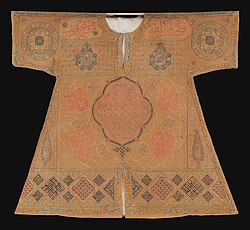
The Arabic names of God are used to form theophoric given names commonly used in Muslim cultures throughout the world, mostly in Arabic speaking societies.
Because the names of God themselves are reserved to God and their use as a person's given name is considered religiously inappropriate, theophoric names are formed by either prefixing the term ˁabd (عَبْدُ: "slave/servant of") to the name (in the case of masculine names) or by dropping the definite article al (ال).
This distinction is established out of respect for the sanctity of Divine names, which denote attributes (of love, kindness, mercy, compassion, justice, power, etc.) that are believed to be possessed in a full and absolute sense only by God, while human beings, being limited creatures, are viewed by Muslims as being endowed with the Divine attributes only in a limited and relative capacity. The prefixing of the definite article would indicate that the bearer possesses the corresponding attribute in an exclusive sense, a trait reserved to God.

Quranic verse 3:26 is cited as evidence against the validity of using Divine names for persons, with the example of Mālik ul-Mulk (مَـٰلِكُ ٱلْمُلْكُ: "Lord of Power" or "Owner of all Sovereignty"):
Say: "O God! Lord of Power, You give power to whom You please, and You strip off power from whom You please. You endue with honour whom You please, and You bring low whom You please. In Your hand is all Good." Verily, over all things You have power.
—
The two parts of the name starting with ˁabd may be written separately (as in the previous example) or combined as one in the transliterated form; in such a case, the vowel transcribed after ˁabdu is often written as u when the two words are transcribed as one: e.g., Abdur-Rahman, Abdul-Aziz, Abdul-Jabbar, or even Abdullah (عَبْدُ ٱللّٰه: "Servant of God"). (This has to do with Arabic case vowels, the final u vowel showing the normal "quote" nominative case form.)
Examples of Muslim theophoric names include:
- Raḥmān, such as Abdul-Raḥman Al-Sudais (عَبْدُ ٱلْرَّحْمَان ٱلْسُّدَيْس): Imam of the Grand Mosque of Makkah, KSA
- Salām, such as Salam Fayyaḍ (سَلَام فَيَّاض): Palestinian politician
- Jabbār, such as Kareem Abdul-Jabbar (كَرِيم عَبْدُ ٱلْجَبَّار): American basketball player
- Ḥakīm, such as Sherman "Abdul Ḥakim" Jackson (عَبْدُ ٱلْحَكِيم—ˁabdu ʼl-Ḥakiym): American Islamic Studies scholar
- Ra'ūf, such as Ra'ouf Mus'ad (رَؤُوف مُسَعد): Egyptian-Sudanese novelist
- Abdul Muqtedar as in Muḥammad Abdul Muqtedar Khan (مُحَمَّد عَبْدُ ٱلمُقْتَدِر خَان): Indian-American academic
Use in Baháʼí sources
Baháʼí sources state that the 100th name was revealed as "Baháʼ" (Arabic: بهاء "glory, splendor"), which appears in the words Bahá'u'lláh and Baháʼí. They also believe that it is the greatest name of God. The Báb wrote a noted pentagram-shaped tablet with 360 morphological derivation of the word "Baháʼ" used in it.
According to Baháʼí scholar ‘Abdu’l-Hamíd Ishráq-Khávari, Bahāʾ al-dīn al-ʿĀmilī adopted the Persian poetic pen name "Bahāʾ" after being inspired by the words of the fifth Twelver Imam, Muhammad al-Baqir, and the sixth Imam, Ja'far al-Sadiq, who stated that the greatest name of God was included in either the Duʿāʾu l-Bahāʾ, a dawn prayer for Ramadan, or the ʾAʿmal ʿam Dawūd. In the first verse of the duʿāʾu l-Bahāʾ, the name "Bahāʾ" appears four times.
See also
- The 99, a comic book based on the 99 names of God in Islam
- Basmala
- List of Arabic theophoric names
- Names of God
- Names of God in Zoroastrianism
- Names of God in Christianity
- Names of God in Judaism
- Names of God in Sikhism
- Sahasranama, the Hindu lists of 1000 names of God
- "The Nine Billion Names of God", a short story by Arthur C. Clarke
Appendix
Footnotes
Bibliography
- ʾIbrahīm bin ʿAlī al-Kafʿamī (1436–1500 CE), . Beirut: Dār al-Hādī (1992) (.
- Namira Nahouza (2009), , University of Exeter
External links
- Al-Bayhaqi (1999). . Translated by Gibril Fouad Haddad. ISCA. ISBN 1930409036.