Kaithi
In-game article clicks load inline without leaving the challenge.
Kaithi (𑂍𑂶𑂟𑂲, IPA: [kəɪ̯t̪ʰiː]), also called Kayathi (𑂍𑂨𑂟𑂲), Kayasthi (𑂍𑂰𑂨𑂮𑂹𑂟𑂲, IPA: [kəjəst̪ʰiː]), Kayastani, or Kaite Lipi (𑂍𑂰𑂅𑂞𑂵 𑂪𑂱𑂣𑂱) in Nepali, is a Brahmic script historically used across parts of Northern and Eastern India. It was prevalent in regions corresponding to modern-day Uttar Pradesh, Bihar, and Jharkhand. The script was primarily utilized for legal, administrative, and private records and was adapted for a variety of Indo-Aryan languages, including Angika, Awadhi, Bhojpuri, Hindustani, Surjapuri, Maithili, Magahi, and Nagpuri.


Etymology
The name Kaithi script is derived from the term Kayastha, a socio-professional group historically linked to writing, record-keeping and administration. This community served in royal courts and later in British colonial administration, maintaining revenue records, legal documents, title deeds, and general correspondence.

The Kaithi script is used in the multilingual stone inscription of King Pratap Malla, dated to 1654 CE. In this inscription, the name “Kayathināgara Ākhara” (Newar: 𑐎𑐫𑐠𑐶𑐣𑐵𑐐𑐬 𑐁𑐏𑐬, “Kayathinagari script”) is used to refer to this script in Newar language. This script is also known as Kaite Lipi in Nepali language.
History
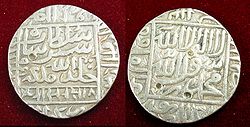
Documents in Kaithi are traceable to at least the 16th century. The script was widely used during the Mughal period. In the 1880s, during the British Raj, the script was recognised as the official script of the law courts of Bihar. Kaithi was the most widely used script of North India west of Bengal. In 1854, 77,368 school primers were in Kaithi script, as compared to 25,151 in Devanagari and 24,302 in Mahajani. Among the three scripts widely used in the 'Hindi Belt', Kaithi was widely perceived to be neutral, as it was used by both Hindus and Muslims alike [citation needed] for day-to-day correspondence, financial and administrative activities, while Devanagari was used by Hindus and Persian script by Muslims for religious literature and education. This made Kaithi increasingly unfavorable to the more conservative and religiously inclined members of society who insisted on Devanagari-based and Persian-based transcription of Hindi dialects. As a result of their influence and due to the wide availability of Devanagari type as opposed to the incredibly large variability of Kaithi, Devanagari was promoted, particularly in the Northwest Provinces, which covers present-day Uttar Pradesh.
In the late 19th century, John Nesfield in Oudh, George Campbell of Inverneill in Bihar and a committee in Bengal all advocated for the use of Kaithi script in education. Many legal documents were written in Kaithi, and from 1950 to 1954 it was the official legal script of Bihar district courts. Present day Bihar courts struggle to read old Kaithi documents.
Classes
On the basis of local variants Kaithi can be divided into three classes viz. Bhojpuri, Magahi and Trihuti.

Bhojpuri
This was used in Bhojpuri speaking regions and was considered as the most legible style of Kaithi.
Magahi
Native to Magah or Magadh it lies between Bhojpuri and Trihuti.
Tirhuti
It was used in Maithili speaking regions and was considered as the most elegant style.
Vowels
Kaithi vowels have independent (initial) and dependent (diacritic) forms:
| Trans. | Shown with ⟨𑂍⟩ | Trans. | Shown with ⟨𑂍⟩ | |
|---|---|---|---|---|
| Open | 𑂃a | 𑂍 | 𑂄𑂰ā | 𑂍𑂰 |
| Closed | 𑂅𑂱i | 𑂍𑂱 | 𑂆𑂲ī | 𑂍𑂲 |
| Closed rounded | 𑂇𑂳u | 𑂍𑂳 | 𑂈𑂴ū | 𑂍𑂴 |
| Mid | 𑂉𑂵e | 𑂍𑂵 | 𑂊𑂶ai | 𑂍𑂶 |
| Mid rounded | 𑂋𑂷o | 𑂍𑂷 | 𑂌𑂸au | 𑂍𑂸 |
Diacritics
Several diacritics are employed to change the meaning of letters:
| Diacritic | Name | Function |
|---|---|---|
| 𑂀 | chandrabindu | A chandrabindu denotes nasalisation although it is not normally used with Kaithi. |
| 𑂁 | anusvara | An anusvara in Kaithi represents true vowel nasalisation. For example, 𑂍𑂁, kaṃ. |
| 𑂂 | visarga | Visarga is a Sanskrit holdover originally representing /h/. For example, 𑂍𑂂 kaḥ. |
| 𑂹 | halanta | A virama removes a consonant's inherent a and in some cases forms consonant clusters. Compare 𑂧𑂥 maba with 𑂧𑂹𑂥 mba. |
| 𑂺 | nuqta | A nuqta is used to extend letters to represent non-native sounds. For example, 𑂔 ja + nuqta = 𑂔𑂺, which represents Arabic zayin. |
Consonants
All Kaithi consonants have an inherent /a/ vowel:
| 𑂍kIPA: /k/ | 𑂎khIPA: /kʰ/ | 𑂏gIPA: /ɡ/ | 𑂐ghIPA: /ɡʱ/ | 𑂑ṅIPA: /ŋ/ |
| 𑂒cIPA: /c/ | 𑂓chIPA: /tʃʰ/ | 𑂔jIPA: /ɟ/ | 𑂕jhIPA: /dʒʱ/ | 𑂖ñIPA: /ɲ/ |
| 𑂗ṭIPA: /ʈ/ | 𑂘ṭhIPA: /ʈʰ/ | 𑂙ḍIPA: /ɖ/ | 𑂛ḍhIPA: /ɖʱ/ | 𑂝ṇIPA: /ɳ/ |
| 𑂞tIPA: /t̪/ | 𑂟thIPA: /t̪ʰ/ | 𑂠dIPA: /d̪/ | 𑂡dhIPA: /d̪ʱ/ | 𑂢nIPA: /n/ |
| 𑂣pIPA: /p/ | 𑂤phIPA: /pʰ/ | 𑂥bIPA: /b/ | 𑂦bhIPA: /bʱ/ | 𑂧mIPA: /m/ |
| 𑂨yIPA: /j/ | 𑂩rIPA: /ɾ/ | 𑂪lIPA: /l/ | 𑂫vIPA: /ʋ/ | 𑂬śIPA: /ɕ/ |
| 𑂭ṣIPA: /ʂ/ | 𑂮sIPA: /s/ | 𑂯hIPA: /ɦ/ |
| Stricture → | Occlusives | Sonorants | |||||||
|---|---|---|---|---|---|---|---|---|---|
| Articulation → | Plosives & Affricates | Nasal | Approximant | Rhotic | Fricative | ||||
| Voicing → | Voiceless | Voiced | Voiced | Voiced | Voiceless | Voiced | |||
| Aspiration → | Unaspirated | Aspirated | Unaspirated | Aspirated | Unaspirated | Aspirated | |||
| Velar | 𑂍kIPA: /k/ | 𑂎khIPA: /kʰ/ | 𑂏gIPA: /ɡ/ | 𑂐ghIPA: /ɡʱ/ | 𑂑ṅIPA: /ŋ/ | ||||
| (Alveolo-) Palatal | 𑂒cIPA: /c/ | 𑂓chIPA: /tʃʰ/ | 𑂔jIPA: /ɟ/ | 𑂕jhIPA: /dʒʱ/ | 𑂖ñIPA: /ɲ/ | 𑂨yIPA: /j/ | 𑂬śIPA: /ɕ/ | ||
| Retroflex | 𑂗ṭIPA: /ʈ/ | 𑂘ṭhIPA: /ʈʰ/ | 𑂙ḍIPA: /ɖ/ | 𑂛ḍhIPA: /ɖʱ/ | 𑂝ṇIPA: /ɳ/ | 𑂚ṛIPA: /ɽ/ | 𑂜ṛhIPA: /ɽʱ/ | 𑂭ṣIPA: /ʂ/ | |
| (Denti-) Alveolar | 𑂞tIPA: /t̪/ | 𑂟thIPA: /t̪ʰ/ | 𑂠dIPA: /d̪/ | 𑂡dhIPA: /d̪ʱ/ | 𑂢nIPA: /n/ | 𑂪lIPA: /l/ | 𑂩rIPA: /ɾ/ | 𑂩𑂹𑂯rhIPA: /ɾʱ/ | 𑂮sIPA: /s/ |
| Labial | 𑂣pIPA: /p/ | 𑂤phIPA: /pʰ/ | 𑂥bIPA: /b/ | 𑂦bhIPA: /bʱ/ | 𑂧mIPA: /m/ | 𑂫vIPA: /ʋ/ | |||
| Glottal | 𑂯hIPA: /ɦ/ |
Notes:
Consonant Ligatures
In the Kaithi script, conjunct consonant ligatures called Sanyuktakshar ( 𑂮𑂁𑂨𑂳𑂍𑂹𑂞𑂰𑂓𑂩, romanised: Sanyuktachhar ), are generally less complex and standardised than those found in Devanagari, because of the morphology of the languages Kaithi is written in. In spoken Bhojpuri, Magadhi, Maithili and Awadhi, there is significant simplification of consonant clusters through metathesis. Complex phonemes like /ksha/ (Dev: क्ष / Kthi: 𑂍𑂹𑂭 ) from Sanskrit are instead replaced by simpler phonemes like /cha/ (𑂓).
- Example 1: The word karma (Dev: कर्म) becomes karam (Kthi: 𑂍𑂩𑂧)
- Example 2: The word Sanyuktakshar (Dev: संयुक्ताक्षर) becomes Sanyuktachhar (Kthi: 𑂮𑂁𑂨𑂳𑂍𑂹𑂞𑂰𑂓𑂩)
The second reason is Kaithi's orthographic nature. Because Kaithi was optimised by removing the shirorekha, to efficiently and rapidly transcribe information through continuous rapid strokes, historically, scribes have often avoided complex conjunct forms. Instead, they preferred to write the consonants sequentially, using an explicit virama (𑂹) to suppress the inherent vowel. However, ligated forms also exist, particularly in the Tirhuti class of Kaithi.
Example: The conjunct mba can be rendered as:
- 𑂧 + 𑂹 + 𑂥 → 𑂧𑂹𑂥
the same conjunct mba can be ligated as:
- 𑂧 + 𑂹 + 𑂥 → 𑂧𑂹𑂥
When ligatures are employed, they typically follow two primary structural patterns:
- Vertical Stacking: The trailing consonant is written directly below the leading consonant. This method is predominantly used for homorganic nasals and geminates.
| 𑂍𑂹𑂍kkaIPA: /kː/ | 𑂣𑂹𑂞ptaIPA: /pt̪a/ |
- Half-Forms: The distinctive right vertical stem of the leading consonant is removed, and the remaining left half is joined horizontally to the subsequent consonant
| 𑂧𑂹𑂥mbaIPA: /mba/ | 𑂮𑂹𑂞staIPA: /st̪a/ | 𑂍𑂹𑂭kshaIPA: /kʂa/ |
Common Double Consonants
Geminates are among the most frequently encountered ligatures in historical Kaithi manuscripts. They can be ligated or unligated, depending upon the scribe.
| 𑂍𑂹𑂍kkaIPA: /kː/ | 𑂞𑂹𑂞ttaIPA: /t̪ː/ | 𑂢𑂹𑂢nnaIPA: /nː/ | 𑂧𑂹𑂧mmaIPA: /mː/ | 𑂪𑂹𑂪llaIPA: /lː/ |
Rhotic Ligation
Similar to Devanagari, when the consonant /ɾa/ (𑂩) is part of a conjunct, it takes on a specialised reduced shape depending on its position in the consonant cluster.
- Initial consonant (Repha): When /ɾa/ precedes another consonant like in /ɾma/, it is written as a repha (𑂩𑂵𑂤). In Kaithi, the repha is a small, curved stroke placed above and slightly to the right of the following consonant. Because Kaithi was often written rapidly without a shirorekha, the exact placement of the repha could float somewhat loosely above the character it modified.
| 𑂩𑂹𑂧rmaIPA: /ɾma/ | 𑂩𑂹𑂟rthaIPA: /ɾt̪ʰ/ | 𑂩𑂹𑂏rgIPA: /ɾɡ/ |
- Second consonant (Rakar): When /ɾa/ follows another consonant like in /pɾa/, it is written as a rakar (𑂩𑂍𑂰𑂩). For characters with a vertical right stem like /pa/ (𑂣) or /ka/ (𑂍), the rakar is usually a short, diagonal stroke attached to the lower half of that stem. For characters lacking a straight right stem like /ʈa/ (𑂗), the rakar often attaches to the bottom of the letterform.
| 𑂍𑂹𑂩kraIPA: /kɾa/ | 𑂣𑂹𑂩praIPA: /pɾa/ | 𑂞𑂹𑂩traIPA: /t̪ɾa/ | 𑂗𑂹𑂩ṭraIPA: /ʈɾa/ |
Below is a comprehensive table of all 1225 possible biconsonantal Kaithi conjunct clusters. The derived characters /ɽ/ (𑂚) and /ɽʱ/ (𑂜) have also been included. Some of the ligated conjuncts may not be viable combinations in any language.
| Consonants | 𑂍 | 𑂎 | 𑂏 | 𑂐 | 𑂑 | 𑂒 | 𑂓 | 𑂔 | 𑂕 | 𑂖 | 𑂗 | 𑂘 | 𑂙 | 𑂛 | 𑂝 | 𑂞 | 𑂟 | 𑂠 | 𑂡 | 𑂢 | 𑂣 | 𑂤 | 𑂥 | 𑂦 | 𑂧 | 𑂨 | 𑂩 | 𑂪 | 𑂫 | 𑂬 | 𑂭 | 𑂮 | 𑂯 | 𑂚 | 𑂜 |
|---|---|---|---|---|---|---|---|---|---|---|---|---|---|---|---|---|---|---|---|---|---|---|---|---|---|---|---|---|---|---|---|---|---|---|---|
| 𑂍 | 𑂍𑂹𑂍 | 𑂍𑂹𑂎 | 𑂍𑂹𑂏 | 𑂍𑂹𑂐 | 𑂍𑂹𑂑 | 𑂍𑂹𑂒 | 𑂍𑂹𑂓 | 𑂍𑂹𑂔 | 𑂍𑂹𑂕 | 𑂍𑂹𑂖 | 𑂍𑂹𑂗 | 𑂍𑂹𑂘 | 𑂍𑂹𑂙 | 𑂍𑂹𑂛 | 𑂍𑂹𑂝 | 𑂍𑂹𑂞 | 𑂍𑂹𑂟 | 𑂍𑂹𑂠 | 𑂍𑂹𑂡 | 𑂍𑂹𑂢 | 𑂍𑂹𑂣 | 𑂍𑂹𑂤 | 𑂍𑂹𑂥 | 𑂍𑂹𑂦 | 𑂍𑂹𑂧 | 𑂍𑂹𑂨 | 𑂍𑂹𑂩 | 𑂍𑂹𑂪 | 𑂍𑂹𑂫 | 𑂍𑂹𑂬 | 𑂍𑂹𑂭 | 𑂍𑂹𑂮 | 𑂍𑂹𑂯 | 𑂍𑂹𑂚 | 𑂍𑂹𑂜 |
| 𑂎 | 𑂎𑂹𑂍 | 𑂎𑂹𑂎 | 𑂎𑂹𑂏 | 𑂎𑂹𑂐 | 𑂎𑂹𑂑 | 𑂎𑂹𑂒 | 𑂎𑂹𑂓 | 𑂎𑂹𑂔 | 𑂎𑂹𑂕 | 𑂎𑂹𑂖 | 𑂎𑂹𑂗 | 𑂎𑂹𑂘 | 𑂎𑂹𑂙 | 𑂎𑂹𑂛 | 𑂎𑂹𑂝 | 𑂎𑂹𑂞 | 𑂎𑂹𑂟 | 𑂎𑂹𑂠 | 𑂎𑂹𑂡 | 𑂎𑂹𑂢 | 𑂎𑂹𑂣 | 𑂎𑂹𑂤 | 𑂎𑂹𑂥 | 𑂎𑂹𑂦 | 𑂎𑂹𑂧 | 𑂎𑂹𑂨 | 𑂎𑂹𑂩 | 𑂎𑂹𑂪 | 𑂎𑂹𑂫 | 𑂎𑂹𑂬 | 𑂎𑂹𑂭 | 𑂎𑂹𑂮 | 𑂎𑂹𑂯 | 𑂎𑂹𑂚 | 𑂎𑂹𑂜 |
| 𑂏 | 𑂏𑂹𑂍 | 𑂏𑂹𑂎 | 𑂏𑂹𑂏 | 𑂏𑂹𑂐 | 𑂏𑂹𑂑 | 𑂏𑂹𑂒 | 𑂏𑂹𑂓 | 𑂏𑂹𑂔 | 𑂏𑂹𑂕 | 𑂏𑂹𑂖 | 𑂏𑂹𑂗 | 𑂏𑂹𑂘 | 𑂏𑂹𑂙 | 𑂏𑂹𑂛 | 𑂏𑂹𑂝 | 𑂏𑂹𑂞 | 𑂏𑂹𑂟 | 𑂏𑂹𑂠 | 𑂏𑂹𑂡 | 𑂏𑂹𑂢 | 𑂏𑂹𑂣 | 𑂏𑂹𑂤 | 𑂏𑂹𑂥 | 𑂏𑂹𑂦 | 𑂏𑂹𑂧 | 𑂏𑂹𑂨 | 𑂏𑂹𑂩 | 𑂏𑂹𑂪 | 𑂏𑂹𑂫 | 𑂏𑂹𑂬 | 𑂏𑂹𑂭 | 𑂏𑂹𑂮 | 𑂏𑂹𑂯 | 𑂏𑂹𑂚 | 𑂏𑂹𑂜 |
| 𑂐 | 𑂐𑂹𑂍 | 𑂐𑂹𑂎 | 𑂐𑂹𑂏 | 𑂐𑂹𑂐 | 𑂐𑂹𑂑 | 𑂐𑂹𑂒 | 𑂐𑂹𑂓 | 𑂐𑂹𑂔 | 𑂐𑂹𑂕 | 𑂐𑂹𑂖 | 𑂐𑂹𑂗 | 𑂐𑂹𑂘 | 𑂐𑂹𑂙 | 𑂐𑂹𑂛 | 𑂐𑂹𑂝 | 𑂐𑂹𑂞 | 𑂐𑂹𑂟 | 𑂐𑂹𑂠 | 𑂐𑂹𑂡 | 𑂐𑂹𑂢 | 𑂐𑂹𑂣 | 𑂐𑂹𑂤 | 𑂐𑂹𑂥 | 𑂐𑂹𑂦 | 𑂐𑂹𑂧 | 𑂐𑂹𑂨 | 𑂐𑂹𑂩 | 𑂐𑂹𑂪 | 𑂐𑂹𑂫 | 𑂐𑂹𑂬 | 𑂐𑂹𑂭 | 𑂐𑂹𑂮 | 𑂐𑂹𑂯 | 𑂐𑂹𑂚 | 𑂐𑂹𑂜 |
| 𑂑 | 𑂑𑂹𑂍 | 𑂑𑂹𑂎 | 𑂑𑂹𑂏 | 𑂑𑂹𑂐 | 𑂑𑂹𑂑 | 𑂑𑂹𑂒 | 𑂑𑂹𑂓 | 𑂑𑂹𑂔 | 𑂑𑂹𑂕 | 𑂑𑂹𑂖 | 𑂑𑂹𑂗 | 𑂑𑂹𑂘 | 𑂑𑂹𑂙 | 𑂑𑂹𑂛 | 𑂑𑂹𑂝 | 𑂑𑂹𑂞 | 𑂑𑂹𑂟 | 𑂑𑂹𑂠 | 𑂑𑂹𑂡 | 𑂑𑂹𑂢 | 𑂑𑂹𑂣 | 𑂑𑂹𑂤 | 𑂑𑂹𑂥 | 𑂑𑂹𑂦 | 𑂑𑂹𑂧 | 𑂑𑂹𑂨 | 𑂑𑂹𑂩 | 𑂑𑂹𑂪 | 𑂑𑂹𑂫 | 𑂑𑂹𑂬 | 𑂑𑂹𑂭 | 𑂑𑂹𑂮 | 𑂑𑂹𑂯 | 𑂑𑂹𑂚 | 𑂑𑂹𑂜 |
| 𑂒 | 𑂒𑂹𑂍 | 𑂒𑂹𑂎 | 𑂒𑂹𑂏 | 𑂒𑂹𑂐 | 𑂒𑂹𑂑 | 𑂒𑂹𑂒 | 𑂒𑂹𑂓 | 𑂒𑂹𑂔 | 𑂒𑂹𑂕 | 𑂒𑂹𑂖 | 𑂒𑂹𑂗 | 𑂒𑂹𑂘 | 𑂒𑂹𑂙 | 𑂒𑂹𑂛 | 𑂒𑂹𑂝 | 𑂒𑂹𑂞 | 𑂒𑂹𑂟 | 𑂒𑂹𑂠 | 𑂒𑂹𑂡 | 𑂒𑂹𑂢 | 𑂒𑂹𑂣 | 𑂒𑂹𑂤 | 𑂒𑂹𑂥 | 𑂒𑂹𑂦 | 𑂒𑂹𑂧 | 𑂒𑂹𑂨 | 𑂒𑂹𑂩 | 𑂒𑂹𑂪 | 𑂒𑂹𑂫 | 𑂒𑂹𑂬 | 𑂒𑂹𑂭 | 𑂒𑂹𑂮 | 𑂒𑂹𑂯 | 𑂒𑂹𑂚 | 𑂒𑂹𑂜 |
| 𑂓 | 𑂓𑂹𑂍 | 𑂓𑂹𑂎 | 𑂓𑂹𑂏 | 𑂓𑂹𑂐 | 𑂓𑂹𑂑 | 𑂓𑂹𑂒 | 𑂓𑂹𑂓 | 𑂓𑂹𑂔 | 𑂓𑂹𑂕 | 𑂓𑂹𑂖 | 𑂓𑂹𑂗 | 𑂓𑂹𑂘 | 𑂓𑂹𑂙 | 𑂓𑂹𑂛 | 𑂓𑂹𑂝 | 𑂓𑂹𑂞 | 𑂓𑂹𑂟 | 𑂓𑂹𑂠 | 𑂓𑂹𑂡 | 𑂓𑂹𑂢 | 𑂓𑂹𑂣 | 𑂓𑂹𑂤 | 𑂓𑂹𑂥 | 𑂓𑂹𑂦 | 𑂓𑂹𑂧 | 𑂓𑂹𑂨 | 𑂓𑂹𑂩 | 𑂓𑂹𑂪 | 𑂓𑂹𑂫 | 𑂓𑂹𑂬 | 𑂓𑂹𑂭 | 𑂓𑂹𑂮 | 𑂓𑂹𑂯 | 𑂓𑂹𑂚 | 𑂓𑂹𑂜 |
| 𑂔 | 𑂔𑂹𑂍 | 𑂔𑂹𑂎 | 𑂔𑂹𑂏 | 𑂔𑂹𑂐 | 𑂔𑂹𑂑 | 𑂔𑂹𑂒 | 𑂔𑂹𑂓 | 𑂔𑂹𑂔 | 𑂔𑂹𑂕 | 𑂔𑂹𑂖 | 𑂔𑂹𑂗 | 𑂔𑂹𑂘 | 𑂔𑂹𑂙 | 𑂔𑂹𑂛 | 𑂔𑂹𑂝 | 𑂔𑂹𑂞 | 𑂔𑂹𑂟 | 𑂔𑂹𑂠 | 𑂔𑂹𑂡 | 𑂔𑂹𑂢 | 𑂔𑂹𑂣 | 𑂔𑂹𑂤 | 𑂔𑂹𑂥 | 𑂔𑂹𑂦 | 𑂔𑂹𑂧 | 𑂔𑂹𑂨 | 𑂔𑂹𑂩 | 𑂔𑂹𑂪 | 𑂔𑂹𑂫 | 𑂔𑂹𑂬 | 𑂔𑂹𑂭 | 𑂔𑂹𑂮 | 𑂔𑂹𑂯 | 𑂔𑂹𑂚 | 𑂔𑂹𑂜 |
| 𑂕 | 𑂕𑂹𑂍 | 𑂕𑂹𑂎 | 𑂕𑂹𑂏 | 𑂕𑂹𑂐 | 𑂕𑂹𑂑 | 𑂕𑂹𑂒 | 𑂕𑂹𑂓 | 𑂕𑂹𑂔 | 𑂕𑂹𑂕 | 𑂕𑂹𑂖 | 𑂕𑂹𑂗 | 𑂕𑂹𑂘 | 𑂕𑂹𑂙 | 𑂕𑂹𑂛 | 𑂕𑂹𑂝 | 𑂕𑂹𑂞 | 𑂕𑂹𑂟 | 𑂕𑂹𑂠 | 𑂕𑂹𑂡 | 𑂕𑂹𑂢 | 𑂕𑂹𑂣 | 𑂕𑂹𑂤 | 𑂕𑂹𑂥 | 𑂕𑂹𑂦 | 𑂕𑂹𑂧 | 𑂕𑂹𑂨 | 𑂕𑂹𑂩 | 𑂕𑂹𑂪 | 𑂕𑂹𑂫 | 𑂕𑂹𑂬 | 𑂕𑂹𑂭 | 𑂕𑂹𑂮 | 𑂕𑂹𑂯 | 𑂕𑂹𑂚 | 𑂕𑂹𑂜 |
| 𑂖 | 𑂖𑂹𑂍 | 𑂖𑂹𑂎 | 𑂖𑂹𑂏 | 𑂖𑂹𑂐 | 𑂖𑂹𑂑 | 𑂖𑂹𑂒 | 𑂖𑂹𑂓 | 𑂖𑂹𑂔 | 𑂖𑂹𑂕 | 𑂖𑂹𑂖 | 𑂖𑂹𑂗 | 𑂖𑂹𑂘 | 𑂖𑂹𑂙 | 𑂖𑂹𑂛 | 𑂖𑂹𑂝 | 𑂖𑂹𑂞 | 𑂖𑂹𑂟 | 𑂖𑂹𑂠 | 𑂖𑂹𑂡 | 𑂖𑂹𑂢 | 𑂖𑂹𑂣 | 𑂖𑂹𑂤 | 𑂖𑂹𑂥 | 𑂖𑂹𑂦 | 𑂖𑂹𑂧 | 𑂖𑂹𑂨 | 𑂖𑂹𑂩 | 𑂖𑂹𑂪 | 𑂖𑂹𑂫 | 𑂖𑂹𑂬 | 𑂖𑂹𑂭 | 𑂖𑂹𑂮 | 𑂖𑂹𑂯 | 𑂖𑂹𑂚 | 𑂖𑂹𑂜 |
| 𑂗 | 𑂗𑂹𑂍 | 𑂗𑂹𑂎 | 𑂗𑂹𑂏 | 𑂗𑂹𑂐 | 𑂗𑂹𑂑 | 𑂗𑂹𑂒 | 𑂗𑂹𑂓 | 𑂗𑂹𑂔 | 𑂗𑂹𑂕 | 𑂗𑂹𑂖 | 𑂗𑂹𑂗 | 𑂗𑂹𑂘 | 𑂗𑂹𑂙 | 𑂗𑂹𑂛 | 𑂗𑂹𑂝 | 𑂗𑂹𑂞 | 𑂗𑂹𑂟 | 𑂗𑂹𑂠 | 𑂗𑂹𑂡 | 𑂗𑂹𑂢 | 𑂗𑂹𑂣 | 𑂗𑂹𑂤 | 𑂗𑂹𑂥 | 𑂗𑂹𑂦 | 𑂗𑂹𑂧 | 𑂗𑂹𑂨 | 𑂗𑂹𑂩 | 𑂗𑂹𑂪 | 𑂗𑂹𑂫 | 𑂗𑂹𑂬 | 𑂗𑂹𑂭 | 𑂗𑂹𑂮 | 𑂗𑂹𑂯 | 𑂗𑂹𑂚 | 𑂗𑂹𑂜 |
| 𑂘 | 𑂘𑂹𑂍 | 𑂘𑂹𑂎 | 𑂘𑂹𑂏 | 𑂘𑂹𑂐 | 𑂘𑂹𑂑 | 𑂘𑂹𑂒 | 𑂘𑂹𑂓 | 𑂘𑂹𑂔 | 𑂘𑂹𑂕 | 𑂘𑂹𑂖 | 𑂘𑂹𑂗 | 𑂘𑂹𑂘 | 𑂘𑂹𑂙 | 𑂘𑂹𑂛 | 𑂘𑂹𑂝 | 𑂘𑂹𑂞 | 𑂘𑂹𑂟 | 𑂘𑂹𑂠 | 𑂘𑂹𑂡 | 𑂘𑂹𑂢 | 𑂘𑂹𑂣 | 𑂘𑂹𑂤 | 𑂘𑂹𑂥 | 𑂘𑂹𑂦 | 𑂘𑂹𑂧 | 𑂘𑂹𑂨 | 𑂘𑂹𑂩 | 𑂘𑂹𑂪 | 𑂘𑂹𑂫 | 𑂘𑂹𑂬 | 𑂘𑂹𑂭 | 𑂘𑂹𑂮 | 𑂘𑂹𑂯 | 𑂘𑂹𑂚 | 𑂘𑂹𑂜 |
| 𑂙 | 𑂙𑂹𑂍 | 𑂙𑂹𑂎 | 𑂙𑂹𑂏 | 𑂙𑂹𑂐 | 𑂙𑂹𑂑 | 𑂙𑂹𑂒 | 𑂙𑂹𑂓 | 𑂙𑂹𑂔 | 𑂙𑂹𑂕 | 𑂙𑂹𑂖 | 𑂙𑂹𑂗 | 𑂙𑂹𑂘 | 𑂙𑂹𑂙 | 𑂙𑂹𑂛 | 𑂙𑂹𑂝 | 𑂙𑂹𑂞 | 𑂙𑂹𑂟 | 𑂙𑂹𑂠 | 𑂙𑂹𑂡 | 𑂙𑂹𑂢 | 𑂙𑂹𑂣 | 𑂙𑂹𑂤 | 𑂙𑂹𑂥 | 𑂙𑂹𑂦 | 𑂙𑂹𑂧 | 𑂙𑂹𑂨 | 𑂙𑂹𑂩 | 𑂙𑂹𑂪 | 𑂙𑂹𑂫 | 𑂙𑂹𑂬 | 𑂙𑂹𑂭 | 𑂙𑂹𑂮 | 𑂙𑂹𑂯 | 𑂙𑂹𑂚 | 𑂙𑂹𑂜 |
| 𑂛 | 𑂛𑂹𑂍 | 𑂛𑂹𑂎 | 𑂛𑂹𑂏 | 𑂛𑂹𑂐 | 𑂛𑂹𑂑 | 𑂛𑂹𑂒 | 𑂛𑂹𑂓 | 𑂛𑂹𑂔 | 𑂛𑂹𑂕 | 𑂛𑂹𑂖 | 𑂛𑂹𑂗 | 𑂛𑂹𑂘 | 𑂛𑂹𑂙 | 𑂛𑂹𑂛 | 𑂛𑂹𑂝 | 𑂛𑂹𑂞 | 𑂛𑂹𑂟 | 𑂛𑂹𑂠 | 𑂛𑂹𑂡 | 𑂛𑂹𑂢 | 𑂛𑂹𑂣 | 𑂛𑂹𑂤 | 𑂛𑂹𑂥 | 𑂛𑂹𑂦 | 𑂛𑂹𑂧 | 𑂛𑂹𑂨 | 𑂛𑂹𑂩 | 𑂛𑂹𑂪 | 𑂛𑂹𑂫 | 𑂛𑂹𑂬 | 𑂛𑂹𑂭 | 𑂛𑂹𑂮 | 𑂛𑂹𑂯 | 𑂛𑂹𑂚 | 𑂛𑂹𑂜 |
| 𑂝 | 𑂝𑂹𑂍 | 𑂝𑂹𑂎 | 𑂝𑂹𑂏 | 𑂝𑂹𑂐 | 𑂝𑂹𑂑 | 𑂝𑂹𑂒 | 𑂝𑂹𑂓 | 𑂝𑂹𑂔 | 𑂝𑂹𑂕 | 𑂝𑂹𑂖 | 𑂝𑂹𑂗 | 𑂝𑂹𑂘 | 𑂝𑂹𑂙 | 𑂝𑂹𑂛 | 𑂝𑂹𑂝 | 𑂝𑂹𑂞 | 𑂝𑂹𑂟 | 𑂝𑂹𑂠 | 𑂝𑂹𑂡 | 𑂝𑂹𑂢 | 𑂝𑂹𑂣 | 𑂝𑂹𑂤 | 𑂝𑂹𑂥 | 𑂝𑂹𑂦 | 𑂝𑂹𑂧 | 𑂝𑂹𑂨 | 𑂝𑂹𑂩 | 𑂝𑂹𑂪 | 𑂝𑂹𑂫 | 𑂝𑂹𑂬 | 𑂝𑂹𑂭 | 𑂝𑂹𑂮 | 𑂝𑂹𑂯 | 𑂝𑂹𑂚 | 𑂝𑂹𑂜 |
| 𑂞 | 𑂞𑂹𑂍 | 𑂞𑂹𑂎 | 𑂞𑂹𑂏 | 𑂞𑂹𑂐 | 𑂞𑂹𑂑 | 𑂞𑂹𑂒 | 𑂞𑂹𑂓 | 𑂞𑂹𑂔 | 𑂞𑂹𑂕 | 𑂞𑂹𑂖 | 𑂞𑂹𑂗 | 𑂞𑂹𑂘 | 𑂞𑂹𑂙 | 𑂞𑂹𑂛 | 𑂞𑂹𑂝 | 𑂞𑂹𑂞 | 𑂞𑂹𑂟 | 𑂞𑂹𑂠 | 𑂞𑂹𑂡 | 𑂞𑂹𑂢 | 𑂞𑂹𑂣 | 𑂞𑂹𑂤 | 𑂞𑂹𑂥 | 𑂞𑂹𑂦 | 𑂞𑂹𑂧 | 𑂞𑂹𑂨 | 𑂞𑂹𑂩 | 𑂞𑂹𑂪 | 𑂞𑂹𑂫 | 𑂞𑂹𑂬 | 𑂞𑂹𑂭 | 𑂞𑂹𑂮 | 𑂞𑂹𑂯 | 𑂞𑂹𑂚 | 𑂞𑂹𑂜 |
| 𑂟 | 𑂟𑂹𑂍 | 𑂟𑂹𑂎 | 𑂟𑂹𑂏 | 𑂟𑂹𑂐 | 𑂟𑂹𑂑 | 𑂟𑂹𑂒 | 𑂟𑂹𑂓 | 𑂟𑂹𑂔 | 𑂟𑂹𑂕 | 𑂟𑂹𑂖 | 𑂟𑂹𑂗 | 𑂟𑂹𑂘 | 𑂟𑂹𑂙 | 𑂟𑂹𑂛 | 𑂟𑂹𑂝 | 𑂟𑂹𑂞 | 𑂟𑂹𑂟 | 𑂟𑂹𑂠 | 𑂟𑂹𑂡 | 𑂟𑂹𑂢 | 𑂟𑂹𑂣 | 𑂟𑂹𑂤 | 𑂟𑂹𑂥 | 𑂟𑂹𑂦 | 𑂟𑂹𑂧 | 𑂟𑂹𑂨 | 𑂟𑂹𑂩 | 𑂟𑂹𑂪 | 𑂟𑂹𑂫 | 𑂟𑂹𑂬 | 𑂟𑂹𑂭 | 𑂟𑂹𑂮 | 𑂟𑂹𑂯 | 𑂟𑂹𑂚 | 𑂟𑂹𑂜 |
| 𑂠 | 𑂠𑂹𑂍 | 𑂠𑂹𑂎 | 𑂠𑂹𑂏 | 𑂠𑂹𑂐 | 𑂠𑂹𑂑 | 𑂠𑂹𑂒 | 𑂠𑂹𑂓 | 𑂠𑂹𑂔 | 𑂠𑂹𑂕 | 𑂠𑂹𑂖 | 𑂠𑂹𑂗 | 𑂠𑂹𑂘 | 𑂠𑂹𑂙 | 𑂠𑂹𑂛 | 𑂠𑂹𑂝 | 𑂠𑂹𑂞 | 𑂠𑂹𑂟 | 𑂠𑂹𑂠 | 𑂠𑂹𑂡 | 𑂠𑂹𑂢 | 𑂠𑂹𑂣 | 𑂠𑂹𑂤 | 𑂠𑂹𑂥 | 𑂠𑂹𑂦 | 𑂠𑂹𑂧 | 𑂠𑂹𑂨 | 𑂠𑂹𑂩 | 𑂠𑂹𑂪 | 𑂠𑂹𑂫 | 𑂠𑂹𑂬 | 𑂠𑂹𑂭 | 𑂠𑂹𑂮 | 𑂠𑂹𑂯 | 𑂠𑂹𑂚 | 𑂠𑂹𑂜 |
| 𑂡 | 𑂡𑂹𑂍 | 𑂡𑂹𑂎 | 𑂡𑂹𑂏 | 𑂡𑂹𑂐 | 𑂡𑂹𑂑 | 𑂡𑂹𑂒 | 𑂡𑂹𑂓 | 𑂡𑂹𑂔 | 𑂡𑂹𑂕 | 𑂡𑂹𑂖 | 𑂡𑂹𑂗 | 𑂡𑂹𑂘 | 𑂡𑂹𑂙 | 𑂡𑂹𑂛 | 𑂡𑂹𑂝 | 𑂡𑂹𑂞 | 𑂡𑂹𑂟 | 𑂡𑂹𑂠 | 𑂡𑂹𑂡 | 𑂡𑂹𑂢 | 𑂡𑂹𑂣 | 𑂡𑂹𑂤 | 𑂡𑂹𑂥 | 𑂡𑂹𑂦 | 𑂡𑂹𑂧 | 𑂡𑂹𑂨 | 𑂡𑂹𑂩 | 𑂡𑂹𑂪 | 𑂡𑂹𑂫 | 𑂡𑂹𑂬 | 𑂡𑂹𑂭 | 𑂡𑂹𑂮 | 𑂡𑂹𑂯 | 𑂡𑂹𑂚 | 𑂡𑂹𑂜 |
| 𑂢 | 𑂢𑂹𑂍 | 𑂢𑂹𑂎 | 𑂢𑂹𑂏 | 𑂢𑂹𑂐 | 𑂢𑂹𑂑 | 𑂢𑂹𑂒 | 𑂢𑂹𑂓 | 𑂢𑂹𑂔 | 𑂢𑂹𑂕 | 𑂢𑂹𑂖 | 𑂢𑂹𑂗 | 𑂢𑂹𑂘 | 𑂢𑂹𑂙 | 𑂢𑂹𑂛 | 𑂢𑂹𑂝 | 𑂢𑂹𑂞 | 𑂢𑂹𑂟 | 𑂢𑂹𑂠 | 𑂢𑂹𑂡 | 𑂢𑂹𑂢 | 𑂢𑂹𑂣 | 𑂢𑂹𑂤 | 𑂢𑂹𑂥 | 𑂢𑂹𑂦 | 𑂢𑂹𑂦 | 𑂢𑂹𑂨 | 𑂢𑂹𑂩 | 𑂢𑂹𑂪 | 𑂢𑂹𑂫 | 𑂢𑂹𑂬 | 𑂢𑂹𑂭 | 𑂢𑂹𑂮 | 𑂢𑂹𑂯 | 𑂢𑂹𑂚 | 𑂢𑂹𑂜 |
| 𑂣 | 𑂣𑂹𑂍 | 𑂣𑂹𑂎 | 𑂣𑂹𑂏 | 𑂣𑂹𑂐 | 𑂣𑂹𑂑 | 𑂣𑂹𑂒 | 𑂣𑂹𑂓 | 𑂣𑂹𑂔 | 𑂣𑂹𑂕 | 𑂣𑂹𑂖 | 𑂣𑂹𑂗 | 𑂣𑂹𑂘 | 𑂣𑂹𑂙 | 𑂣𑂹𑂛 | 𑂣𑂹𑂝 | 𑂣𑂹𑂞 | 𑂣𑂹𑂟 | 𑂣𑂹𑂠 | 𑂣𑂹𑂡 | 𑂣𑂹𑂢 | 𑂣𑂹𑂣 | 𑂣𑂹𑂤 | 𑂣𑂹𑂥 | 𑂣𑂹𑂦 | 𑂣𑂹𑂧 | 𑂣𑂹𑂨 | 𑂣𑂹𑂩 | 𑂣𑂹𑂪 | 𑂣𑂹𑂫 | 𑂣𑂹𑂬 | 𑂣𑂹𑂭 | 𑂣𑂹𑂮 | 𑂣𑂹𑂯 | 𑂣𑂹𑂚 | 𑂣𑂹𑂜 |
| 𑂤 | 𑂤𑂹𑂍 | 𑂤𑂹𑂎 | 𑂤𑂹𑂏 | 𑂤𑂹𑂐 | 𑂤𑂹𑂑 | 𑂤𑂹𑂒 | 𑂤𑂹𑂓 | 𑂤𑂹𑂔 | 𑂤𑂹𑂕 | 𑂤𑂹𑂖 | 𑂤𑂹𑂗 | 𑂤𑂹𑂘 | 𑂤𑂹𑂙 | 𑂤𑂹𑂛 | 𑂤𑂹𑂝 | 𑂤𑂹𑂞 | 𑂤𑂹𑂟 | 𑂤𑂹𑂠 | 𑂤𑂹𑂡 | 𑂤𑂹𑂢 | 𑂤𑂹𑂣 | 𑂤𑂹𑂤 | 𑂤𑂹𑂥 | 𑂤𑂹𑂦 | 𑂤𑂹𑂧 | 𑂤𑂹𑂨 | 𑂤𑂹𑂩 | 𑂤𑂹𑂪 | 𑂤𑂹𑂫 | 𑂤𑂹𑂬 | 𑂤𑂹𑂭 | 𑂤𑂹𑂮 | 𑂤𑂹𑂯 | 𑂤𑂹𑂚 | 𑂤𑂹𑂜 |
| 𑂥 | 𑂥𑂹𑂍 | 𑂥𑂹𑂎 | 𑂥𑂹𑂏 | 𑂥𑂹𑂐 | 𑂥𑂹𑂑 | 𑂥𑂹𑂒 | 𑂥𑂹𑂓 | 𑂥𑂹𑂔 | 𑂥𑂹𑂕 | 𑂥𑂹𑂖 | 𑂥𑂹𑂗 | 𑂥𑂹𑂘 | 𑂥𑂹𑂙 | 𑂥𑂹𑂛 | 𑂥𑂹𑂝 | 𑂥𑂹𑂞 | 𑂥𑂹𑂟 | 𑂥𑂹𑂠 | 𑂥𑂹𑂡 | 𑂥𑂹𑂢 | 𑂥𑂹𑂣 | 𑂥𑂹𑂤 | 𑂥𑂹𑂥 | 𑂥𑂹𑂦 | 𑂥𑂹𑂧 | 𑂥𑂹𑂨 | 𑂥𑂹𑂩 | 𑂥𑂹𑂪 | 𑂥𑂹𑂫 | 𑂥𑂹𑂬 | 𑂥𑂹𑂭 | 𑂥𑂹𑂮 | 𑂥𑂹𑂯 | 𑂥𑂹𑂚 | 𑂥𑂹𑂜 |
| 𑂦 | 𑂦𑂹𑂍 | 𑂦𑂹𑂎 | 𑂦𑂹𑂏 | 𑂦𑂹𑂐 | 𑂦𑂹𑂑 | 𑂦𑂹𑂒 | 𑂦𑂹𑂓 | 𑂦𑂹𑂔 | 𑂦𑂹𑂕 | 𑂦𑂹𑂖 | 𑂦𑂹𑂗 | 𑂦𑂹𑂘 | 𑂦𑂹𑂙 | 𑂦𑂹𑂛 | 𑂦𑂹𑂝 | 𑂦𑂹𑂞 | 𑂦𑂹𑂟 | 𑂦𑂹𑂠 | 𑂦𑂹𑂡 | 𑂦𑂹𑂢 | 𑂦𑂹𑂣 | 𑂦𑂹𑂤 | 𑂦𑂹𑂥 | 𑂦𑂹𑂦 | 𑂦𑂹𑂧 | 𑂦𑂹𑂨 | 𑂦𑂹𑂩 | 𑂦𑂹𑂪 | 𑂦𑂹𑂫 | 𑂦𑂹𑂬 | 𑂦𑂹𑂭 | 𑂦𑂹𑂮 | 𑂦𑂹𑂯 | 𑂦𑂹𑂚 | 𑂦𑂹𑂜 |
| 𑂧 | 𑂧𑂹𑂍 | 𑂧𑂹𑂎 | 𑂧𑂹𑂏 | 𑂧𑂹𑂐 | 𑂧𑂹𑂑 | 𑂧𑂹𑂒 | 𑂧𑂹𑂓 | 𑂧𑂹𑂔 | 𑂧𑂹𑂕 | 𑂧𑂹𑂖 | 𑂧𑂹𑂗 | 𑂧𑂹𑂘 | 𑂧𑂹𑂙 | 𑂧𑂹𑂛 | 𑂧𑂹𑂝 | 𑂧𑂹𑂞 | 𑂧𑂹𑂟 | 𑂧𑂹𑂠 | 𑂧𑂹𑂡 | 𑂧𑂹𑂢 | 𑂧𑂹𑂣 | 𑂧𑂹𑂤 | 𑂧𑂹𑂥 | 𑂧𑂹𑂦 | 𑂧𑂹𑂧 | 𑂧𑂹𑂨 | 𑂧𑂹𑂩 | 𑂧𑂹𑂪 | 𑂧𑂹𑂫 | 𑂧𑂹𑂬 | 𑂧𑂹𑂭 | 𑂧𑂹𑂮 | 𑂧𑂹𑂯 | 𑂧𑂹𑂚 | 𑂧𑂹𑂜 |
| 𑂨 | 𑂨𑂹𑂍 | 𑂨𑂹𑂎 | 𑂨𑂹𑂏 | 𑂨𑂹𑂐 | 𑂨𑂹𑂑 | 𑂨𑂹𑂒 | 𑂨𑂹𑂓 | 𑂨𑂹𑂔 | 𑂨𑂹𑂕 | 𑂨𑂹𑂖 | 𑂨𑂹𑂗 | 𑂨𑂹𑂘 | 𑂨𑂹𑂙 | 𑂨𑂹𑂛 | 𑂨𑂹𑂝 | 𑂨𑂹𑂞 | 𑂨𑂹𑂟 | 𑂨𑂹𑂠 | 𑂨𑂹𑂡 | 𑂨𑂹𑂢 | 𑂨𑂹𑂣 | 𑂨𑂹𑂤 | 𑂨𑂹𑂥 | 𑂨𑂹𑂦 | 𑂨𑂹𑂧 | 𑂨𑂹𑂨 | 𑂨𑂹𑂩 | 𑂨𑂹𑂪 | 𑂨𑂹𑂫 | 𑂨𑂹𑂬 | 𑂨𑂹𑂭 | 𑂨𑂹𑂮 | 𑂨𑂹𑂯 | 𑂨𑂹𑂚 | 𑂨𑂹𑂜 |
| 𑂩 | 𑂩𑂹𑂍 | 𑂩𑂹𑂎 | 𑂩𑂹𑂏 | 𑂩𑂹𑂐 | 𑂩𑂹𑂑 | 𑂩𑂹𑂒 | 𑂩𑂹𑂓 | 𑂩𑂹𑂔 | 𑂩𑂹𑂕 | 𑂩𑂹𑂖 | 𑂩𑂹𑂗 | 𑂩𑂹𑂘 | 𑂩𑂹𑂙 | 𑂩𑂹𑂛 | 𑂩𑂹𑂝 | 𑂩𑂹𑂞 | 𑂩𑂹𑂟 | 𑂩𑂹𑂠 | 𑂩𑂹𑂡 | 𑂩𑂹𑂢 | 𑂩𑂹𑂣 | 𑂩𑂹𑂤 | 𑂩𑂹𑂥 | 𑂩𑂹𑂦 | 𑂩𑂹𑂧 | 𑂩𑂹𑂨 | 𑂩𑂹𑂩 | 𑂩𑂹𑂪 | 𑂩𑂹𑂫 | 𑂩𑂹𑂬 | 𑂩𑂹𑂭 | 𑂩𑂹𑂮 | 𑂩𑂹𑂯 | 𑂩𑂹𑂚 | 𑂩𑂹𑂜 |
| 𑂪 | 𑂪𑂹𑂍 | 𑂪𑂹𑂎 | 𑂪𑂹𑂏 | 𑂪𑂹𑂐 | 𑂪𑂹𑂑 | 𑂪𑂹𑂒 | 𑂪𑂹𑂓 | 𑂪𑂹𑂔 | 𑂪𑂹𑂕 | 𑂪𑂹𑂖 | 𑂪𑂹𑂗 | 𑂪𑂹𑂘 | 𑂪𑂹𑂙 | 𑂪𑂹𑂛 | 𑂪𑂹𑂝 | 𑂪𑂹𑂞 | 𑂪𑂹𑂟 | 𑂪𑂹𑂠 | 𑂪𑂹𑂡 | 𑂪𑂹𑂢 | 𑂪𑂹𑂣 | 𑂪𑂹𑂤 | 𑂪𑂹𑂥 | 𑂪𑂹𑂦 | 𑂪𑂹𑂧 | 𑂪𑂹𑂨 | 𑂪𑂹𑂩 | 𑂪𑂹𑂪 | 𑂪𑂹𑂫 | 𑂪𑂹𑂬 | 𑂪𑂹𑂭 | 𑂪𑂹𑂮 | 𑂪𑂹𑂯 | 𑂪𑂹𑂚 | 𑂪𑂹𑂜 |
| 𑂫 | 𑂫𑂹𑂍 | 𑂫𑂹𑂎 | 𑂫𑂹𑂏 | 𑂫𑂹𑂐 | 𑂫𑂹𑂑 | 𑂫𑂹𑂒 | 𑂫𑂹𑂓 | 𑂫𑂹𑂔 | 𑂫𑂹𑂕 | 𑂫𑂹𑂖 | 𑂫𑂹𑂗 | 𑂫𑂹𑂘 | 𑂫𑂹𑂙 | 𑂫𑂹𑂛 | 𑂫𑂹𑂝 | 𑂫𑂹𑂞 | 𑂫𑂹𑂟 | 𑂫𑂹𑂠 | 𑂫𑂹𑂡 | 𑂫𑂹𑂢 | 𑂫𑂹𑂣 | 𑂫𑂹𑂤 | 𑂫𑂹𑂥 | 𑂫𑂹𑂦 | 𑂫𑂹𑂧 | 𑂫𑂹𑂨 | 𑂫𑂹𑂩 | 𑂫𑂹𑂪 | 𑂫𑂹𑂫 | 𑂫𑂹𑂬 | 𑂫𑂹𑂭 | 𑂫𑂹𑂮 | 𑂫𑂹𑂯 | 𑂫𑂹𑂚 | 𑂫𑂹𑂜 |
| 𑂬 | 𑂬𑂹𑂍 | 𑂬𑂹𑂎 | 𑂬𑂹𑂏 | 𑂬𑂹𑂐 | 𑂬𑂹𑂑 | 𑂬𑂹𑂒 | 𑂬𑂹𑂓 | 𑂬𑂹𑂔 | 𑂬𑂹𑂕 | 𑂬𑂹𑂖 | 𑂬𑂹𑂗 | 𑂬𑂹𑂘 | 𑂬𑂹𑂙 | 𑂬𑂹𑂛 | 𑂬𑂹𑂝 | 𑂬𑂹𑂞 | 𑂬𑂹𑂟 | 𑂬𑂹𑂠 | 𑂬𑂹𑂡 | 𑂬𑂹𑂢 | 𑂬𑂹𑂣 | 𑂬𑂹𑂤 | 𑂬𑂹𑂥 | 𑂬𑂹𑂦 | 𑂬𑂹𑂧 | 𑂬𑂹𑂨 | 𑂬𑂹𑂩 | 𑂬𑂹𑂪 | 𑂬𑂹𑂫 | 𑂬𑂹𑂬 | 𑂬𑂹𑂭 | 𑂬𑂹𑂮 | 𑂬𑂹𑂯 | 𑂬𑂹𑂚 | 𑂬𑂹𑂜 |
| 𑂭 | 𑂭𑂹𑂍 | 𑂭𑂹𑂎 | 𑂭𑂹𑂏 | 𑂭𑂹𑂐 | 𑂭𑂹𑂑 | 𑂭𑂹𑂒 | 𑂭𑂹𑂓 | 𑂭𑂹𑂔 | 𑂭𑂹𑂕 | 𑂭𑂹𑂖 | 𑂭𑂹𑂗 | 𑂭𑂹𑂘 | 𑂭𑂹𑂙 | 𑂭𑂹𑂛 | 𑂭𑂹𑂝 | 𑂭𑂹𑂞 | 𑂭𑂹𑂟 | 𑂭𑂹𑂠 | 𑂭𑂹𑂡 | 𑂭𑂹𑂢 | 𑂭𑂹𑂣 | 𑂭𑂹𑂤 | 𑂭𑂹𑂥 | 𑂭𑂹𑂦 | 𑂭𑂹𑂧 | 𑂭𑂹𑂨 | 𑂭𑂹𑂩 | 𑂭𑂹𑂪 | 𑂭𑂹𑂫 | 𑂭𑂹𑂬 | 𑂭𑂹𑂭 | 𑂭𑂹𑂮 | 𑂭𑂹𑂯 | 𑂭𑂹𑂚 | 𑂭𑂹𑂜 |
| 𑂮 | 𑂮𑂹𑂍 | 𑂮𑂹𑂎 | 𑂮𑂹𑂏 | 𑂮𑂹𑂐 | 𑂮𑂹𑂑 | 𑂮𑂹𑂒 | 𑂮𑂹𑂓 | 𑂮𑂹𑂔 | 𑂮𑂹𑂕 | 𑂮𑂹𑂖 | 𑂮𑂹𑂗 | 𑂮𑂹𑂘 | 𑂮𑂹𑂙 | 𑂮𑂹𑂛 | 𑂮𑂹𑂝 | 𑂮𑂹𑂞 | 𑂮𑂹𑂟 | 𑂮𑂹𑂠 | 𑂮𑂹𑂡 | 𑂮𑂹𑂢 | 𑂮𑂹𑂣 | 𑂮𑂹𑂤 | 𑂮𑂹𑂥 | 𑂮𑂹𑂦 | 𑂮𑂹𑂧 | 𑂮𑂹𑂨 | 𑂮𑂹𑂩 | 𑂮𑂹𑂪 | 𑂮𑂹𑂫 | 𑂮𑂹𑂬 | 𑂮𑂹𑂭 | 𑂮𑂹𑂮 | 𑂮𑂹𑂯 | 𑂮𑂹𑂚 | 𑂮𑂹𑂜 |
| 𑂯 | 𑂯𑂹𑂍 | 𑂯𑂹𑂎 | 𑂯𑂹𑂏 | 𑂯𑂹𑂐 | 𑂯𑂹𑂑 | 𑂯𑂹𑂒 | 𑂯𑂹𑂓 | 𑂯𑂹𑂔 | 𑂯𑂹𑂕 | 𑂯𑂹𑂖 | 𑂯𑂹𑂗 | 𑂯𑂹𑂘 | 𑂯𑂹𑂙 | 𑂯𑂹𑂛 | 𑂯𑂹𑂝 | 𑂯𑂹𑂞 | 𑂯𑂹𑂟 | 𑂯𑂹𑂠 | 𑂯𑂹𑂡 | 𑂯𑂹𑂢 | 𑂯𑂹𑂣 | 𑂯𑂹𑂤 | 𑂯𑂹𑂥 | 𑂯𑂹𑂦 | 𑂯𑂹𑂧 | 𑂯𑂹𑂨 | 𑂯𑂹𑂩 | 𑂯𑂹𑂪 | 𑂯𑂹𑂫 | 𑂯𑂹𑂬 | 𑂯𑂹𑂭 | 𑂯𑂹𑂮 | 𑂯𑂹𑂯 | 𑂯𑂹𑂚 | 𑂯𑂹𑂜 |
| 𑂚 | 𑂚𑂹𑂍 | 𑂚𑂹𑂎 | 𑂚𑂹𑂏 | 𑂚𑂹𑂐 | 𑂚𑂹𑂑 | 𑂚𑂹𑂒 | 𑂚𑂹𑂓 | 𑂚𑂹𑂔 | 𑂚𑂹𑂕 | 𑂚𑂹𑂖 | 𑂚𑂹𑂗 | 𑂚𑂹𑂘 | 𑂚𑂹𑂙 | 𑂚𑂹𑂛 | 𑂚𑂹𑂝 | 𑂚𑂹𑂞 | 𑂚𑂹𑂟 | 𑂚𑂹𑂠 | 𑂚𑂹𑂡 | 𑂚𑂹𑂢 | 𑂚𑂹𑂣 | 𑂚𑂹𑂤 | 𑂚𑂹𑂥 | 𑂚𑂹𑂦 | 𑂚𑂹𑂧 | 𑂚𑂹𑂨 | 𑂚𑂹𑂩 | 𑂚𑂹𑂪 | 𑂚𑂹𑂫 | 𑂚𑂹𑂬 | 𑂚𑂹𑂭 | 𑂚𑂹𑂮 | 𑂚𑂹𑂯 | 𑂚𑂹𑂚 | 𑂚𑂹𑂜 |
| 𑂜 | 𑂜𑂹𑂍 | 𑂜𑂹𑂎 | 𑂜𑂹𑂏 | 𑂜𑂹𑂐 | 𑂜𑂹𑂑 | 𑂜𑂹𑂒 | 𑂜𑂹𑂓 | 𑂜𑂹𑂔 | 𑂜𑂹𑂕 | 𑂜𑂹𑂖 | 𑂜𑂹𑂗 | 𑂜𑂹𑂘 | 𑂜𑂹𑂙 | 𑂜𑂹𑂛 | 𑂜𑂹𑂝 | 𑂜𑂹𑂞 | 𑂜𑂹𑂟 | 𑂜𑂹𑂠 | 𑂜𑂹𑂡 | 𑂜𑂹𑂢 | 𑂜𑂹𑂣 | 𑂜𑂹𑂤 | 𑂜𑂹𑂥 | 𑂜𑂹𑂦 | 𑂜𑂹𑂧 | 𑂜𑂹𑂨 | 𑂜𑂹𑂩 | 𑂜𑂹𑂪 | 𑂜𑂹𑂫 | 𑂜𑂹𑂬 | 𑂜𑂹𑂭 | 𑂜𑂹𑂮 | 𑂜𑂹𑂯 | 𑂜𑂹𑂚 | 𑂜𑂹𑂜 |
| 𑂫𑂹𑂨𑂝𑂹𑂔𑂢 | 𑂍 | 𑂎 | 𑂏 | 𑂐 | 𑂑 | 𑂒 | 𑂓 | 𑂔 | 𑂕 | 𑂖 | 𑂗 | 𑂘 | 𑂙 | 𑂛 | 𑂝 | 𑂞 | 𑂟 | 𑂠 | 𑂡 | 𑂢 | 𑂣 | 𑂤 | 𑂥 | 𑂦 | 𑂧 | 𑂨 | 𑂩 | 𑂪 | 𑂫 | 𑂬 | 𑂭 | 𑂮 | 𑂯 | 𑂚 | 𑂜 |
Vowel diacritics

The following table shows the list of vowel diacritics on consonants. The vowel diacritics on consonants are called kakahārā (𑂍𑂍𑂯𑂰𑂩𑂰).
| ् | 𑂃 | 𑂄 | 𑂅 | 𑂆 | 𑂇 | 𑂈 | 𑂉 | 𑂊 | 𑂋 | 𑂌 | 𑂃𑂁 | 𑂃𑂂 |
|---|---|---|---|---|---|---|---|---|---|---|---|---|
| 𑂍𑂹 | 𑂍 | 𑂍𑂰 | 𑂍𑂱 | 𑂍𑂲 | 𑂍𑂳 | 𑂍𑂴 | 𑂍𑂵 | 𑂍𑂶 | 𑂍𑂷 | 𑂍𑂸 | 𑂍𑂁 | 𑂍𑂂 |
| 𑂎𑂹 | 𑂎 | 𑂎𑂰 | 𑂎𑂱 | 𑂎𑂲 | 𑂎𑂳 | 𑂎𑂴 | 𑂎𑂵 | 𑂎𑂶 | 𑂎𑂷 | 𑂎𑂸 | 𑂎𑂁 | 𑂎𑂂 |
| 𑂏𑂹 | 𑂏 | 𑂏𑂰 | 𑂏𑂱 | 𑂏𑂲 | 𑂏𑂳 | 𑂏𑂴 | 𑂏𑂵 | 𑂏𑂶 | 𑂏𑂷 | 𑂏𑂸 | 𑂏𑂁 | 𑂏𑂂 |
| 𑂐𑂹 | 𑂐 | 𑂐𑂰 | 𑂐𑂱 | 𑂐𑂲 | 𑂐𑂳 | 𑂐𑂴 | 𑂐𑂵 | 𑂐𑂶 | 𑂐𑂷 | 𑂐𑂸 | 𑂐𑂁 | 𑂐𑂂 |
| 𑂑 𑂹 | 𑂑 | 𑂑𑂰 | 𑂑𑂱 | 𑂑𑂲 | 𑂑𑂳 | 𑂑𑂴 | 𑂑𑂵 | 𑂑𑂶 | 𑂑𑂷 | 𑂑𑂸 | 𑂑𑂁 | 𑂑𑂂 |
| 𑂒𑂹 | 𑂒 | 𑂒𑂰 | 𑂒𑂱 | 𑂒𑂲 | 𑂒𑂳 | 𑂒𑂴 | 𑂒𑂵 | 𑂒𑂶 | 𑂒𑂷 | 𑂒𑂸 | 𑂒𑂁 | 𑂒𑂂 |
| 𑂓𑂹 | 𑂓 | 𑂓𑂰 | 𑂓𑂱 | 𑂓𑂲 | 𑂓𑂳 | 𑂓𑂴 | 𑂓𑂵 | 𑂓𑂶 | 𑂓𑂷 | 𑂓𑂸 | 𑂓𑂁 | 𑂓𑂂 |
| 𑂔𑂹 | 𑂔 | 𑂔𑂰 | 𑂔𑂱 | 𑂔𑂲 | 𑂔𑂳 | 𑂔𑂴 | 𑂔𑂵 | 𑂔𑂶 | 𑂔𑂷 | 𑂔𑂸 | 𑂔𑂁 | 𑂔𑂂 |
| 𑂕𑂹 | 𑂕 | 𑂕𑂰 | 𑂕𑂱 | 𑂕𑂲 | 𑂕𑂳 | 𑂕𑂴 | 𑂕𑂵 | 𑂕𑂶 | 𑂕𑂷 | 𑂕𑂸 | 𑂕𑂁 | 𑂕𑂂 |
| 𑂖𑂹 | 𑂖 | 𑂖𑂰 | 𑂖𑂱 | 𑂖𑂲 | 𑂖𑂳 | 𑂖𑂴 | 𑂖𑂵 | 𑂖𑂶 | 𑂖𑂷 | 𑂖𑂸 | 𑂖𑂁 | 𑂖𑂂 |
| 𑂗 𑂹 | 𑂗 | 𑂗𑂰 | 𑂗𑂱 | 𑂗𑂲 | 𑂗𑂳 | 𑂗𑂴 | 𑂗𑂵 | 𑂗𑂶 | 𑂗𑂷 | 𑂗𑂸 | 𑂗𑂁 | 𑂗𑂂 |
| 𑂘𑂹 | 𑂘 | 𑂘𑂰 | 𑂘𑂱 | 𑂘𑂲 | 𑂘𑂳 | 𑂘𑂴 | 𑂘𑂵 | 𑂘𑂶 | 𑂘𑂷 | 𑂘𑂸 | 𑂘𑂁 | 𑂘𑂂 |
| 𑂙𑂹 | 𑂙 | 𑂙𑂰 | 𑂙𑂱 | 𑂙𑂲 | 𑂙𑂳 | 𑂙𑂴 | 𑂙𑂵 | 𑂙𑂶 | 𑂙𑂷 | 𑂙𑂸 | 𑂙𑂁 | 𑂙𑂂 |
| 𑂛𑂹 | 𑂛 | 𑂛𑂰 | 𑂛𑂱 | 𑂛𑂲 | 𑂛𑂳 | 𑂛𑂴 | 𑂛𑂵 | 𑂛𑂶 | 𑂛𑂷 | 𑂛𑂸 | 𑂛𑂁 | 𑂛𑂂 |
| 𑂝𑂹 | 𑂝 | 𑂝𑂰 | 𑂝𑂱 | 𑂝𑂲 | 𑂝𑂳 | 𑂝𑂴 | 𑂝𑂵 | 𑂝𑂶 | 𑂝𑂷 | 𑂝𑂸 | 𑂝𑂁 | 𑂝𑂂 |
| 𑂞𑂹 | 𑂞 | 𑂞𑂰 | 𑂞𑂱 | 𑂞𑂲 | 𑂞𑂳 | 𑂞𑂴 | 𑂞𑂵 | 𑂞𑂶 | 𑂞𑂷 | 𑂞𑂸 | 𑂞𑂁 | 𑂞𑂂 |
| 𑂟𑂹 | 𑂟 | 𑂟𑂰 | 𑂟𑂱 | 𑂟𑂲 | 𑂟𑂳 | 𑂟𑂴 | 𑂟𑂵 | 𑂟𑂶 | 𑂟𑂷 | 𑂟𑂸 | 𑂟𑂁 | 𑂟𑂂 |
| 𑂠𑂹 | 𑂠 | 𑂠𑂰 | 𑂠𑂱 | 𑂠𑂲 | 𑂠𑂳 | 𑂠𑂴 | 𑂠𑂵 | 𑂠𑂶 | 𑂠𑂷 | 𑂠𑂸 | 𑂠𑂁 | 𑂠𑂂 |
| 𑂡𑂹 | 𑂡 | 𑂡𑂰 | 𑂡𑂱 | 𑂡𑂲 | 𑂡𑂳 | 𑂡𑂴 | 𑂡𑂵 | 𑂡𑂶 | 𑂡𑂷 | 𑂡𑂸 | 𑂡𑂁 | 𑂡𑂂 |
| 𑂢𑂹 | 𑂢 | 𑂢𑂰 | 𑂢𑂱 | 𑂢𑂲 | 𑂢𑂳 | 𑂢𑂴 | 𑂢𑂵 | 𑂢𑂶 | 𑂢𑂷 | 𑂢𑂸 | 𑂢𑂁 | 𑂢𑂂 |
| 𑂣𑂹 | 𑂣 | 𑂣𑂰 | 𑂣𑂱 | 𑂣𑂲 | 𑂣𑂳 | 𑂣𑂴 | 𑂣𑂵 | 𑂣𑂶 | 𑂣𑂷 | 𑂣𑂸 | 𑂣𑂁 | 𑂣𑂂 |
| 𑂤𑂹 | 𑂤 | 𑂤𑂰 | 𑂤𑂱 | 𑂤𑂲 | 𑂤𑂳 | 𑂤𑂴 | 𑂤𑂵 | 𑂤𑂶 | 𑂤𑂷 | 𑂤𑂸 | 𑂤𑂁 | 𑂤𑂂 |
| 𑂥𑂹 | 𑂥 | 𑂥𑂰 | 𑂥𑂱 | 𑂥𑂲 | 𑂥𑂳 | 𑂥𑂴 | 𑂥𑂵 | 𑂥𑂶 | 𑂥𑂷 | 𑂥𑂸 | 𑂥𑂁 | 𑂥𑂂 |
| 𑂦𑂹 | 𑂦 | 𑂦𑂰 | 𑂦𑂱 | 𑂦𑂲 | 𑂦𑂳 | 𑂦𑂴 | 𑂦𑂵 | 𑂦𑂶 | 𑂦𑂷 | 𑂦𑂸 | 𑂦𑂁 | 𑂦𑂂 |
| 𑂧𑂹 | 𑂧 | 𑂧𑂰 | 𑂧𑂱 | 𑂧𑂲 | 𑂧𑂳 | 𑂧𑂴 | 𑂧𑂵 | 𑂧𑂶 | 𑂧𑂷 | 𑂧𑂸 | 𑂧𑂁 | 𑂧𑂂 |
| 𑂨𑂹 | 𑂨 | 𑂨𑂰 | 𑂨𑂱 | 𑂨𑂲 | 𑂨𑂳 | 𑂨𑂴 | 𑂨𑂵 | 𑂨𑂶 | 𑂨𑂷 | 𑂨𑂸 | 𑂨𑂁 | 𑂨𑂂 |
| 𑂩𑂹 | 𑂩 | 𑂩𑂰 | 𑂩𑂱 | 𑂩𑂲 | 𑂩𑂳 | 𑂩𑂴 | 𑂩𑂵 | 𑂩𑂶 | 𑂩𑂷 | 𑂩𑂸 | 𑂩𑂁 | 𑂩𑂂 |
| 𑂪𑂹 | 𑂪 | 𑂪𑂰 | 𑂪𑂱 | 𑂪𑂲 | 𑂪𑂳 | 𑂪𑂴 | 𑂪𑂵 | 𑂪𑂶 | 𑂪𑂷 | 𑂪𑂸 | 𑂪𑂁 | 𑂪𑂂 |
| 𑂫𑂹 | 𑂫 | 𑂫𑂰 | 𑂫𑂱 | 𑂫𑂲 | 𑂫𑂳 | 𑂫𑂴 | 𑂫𑂵 | 𑂫𑂶 | 𑂫𑂷 | 𑂫𑂸 | 𑂫𑂁 | 𑂫𑂂 |
| 𑂬𑂹 | 𑂬 | 𑂬𑂰 | 𑂬𑂱 | 𑂬𑂲 | 𑂬𑂳 | 𑂬𑂴 | 𑂬𑂵 | 𑂬𑂶 | 𑂬𑂷 | 𑂬𑂸 | 𑂬𑂁 | 𑂬𑂂 |
| 𑂭𑂹 | 𑂭 | 𑂭𑂰 | 𑂭𑂱 | 𑂭𑂲 | 𑂭𑂳 | 𑂭𑂴 | 𑂭𑂵 | 𑂭𑂶 | 𑂭𑂷 | 𑂭𑂸 | 𑂭𑂁 | 𑂭𑂂 |
| 𑂮𑂹 | 𑂮 | 𑂮𑂰 | 𑂮𑂱 | 𑂮𑂲 | 𑂮𑂳 | 𑂮𑂴 | 𑂮𑂵 | 𑂮𑂶 | 𑂮𑂷 | 𑂮𑂸 | 𑂮𑂁 | 𑂮𑂂 |
| 𑂯𑂹 | 𑂯 | 𑂯𑂰 | 𑂯𑂱 | 𑂯𑂲 | 𑂯𑂳 | 𑂯𑂴 | 𑂯𑂵 | 𑂯𑂶 | 𑂯𑂷 | 𑂯𑂸 | 𑂯𑂁 | 𑂯𑂂 |
Signs and punctuation
Kaithi has several script-specific punctuation marks:
| Sign | Description |
|---|---|
| 𑂻 | The abbreviation sign is one method of representing abbreviations in Kaithi. For example, 𑂪𑂱𑂎𑂱𑂞𑂧 can be abbreviated as 𑂪𑂲𑂻. |
| | The number sign is used with digits for enumerated lists and numerical sequences. It can appear above, below, or before a digit or sequence of digits. For example, १२३. |
| 𑂼 | The enumeration sign is a spacing version of the number sign. It always appears before a digit or sequence of digits (never above or below). |
| 𑂾 | The section sign indicates the end of a sentence. |
| 𑂿 | The double section sign indicates the end of a larger section of text, such as a paragraph. |
| 𑃀 | Danda is a Kaithi-specific danda, which can mark the end of a sentence or line. |
| 𑃁 | Double danda is a Kaithi-specific double danda. |
General punctuation is also used with Kaithi:
- + plus sign can be used to mark phrase boundaries
- ‐ hyphen and - hyphen-minus can be used for hyphenation
- ⸱ word separator middle dot can be used as a word boundary (as can a hyphen)
Numerals

Kaithi uses stylistic variants of Devanagari numeral. It also uses common Indic number signs for fractions and unit marks.
Sample text
Universal Declaration of Human Rights
The following text is Article 1 of the Universal Declaration of Human Rights, written in various languages using the Kaithi script:
Article 1: All human beings are born free and equal in dignity and rights. They are endowed with reason and conscience and should act towards one another in a spirit of brotherhood.
Bhojpuri in Kaithi Script
Magadhi in Kaithi Script
Maithili in Kaithi Script
Angika in Kaithi Script
Hindi in Kaithi Script
Unicode
Kaithi script was added to the Unicode Standard in October 2009 with the release of version 5.2.
The Unicode block for Kaithi is U+11080–U+110CF:
| Kaithi[1][2] (PDF) | ||||||||||||||||
| 0 | 1 | 2 | 3 | 4 | 5 | 6 | 7 | 8 | 9 | A | B | C | D | E | F | |
| U+1108x | 𑂀 | 𑂁 | 𑂂 | 𑂃 | 𑂄 | 𑂅 | 𑂆 | 𑂇 | 𑂈 | 𑂉 | 𑂊 | 𑂋 | 𑂌 | 𑂍 | 𑂎 | 𑂏 |
| U+1109x | 𑂐 | 𑂑 | 𑂒 | 𑂓 | 𑂔 | 𑂕 | 𑂖 | 𑂗 | 𑂘 | 𑂙 | 𑂚 | 𑂛 | 𑂜 | 𑂝 | 𑂞 | 𑂟 |
| U+110Ax | 𑂠 | 𑂡 | 𑂢 | 𑂣 | 𑂤 | 𑂥 | 𑂦 | 𑂧 | 𑂨 | 𑂩 | 𑂪 | 𑂫 | 𑂬 | 𑂭 | 𑂮 | 𑂯 |
| U+110Bx | 𑂰 | 𑂱 | 𑂲 | 𑂳 | 𑂴 | 𑂵 | 𑂶 | 𑂷 | 𑂸 | 𑂹 | 𑂺 | 𑂻 | 𑂼 | | 𑂾 | 𑂿 |
| U+110Cx | 𑃀 | 𑃁 | 𑃂 | | ||||||||||||
| Notes 1.^As of Unicode version 17.0 2.^Grey areas indicate non-assigned code points |
Publications
The first Bhojpuri quarterly Bagsar Samāchar was published in this script in 1915.
See also
Sources
- Grierson, George Abraham (1881). . Calcutta: Thacker, Spink and Co – via HathiTrust.