Macintosh Performa
In-game article clicks load inline without leaving the challenge.

The Macintosh Performa is a family of personal computers designed, manufactured and sold by Apple Computer, Inc. from 1992 to 1997. The Performa brand re-used models from Apple's Quadra, Centris, LC, Classic, and Power Macintosh families with model numbers that denoted included software packages or hard drive sizes. Whereas non-Performa Macintosh computers were sold by Apple Authorized Resellers, the Performa was sold through big-box stores and mass-market retailers such as Good Guys, Circuit City, and Sears.
The initial series of models consisted of the Macintosh Classic II-based Performa 200, the LC II-based Performa 400, and the IIvi-based Performa 600. After releasing a total of sixty-four different models, Apple retired the Performa brand in early 1997, shortly after the release of the Power Macintosh 5500, 6500, 8600 and 9600, as well as the return of Steve Jobs to the company. The Performa brand's lifespan coincided with a period of significant financial turmoil at Apple due in part to low sales of Performa machines.
Overview
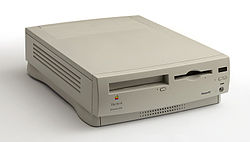

With a strong education market share throughout the 1980s, Apple wanted to push its computers into the home, with the idea that a child would experience the same Macintosh computer both in the home and at school, and later grow to use Macintosh computers at work. In the early 1990s, Apple sold computers through a chain of authorized resellers, and through mail order catalogs such as those found in the latter third of MacWorld Magazine. A typical reseller sold Macintosh computers to professionals, who purchased high-level applications and required performance and expansion capabilities. Consumers, however, purchased computers based on the best value, and weren't as concerned about expansion or performance. To reach these customers, Apple wanted to sell their computers through department store chains (such as Sears), but this would conflict with existing authorized reseller agreements, in which a geographic area had only one reseller.
To prevent these conflicts, Apple split the Macintosh line into professional and consumer models. The professional line included the Classic, LC, Centris, Quadra, and Power Macintosh lines, and continued to be sold as-is (i.e., no consumer software bundles or limited features). The consumer line was given the name "Performa", and included computers similar to the professional line. Early Performa models were not sold with the "Macintosh" brand in order to get around the authorized reseller agreements.
The Performa line was marketed differently from the professional line. To satisfy consumer-level budgets, the computers were sold bundled with home and small business applications. Most models were also bundled with a keyboard, mouse, an external modem and either a dot-29 or dot-39 pitch shadow mask CRT monitor. Professional models, in contrast, were sold à la carte with keyboard and mouse bundles chosen by the dealer or sold separately. Monitors sold with high-end Macintosh models typically used Trinitron tubes based on aperture grille technology.
While the Performa models resembled their professional counterpart on the system software and hardware level, certain features were tweaked or removed. The Performa 600, for instance, lacked the level-2 cache of the Macintosh IIvx it was based on.
Unlike the professional Macintosh lines, each individual Performa bundle was given a unique model number, in some cases varying only by the software bundle or the specific retailer that sold that model. This was intended to accommodate retailers, who could advertise that they could beat their competitors' price on equivalent models while at the same time ensuring that they did not actually carry the same models as their competitors. To help consumers choose between the options available to them, Apple created multiple paid advertisements including "The Martinettis Bring Home a Computer", a thirty-minute "storymercial" about a fictional family that purchases a Performa computer that aired in December 1994.
Apple's strategy for selling Performa machines in department and electronics retail stores did not include the sort of specialized training Apple offered to its dealers. This resulted in situations where Performa display models were often poorly taken care of; the demo computers crashed, the self-running demo software not running or the display models not even powered on.[failed verification] Apple tried to address the training issue by hiring their own sales people to aid the store sales staff, most of them recruited from Macintosh user groups. Despite this, however, many returned Performa computers could not be serviced properly because the stores were not authorized Apple service centers.
The problem was compounded by retailers favoring Microsoft Windows, especially after the introduction of Windows 95. Computers running Windows were generally cheaper, and encouraged by manufacturer spiffs, advertising co-ops, and other promotion programs. In addition, many stores preferred to sell their own branded white box PCs, something Apple would not allow.
As a consequence of these issues, Apple overestimated demand for Performa machines in 1995 while also underestimating demand for high-end Power Macintosh models, leading to significant oversupply issues. Introduction of new Performa models slowed as a result: whereas Apple had introduced 20 different Performa models around the world from May to December 1995, the number dropped to four in the first seven months of 1996.
For the late-1996 holiday period, sales of Performa-branded machines had dropped year-over-year by 15 percent, reflective of a company-wide drop in fourth-quarter revenues by one-third compared with 1995.
In February 1997, just days after Steve Jobs returned to the company, Apple refreshed its entire line of desktop computers, retiring a dozen Performa models based on the Power Macintosh 6200 and 6400 with no replacement, and reducing the range of Power Macintosh to six computers (plus a few Apple Workgroup Server variants). The official end of the Performa brand was announced on March 15 as part of sweeping changes at the company that included layoffs of a third of the company's workforce and the cancellation of several software products. By early 1998, Apple's lineup was reduced to four computers: One desktop, one all-in-one, and two minitowers (one of which was sold as a server product). As part of the restructuring of how Apple sold its computers in retail channels, it partnered with CompUSA to implement a "Store within a store" concept. Apple and related products were displayed and sold in a physically separate location by specialized employees (currently done at select Best Buy stores).
Performa-specific software
The Performa versions of the Macintosh System software introduced some features that were not available on non-Performa Macintoshes. The most notable of these are At Ease (parental controls), the Launcher (an application launcher similar to the macOS Dock), and the Performa Control Panel, which included several unique configuration options. The functionality of all three components were eventually folded into the operating system itself. Versions of System 7 with the additional software had a 'P' appended to the end, such as 7.1.2P which was included with the Performa 630 in mid-1994.
Software bundles usually included ClarisWorks, Quicken, a calendar/contact manager such as Touchbase and Datebook Pro, America Online, eWorld, educational software such as The American Heritage Dictionary, The New Grolier Multimedia Encyclopedia, The TIME Almanac (on models equipped with a CD-ROM drive), Mavis Beacon Teaches Typing, or Mario Teaches Typing, and a selection of games such as Spectre Challenger, Diamonds, Lemmings, and Monopoly. Another software package that only the Performa was equipped with was called MegaPhone, a screen-based telephony (SBT) application developed by Cypress Research.
Timeline
| Timeline of Macintosh Centris, LC, Performa, and Quadra models, colored by CPU type vte |
|---|
List of Performa models
Blanks indicate missing data. sm According to Apple, all of these models are obsolete.
Source: .
| Performa system | Equivalent Macintosh system | Notes | Configuration (standard) | Timetable | |||||||
|---|---|---|---|---|---|---|---|---|---|---|---|
| CPU | Clock speed | RAM | HD | VRAM | Monitor | CD | Introduced | Discontinued | |||
| Performa 200 | Classic II | Classic II rebranded when later reintroduced | 68030 | 16MHz | 2MB | 40MB | N/A | Video Memory built-in CRT | No | September 14, 1992 | October 18, 1993 |
| Performa 250 | Color Classic | Color Classic sold in UK and Australia | 4MB | 256KB | February 1, 1993 | May 16, 1995 | |||||
| Performa 275 | Color Classic II | Color Classic II sold in South Korea and Japan | 33MHz | 80MB | October 1, 1993 | November 1, 1995 | |||||
| Performa 400 | LC II | LC II consumer variation | 16MHz | 512KB | No | September 14, 1992 | October 18, 1993 | ||||
| Performa 405 | Performa 400 with monitor and less VRAM | 256KB | 14″ | April 12, 1993 | November 1, 1993 | ||||||
| Performa 410 | Performa 400 with monitor | 512KB | October 18, 1993 | ||||||||
| Performa 430 | Performa 400 with monitor and larger HD | 120MB | No | April 12, 1993 | |||||||
| Performa 450 | LC III | LC III with a larger HD | 25MHz | ||||||||
| Performa 460 | LC III+ | LC III+ consumer variant | 33MHz | 80MB | 512KB | October 18, 1993 | |||||
| Performa 466 | Performa 460 with 160MB HD | 160MB | |||||||||
| Performa 467 | Performa 466 with "business software" bundle | ||||||||||
| Performa 475 | LC 475 Quadra 605 | LC 475 / Quadra 605 consumer variant with monitor | 68LC040 | 25MHz | Bundled Apple Color Plus 14″ Display | April 1, 1996 | |||||
| Performa 476 | Performa 475 with larger HD | 230MB | |||||||||
| Performa 520 | LC 520 | LC 520 consumer variant | 68030 | 80-160MB | 512KB | Integrated 14″ color display | Caddy-loaded CD-ROM | June 28, 1993 | February 2, 1994 | ||
| Performa 550 | LC 550 | LC 550 consumer variant | 33MHz | 5MB | 160MB | 768KB | Bare tray-loading 2x CD-ROM that did not require a caddy | October 18, 1993 | March 23, 1995 | ||
| Performa 560 Money Edition | Performa 550 with business software | January 1, 1994 | March 23, 1995 | ||||||||
| Performa 575 | LC 575 | LC 575 consumer variant | 68LC040 | 66MHz | 250MB | 1MB | April 26, 1994 | April 1, 1996 | |||
| Performa 577 | Performa 575 with larger HD | 320MB | February 1, 1994 | April 1, 1996 | |||||||
| Performa 578 | Performa 575 with more RAM | 8MB | |||||||||
| Performa 580CD | LC 580 | LC 580 sold in Canada, Asia, Australia and New Zealand | 500MB | 2x CD-ROM | May 1, 1995 | May 1, 1996 | |||||
| Performa 588CD | Performa 580CD sold in Asia and Europe | 500MB | April 13, 1995 | May 1, 1996 | |||||||
| Performa 600 | Macintosh IIvi/Macintosh IIvx | Macintosh IIvi sold in U.S. (unlike Macintosh IIvi) | 68030 | 33MHz | 4MB | 160MB | 512KB | No | No | September 14, 1992 | October 18, 1993 |
| Performa 600CD | Performa 600 with CD Drive | 2x CD-ROM | |||||||||
| Performa 630 | LC 630, Quadra 630 | LC/Quadra 630 consumer variant | 68LC040 | 250MB | 1MB | No | No | July 1, 1994 | July 1, 1995 | ||
| Performa 630CD | Performa 630 with CD Drive | 2x CD-ROM | October 18, 1993 | ||||||||
| Performa 630CD DOS Compatible | Performa 630CD with a second RAM slot, and a DOS emulation card in the Processor Direct Slot. | 250MB | No | 2x CD-ROM | July 18, 1994 | July 1, 1995 | |||||
| Performa 631CD | Performa 630CD with second RAM slot, 8MB RAM standard, 500MB HD, with monitor and modem | 8MB | 500MB | 15″ Apple color monitor | 2x CD-ROM | July 18, 1994 | July 1, 1995 | ||||
| Performa 635CD | Performa 630 with 5MB RAM, 2x CD-ROM, bundled Apple Multiple Scan 15 Display and modem | 5MB | 250MB | 15″ Apple color monitor | 2x CD-ROM | July 18, 1994 | July 1, 1995 | ||||
| Performa 636 | Performa 630 sold to higher-education market. | 8MB | 500MB | No | None | ||||||
| Performa 636CD | Performa 636 with CD-ROM sold to higher-education market. | No | 2x CD-ROM | ||||||||
| Performa 637CD | Performa 636CD with 350MB HD and a monitor | 350MB | 15″ Apple color monitor | 2x CD-ROM | |||||||
| Performa 638CD | Performa 636CD with 350MB HD and a TV/video in card | No | 2x CD-ROM | ||||||||
| Performa 640CD DOS Compatible | LC 630 DOS Compatible | Performa 631CD with monitor, modem, and the Performa 630CD DOS Compatible's 486 processor card | 500MB | 1MB | 15″ Apple color monitor | 2x CD-ROM | May 14, 1995 | February 1, 1996 | |||
| Performa 5200CD | Power Macintosh 5200 LC | Power Macintosh 5200 LC with 790MB or 1GB HD and either 2x or 4x CD-ROM. | PowerPC 603 | 75MHz | 8MB | 790MB | 1MB | 15″ shadow mask color monitor | 2x CD-ROM | May 1, 1995 | February 1, 1996 |
| 1GB | 4x CD-ROM | ||||||||||
| Performa 5210CD | Power Macintosh 5200 LC sold in Asia and Europe. | 500MB | July 1, 1996 | ||||||||
| Performa 5215CD | Performa 5200CD with a different software bundle. | 1GB | July 14, 1995 | ||||||||
| Performa 5220CD | Performa 5215CD with 500MB HD, sold in Asia and Europe. | 500MB | |||||||||
| Performa 5260CD | Power Macintosh 5260 | Power Macintosh 5260/100 consumer variant available with smaller 800MB HD | PowerPC 603e | 100MHz | 8MB, 16MB | 800MB, 1.2GB | 1MB | Integrated 14″ shadow mask color monitor | April 22, 1996 | February 1, 1997 | |
| Performa 5260/120 | Power Macintosh 5260/120 consumer variant sold in Canada and Australia. | 120MHz | 1.2GB | 8x CD-ROM | October 1, 1996 | ||||||
| Performa 5270CD | Performa 5260CD sold in Europe and Asia | 100MHz | 8MB | 4x CD-ROM | April 15, 1996 | ||||||
| Performa 5280/120 | Performa 5260/120 sold in Japan. | 120MHz | 8MB, 16MB | 8x CD-ROM | November 12, 1996 | June 1, 1997 | |||||
| Performa 5300CD | Power Macintosh 5300 LC | Power Macintosh 5300 LC consumer variant | 100MHz | Integrated 15″ shadow mask RGB | 4x CD-ROM | October 1, 1995 | May 1, 1996 | ||||
| Performa 5300CD DE | Performa 5300CD Special "Director's Edition" with additional software. | 120MHz | |||||||||
| Performa 5320CD | Performa 5300CD at 120MHz sold in Europe and Asia. | November 1, 1995 | August 1, 1996 | ||||||||
| Performa 5400CD | Power Macintosh 5400 | Power Macintosh 5400 consumer variant | PowerPC 603ev | 120MHz | 16MB | 1.6GB | 1MB | Integrated 15″ shadow mask RGB | 4x CD-ROM | April 22, 1996 | February 1, 1997 |
| Performa 5400/160 | Performa 5400 sold in Asia and Europe | 160MHz | 8x CD-ROM | August 1, 1996 | December 1, 1997 | ||||||
| Performa 5400/180 (DE) | Performa 5400 sold in Asia and Europe with black case. The "DE" (Director's Edition) sold in Australia with 24MB RAM, a built-in TV tuner with remote control, and a larger HD. | 180MHz | 24MB | 2.4GB | June 1, 1997 | ||||||
| Performa 5410CD | Performa 5400 without ethernet | 120MHz | 16MB | 1.6GB | 4x CD-ROM | April 22, 1996 | February 1, 1997 | ||||
| Performa 5420CD | Performa 5410CD in a black case sold in Europe and Asia | March 1, 1997 | |||||||||
| Performa 5430 | Performa 5400/160 with 24MB RAM sold in Asia and Europe | 160MHz | 24MB | 8x CD-ROM | November 12, 1996 | December 1, 1997 | |||||
| Performa 5440 | Performa 5400/160 with 24MB RAM sold in Asia and Europe | 180MHz | September 1, 1997 | ||||||||
| Performa 6110CD | Power Macintosh 6100/60 | Power Macintosh 6100/60 with business software bundle | PowerPC 601 | 60MHz | 8MB | 250MB | 640KB | Bundled Apple Multiple Scan 15 Display | 2x CD-ROM | November 1, 1994 | July 1, 1995 |
| Performa 6112CD | Power Macintosh 6100/60 with kids' software bundle | ||||||||||
| Performa 6115CD | Performa 6110CD with larger HD | 350MB | |||||||||
| Performa 6116CD | Performa 6110CD with System 7.5.1 and 350MB HD | July 17, 1995 | April 1, 1996 | ||||||||
| Performa 6117CD | Performa 6115CD with business software bundle | November 1, 1994 | July 1, 1995 | ||||||||
| Performa 6118CD | Performa 6110CD with larger HD and both business and kids' software bundles | 500MB | |||||||||
| Performa 6200CD | Power Macintosh 6200 | Power Macintosh 6200 with 14.4k modem, monitor, and software | PowerPC 603 | 75MHz | 8MB | 1GB | Bundled Apple Multiple Scan 15 Display | 4x CD-ROM | July 11, 1995 | April 1, 1996 | |
| Performa 6205CD | Performa 6200CD with 28.8k modem | August 28, 1995 | July 1, 1996 | ||||||||
| Performa 6210CD | Performa 6205CD with a different software bundle. | ||||||||||
| Performa 6214CD | Performa 6200CD with "college student" software bundle. | ||||||||||
| Performa 6216CD | Performa 6200CD without the monitor. | No | July 11, 1995 | April 1, 1996 | |||||||
| Performa 6218CD | Performa 6200CD with more RAM | 16MB | Bundled Apple Multiple Scan 15 Display | ||||||||
| Performa 6220CD | Performa 6218CD without the monitor, but with a TV / video in/out card. | TV card but no monitor | |||||||||
| Performa 6230CD | Performa 6220CD with a hardware MPEG decoder card. | TV/MPEG card but no monitor | |||||||||
| Performa 6260CD | Performa 6290CD with larger 800MB HD. Sold in Europe and Asia. | PowerPC 603e | 100MHz | 8MB | 800MB | No | June 19, 1996 | December 1, 1996 | |||
| Performa 6290CD | Power Macintosh 6200 with 100MHz 603e processor and 1.2GB HD. Sold in North America. | 1.2GB | No | January 27, 1996 | August 1, 1996 | ||||||
| Performa 6300CD | Performa 6290CD with more RAM and a monitor. Sold in North America | 16MB | October 1, 1996 | ||||||||
| Performa 6310CD | Performa 6300CD sold in Asia and Europe | 1MB | |||||||||
| Performa 6320CD | Performa 6290CD at 120MHz with monitor and TV/video card | 120MHz | April 22, 1996 | September 1, 1996 | |||||||
| Performa 6360 | Power Macintosh 6300/160 | Power Macintosh 6300/160 sold in North and South America | PowerPC 603ev | 160MHz | October 17, 1996 | October 1, 1997 | |||||
| Performa 6400/180 | Power Macintosh 6400 | Power Macintosh 6400 at 180MHz sold in North America | 180MHz | 1.6GB | August 7, 1996 | August 1, 1997 | |||||
| Performa 6400/200 | Performa 6400 at 200MHz sold in North America | 200MHz | 1MB | No | 8x CD-ROM | May 1, 1997 | |||||
| Performa 6400/200 Video Editing Edition | Performa 6400/200 with more RAM, Avid Cinema card, and software | August 1, 1997 | |||||||||
| Performa 6410 | Performa 6400 sold in Europe and Asia | 180MHz | 2.4GB | November 12, 1996 | October 1, 1997 | ||||||
| Performa 6420 | Performa 6400/200 sold in Europe and Asia | 200MHz | August 1, 1997 |